
Article Summary:
Cotton is one of the most common natural fibers in the global textile industry; however, the term “cotton knit” is used instead of a fabric’s composition, which is typically made from cotton fibers.
Based on Textiles: Fiber to fabric by Bernard P. Corbman and Understanding Textiles by Tortora & Collier, the primary differences experienced by consumers and manufacturers regarding fabric performance, such as stretch, breathability, durability, and comfort, are primarily caused by the fabric’s construction (woven or knitted) rather than by the fiber type alone.
This article discusses the differences between cotton and cotton knit fabric in depth, clarifying the confusion between the two, contrasting the properties of the fabric, the applications that it serves, the manufacturing processes that are involved, and helps consumers, designers, and sourcing professionals by providing information.
Introduction: Why the Cotton vs. Cotton Knit Question Matters
Initially, the query “What is the distinction between cotton and cotton fabric?” may appear straightforward. However, it demonstrates one of the most common misconceptions in the textile industry, apparel manufacturing, and consumer education.
Cotton is a type of fabric. Cotton fabric is a type of fabric that is constructed with cotton. Distinguishing these two ideas can lead to misconceptions about the selection of material, quality issues, and misaligned expectations regarding performance, especially in apparel, home textiles, and functional wear.
How does cotton knit differ from regular cotton fabric?
Whether cotton knit is better for comfort or durability
Which material suits specific applications, such as T-shirts, sweaters, or underwear
This article addresses those needs in depth, using industry-standard terminology and technical clarity.
What Is Cotton? Fiber-Level Definition
Cotton is a naturally occurring cellulose fiber that is harvested from the cotton plant (Gossypium species). It’s considered a seed fiber, which means it proliferates around the seed’s location.
The distinguishing features of cotton fibers are listed below.
Good breathability
Effective water management
Warmth of the hand
Allergy-resistant properties
Moderate tensile strength
Low natural resilience
Cotton fibers are organized into bundles, which are then converted into fabric through the weaving, knitting, or nonwoven methods.
Crucially, cotton alone cannot describe the behavior of a fabric: the method of construction is responsible for that.
What Is Cotton Knit? Structure-Level Definition
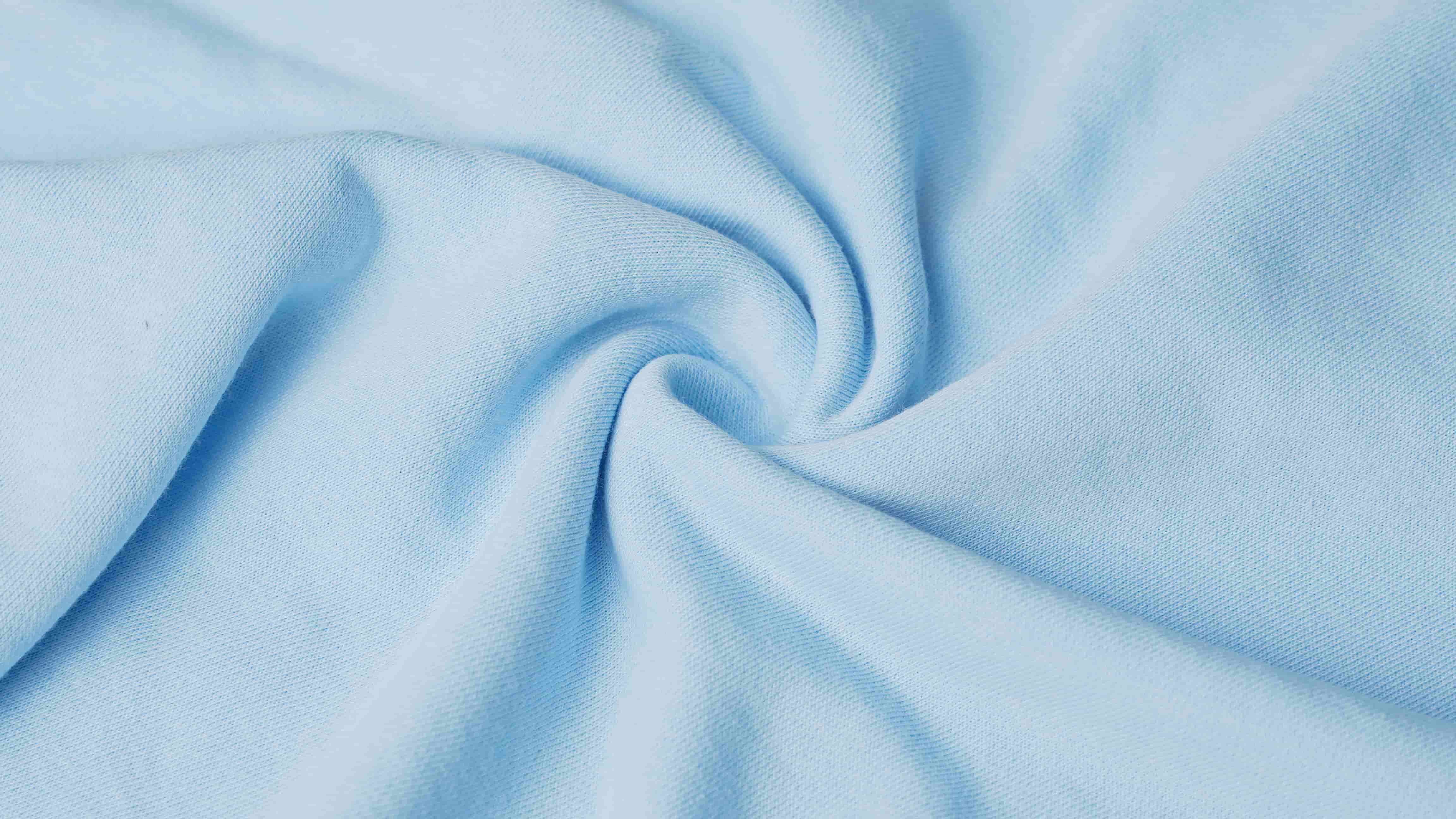
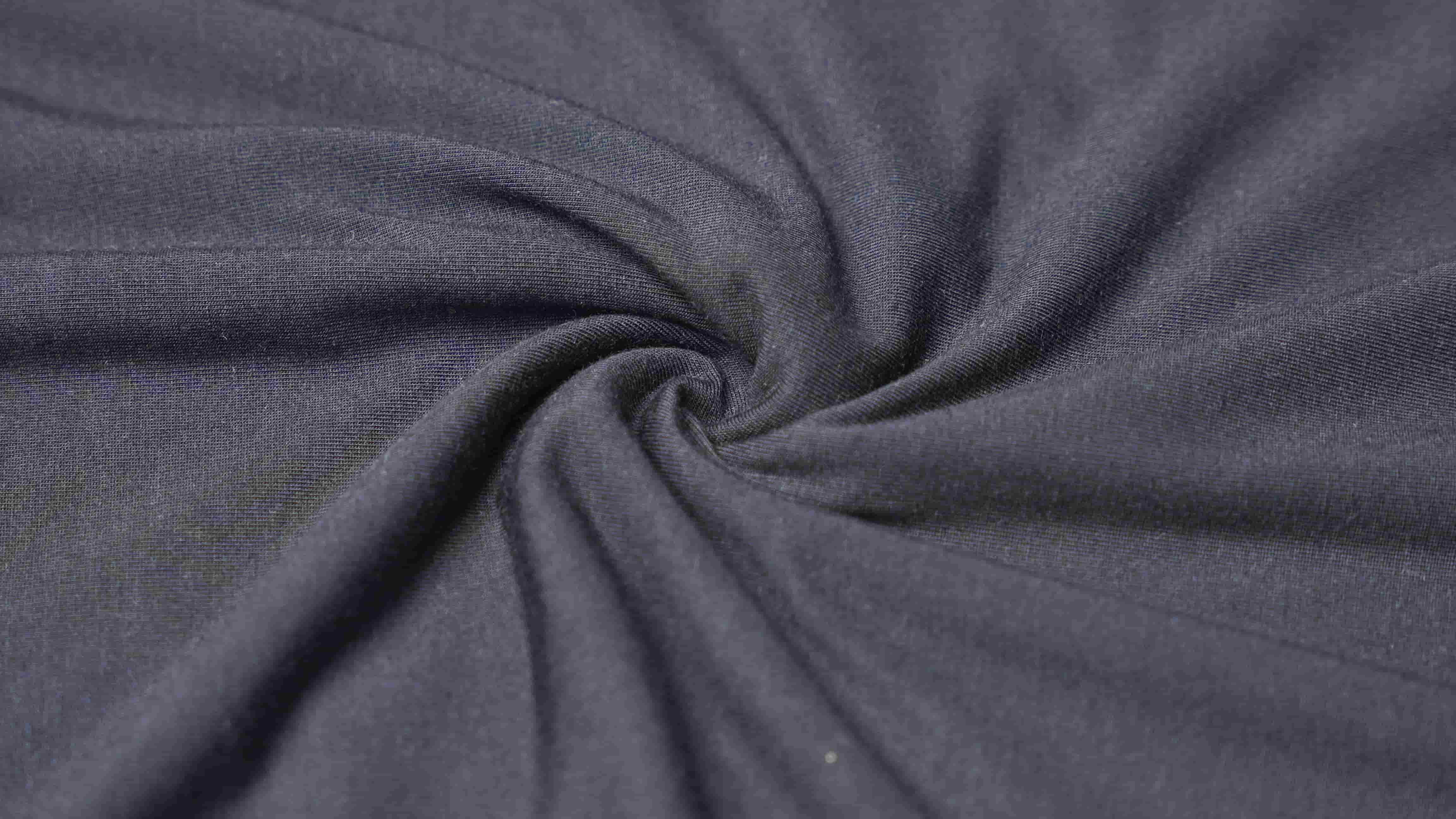
Cotton knit is a fabric type that is primarily composed of cotton fibers. The primary component is the knitted design, not the fiber itself.
Forming fabric by creating loops that intersect perpendicular to the direction of the fabric’s design, instead of the traditional method of fabric design, which involves intersecting lines.
Common cotton fabric types include:
- Jersey stitch
- Ribbon
- Overlapping knit
- Piqué stitch
Each type of knit alters the performance, but all have a loop-based sensitivity.
Cotton vs. Cotton Knit: Core Conceptual Difference
The primary difference is:
Cotton is the raw material for fabricating fabric.
Cotton woven = completed fabric composition
You can possess:
Woven fabric composed of cotton (cotton poplin, cotton twill)
Knitted cotton fabric (cotton jersey, cotton rib)
As a result, cotton knit is not considered an alternative to cotton, but instead is part of the process of cotton transformation into fabric.
Fabric Construction: Woven Cotton vs. Cotton Knit
Fabric construction dramatically affects physical and functional properties.
Woven Cotton Fabrics
Woven fabrics are produced by interlacing warp and weft yarns at right angles.
Examples:
- Cotton poplin
- Cotton denim
- Cotton canvas
Characteristics:
- Minimal stretch
- High-dimensional stability
- Crisp appearance
- Higher abrasion resistance
Cotton Knit Fabrics
Knitted fabrics are produced by forming loops of yarn.
Examples:
- Cotton jersey
- Cotton rib
- Cotton interlock
Characteristics:
- Natural stretch
- Softer drape
- Better comfort against the skin
- More prone to distortion if not stabilized
Key Property Comparison: Cotton vs. Cotton Knit
| Property | Woven Cotton Fabric | Cotton Knit Fabric |
| Stretch | Very low | High (especially crosswise) |
| Breathability | Good | Excellent |
| Softness | Moderate | High |
| Wrinkle Resistance | Lower | Higher |
| Dimensional Stability | High | Moderate |
| Comfort | Structured | Relaxed |
| Typical Use | Shirts, pants, home textiles | T-shirts, underwear, sweaters |
Comfort and Wearability Differences
- Cotton Beseech
Cotton fabric with a knit design is produced through the interlacing of yarns, which causes the fabric to have stretch and flexibility. This design allows the fabric to follow the body, which enables a softer feel and increased comfort when wearing long clothing. Knit cotton is particularly suited for garments that are near the skin, such as T-shirts, underwear, and loungewear.
- Cotton (Weaving)
Woven cotton fabric is created by intersecting the yarns at right angles, which results in a more consistent and structured material. While still acceptable, woven cotton is firmer and has less flexibility; this is ideal for shirts, pants, and uniforms that require shape and structure.
Breathability and Moisture Management
- Cotton Beseech
The looped design of cotton fabric creates small air reservoirs that enhance the flow of air. This increases the breathability of the fabric and promotes the dissipation of body heat. Also, Knit cotton is efficient at absorbing moisture, making it suitable for use in warm or athletic conditions, although it may take a longer time to dry.
- Cotton (Weaving)
Woven cotton also has a beneficial breathability; this is especially true of lighter colors like poplin or voile. However, more compacted structures decrease the flow of air compared to bows. Moisture absorption is effective, but ventilation is primarily based on the fabric’s density and weave type.
Durability and Shape Retention
- Cotton Beseech
Knitted fabric is more susceptible to stretch and deformation over time, especially in stressful areas like the neckline and the cuff. Without a proper ending or fiber composition, cotton fabric may become distorted after multiple washes.
- Cotton (Weaving)
Woven cotton fabric has a superior capacity for stability in dimensions. They maintain their shape well, have a tendency to resist sagging, and generally have a longer lifespan. This causes them to be ideal for apparel that needs to have defined lines and a consistent size.
Manufacturing Process Differences
- Cotton fabric manufacturing
Cotton fabric made from circular or flat design knitting machines is produced. The procedure facilitates high efficiency and lacks wasteful or complex construction of garments. Also, knitting enables the fabric to stretch without the elastane, which diminishes the complexity of the material.
- Cotton fabric manufacturing
Woven cotton fabrics are complex, including the processes of spinning, weaving, and finishing. The procedure is typically more time-consuming and may necessitate additional processing stages, increasing the costs of labor and production, but it improves the precision and uniformity of the process.
Cost Implications
- Cotton Lace:
High production effectiveness, especially with regard to circular knitting, is beneficial for the mass production of basic styles. Reduces the amount of wasted material in the garment stage ( some styles can be completely waste-free). The unit cost of fabric may be lower, but it will need to be higher finished (to prevent deformation, shape).
- Cotton fabric:
More intricate weaving procedure, higher costs of energy consumption, and process development. Significant losses were cut somewhat. Stable finished product quality, decreasing the risk of after-sales, appropriate for middle to high-end or standard products.
Cost Summary: Knitted cotton has benefits in terms of production efficiency and flexibility; woven cotton has a more certain conclusion to its production and provides longer-term control over the cost.
Applications: When to Use Cotton vs. Cotton Knit
- Scenarios where Cotton Knit is preferred:
T-shirts, polo shirts, underwear, loungewear
Sportswear, close-fitting clothing
Products emphasizing comfort, elasticity, and skin-friendliness
- Scenarios where Cotton (Woven) is preferred:
Shirts, trousers, uniforms
Business or structured clothing
Designs requiring a clean cut and silhouette
Cotton Knit in the Apparel Industry
From an industry perspective, cotton knit dominates global apparel volume.
Reasons include:
High consumer comfort demand
Compatibility with stretch and athleisure trends
Efficient large-scale production
Major brands rely on cotton knit for consistent sizing and softness.
Cotton Knit vs. Cotton Woven in Sustainability
- Sustainability benefits of cotton fabric:
* Reduces waste through design that is minimally cut or seamless.
More effective at dealing with organic and secondhand cotton fabric.
Lightweight construction decreases the transportation carbon footprint.
- Sustainability benefits of cotton fabric:
* Increased lifespan, decreasing the frequency of replacement
Easy to convert and re-convert
* Is superior in models that focus on sustainability.
Sustainability is not entirely opposed to “knitted or woven,” but is instead based on the design’s lifespan, the usage scenario, and the production method.
Quality Indicators for Cotton Knit Fabrics
When judging the quality of cotton fabric, the following metrics should be considered:
Yarn quality: long-staple cotton, compact-spun yarn, and combed yarn
Grammeter stability (GSM): a low value causes deformation, a high value affects breathability.
Resilience and recovery rate: the fabric’s capacity to withstand washing and drying.
Pilling performance is closely related to the way the yarn is wound and the structure it possesses.
Establishing and regulating the setting: whether or not pre-shrinking and heat setting are sufficient
Common Misconceptions About Cotton Knit
❌ “Cotton fabric that is knitted is not long-lasting.”
Fact: High-quality cotton fabric, with appropriate design and care, is durable enough to fulfill everyday or business-related needs.
❌”Cotton’s knits will always deform.”
Fact: Most of the deformation is caused by a low weight, poor fabric quality, or incorrect washing and preservation, rather than the fabric’s knit structure.
❌ “Cotton’s knits are only appropriate for low-quality products.”
Fact: High-end T-shirts, casual wear designed by professionals, and functional knitwear all utilize high quality cotton fabric.
FAQ: Cotton Knit vs. Cotton
- Is cotton knit better than cotton?
Cotton knit is not better or worse—it is simply cotton made into a knit fabric, offering more stretch and comfort.
- Is cotton knit 100% cotton?
It can be, but cotton knit may also include elastane or polyester blends.
- Does cotton knit shrink easily?
Yes, if not pre-shrunk or properly finished, cotton knit can shrink more than woven cotton.
- Is cotton knit breathable?
Yes, cotton knit is generally more breathable due to its loop structure.
- What is cotton knit mainly used for?
Cotton knit is primarily used for T-shirts, underwear, casual wear, and soft apparel.
Conclusion: Understanding the Difference Clearly
The distinction between cotton and cotton fabric is not based on the raw material, but instead on the way it is converted into fabric. Cotton is a versatile natural fiber that can be used to create fabric that is both soft and stretchy. Additionally, it can be combined with other fibers to create fabric that is both comfortable and stretchy.
For professionals in industry, design, and consumers, understanding the distinction is crucial to selecting the appropriate material, improving the performance of products, and placing them in a successful position. As the popularity of comfort-driven apparel continues to increase in popularity, cotton fabric is still important in modern textiles, not because it is replacing cotton, but because it unlocks the potential of cotton.
