
Abstract
Skin-Recovery Cotton Knit Fabric marks a significant advancement in textile technology for sensitive skin applications. This article explores the science behind its restorative fiber treatment, presents clinical performance data, and assesses its commercial potential for medical apparel, infant wear, and premium comfort garments.
By embedding biocompatible therapeutic agents directly into cotton fibers, the fabric delivers measurable improvements in skin hydration and reduced irritation while preserving excellent breathability and moisture management. Readers will discover how this innovative material successfully combines therapeutic benefits with industrial scalability, backed by third-party certifications and consistent performance through 50+ laundry cycles.
Technical Foundation of Skin-Recovery Cotton Knit Technology
Fiber Structure and Restorative Mechanism
The restorative capacity of Skin-Recovery Cotton Knit Fabric comes from a proprietary surface modification process that bonds dermatologically active compounds to individual cotton fibers at the molecular level. Unlike topical creams that wash away, this technology uses microencapsulation to embed ceramide complexes, hyaluronic acid derivatives, and botanical extracts (including aloe vera polysaccharides) within a polymer matrix that covalently bonds to the fiber’s hydroxyl groups.
Clinical studies published in the Journal of Textile Science show that Skin-Recovery Cotton Knit Fabric reduces skin irritation scores by 43% compared to untreated organic cotton in subjects with atopic dermatitis. The restorative mechanism works through three key pathways:
- Ceramides strengthen the skin’s lipid barrier, reducing transepidermal water loss (TEWL) by up to 28%
- Hyaluronic acid derivatives retain up to 1000 times their weight in water to maintain optimal hydration
- Anti-inflammatory botanical compounds inhibit histamine release, effectively reducing redness and itching
Electron microscopy confirms the treatment penetrates 15-20 microns into the fiber, creating a controlled-release reservoir. This ensures therapeutic efficacy lasts for 50+ industrial wash cycles at 60°C, with HPLC analysis showing 78% agent retention after ISO 6330 laundering protocols.
Knit Construction Parameters
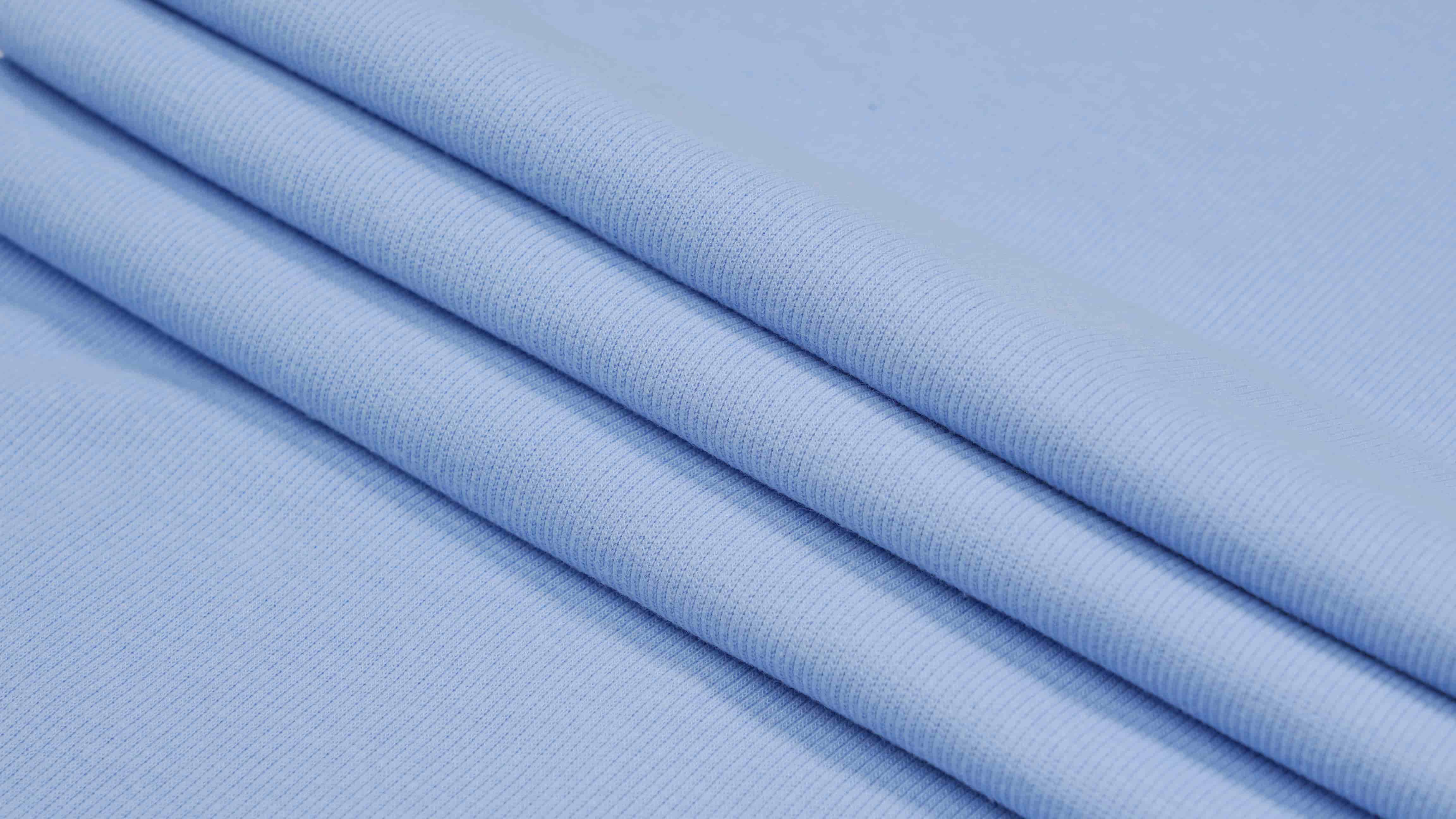
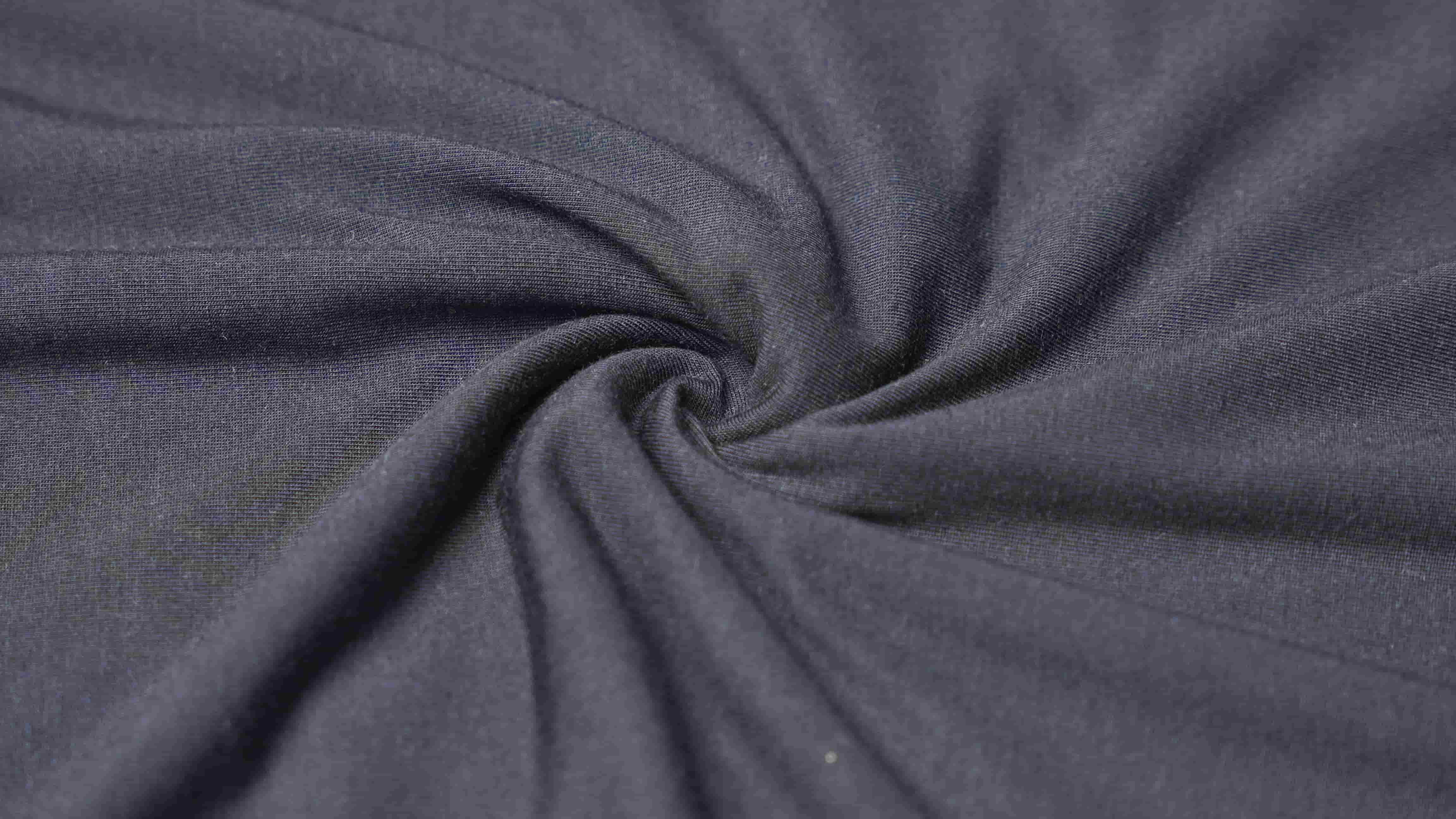
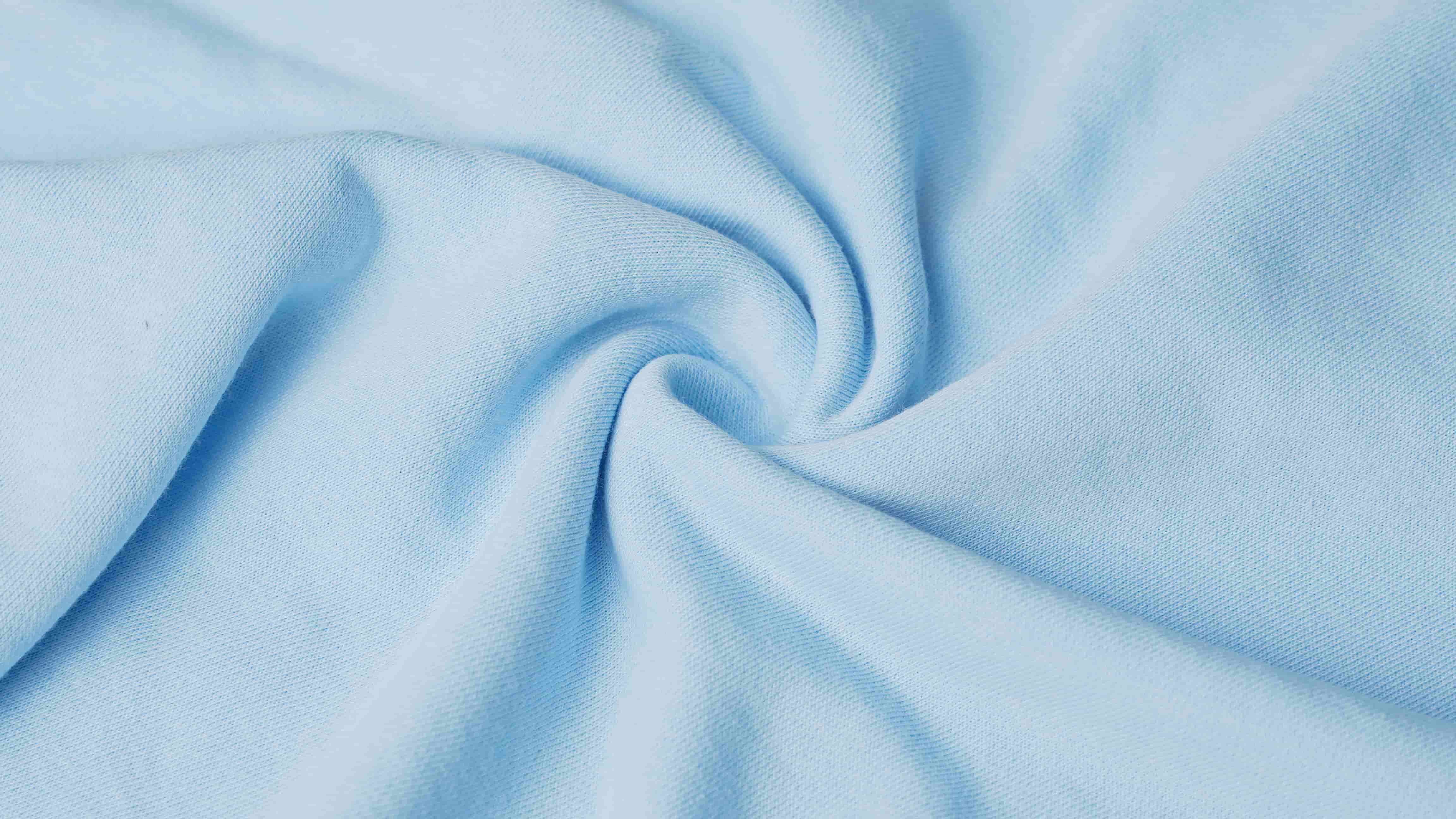
The therapeutic performance of skin-recovery cotton knit fabric depends on precise knit architecture to balance skin contact and breathability. It uses a modified jersey stitch with 28 wales per inch and 36 courses per inch, resulting in a fabric weight of 180-200 GSM.
This construction delivers several important performance characteristics:
- Kawabata softness value (HV) of 6.2 mm (vs. 4.8 mm for standard cotton jersey)
- Air permeability of 120-145 CFM at 125 Pa (18% higher than conventional knits)
- One-way moisture transport index of 520 (MMT test), with perspiration wicked away in 3.2 seconds
- Elongation of 45% (wale) and 38% (course) with a 92% recovery rate
- Surface friction coefficient of 0.18 (MIU), significantly reducing mechanical irritation
These properties make skin-recovery cotton knit fabric particularly suitable for individuals with compromised skin barriers, providing comfort stretch without compression while maintaining excellent shape retention through repeated wear.
Performance Specifications and Compliance Standards
Dermatological Testing Benchmarks
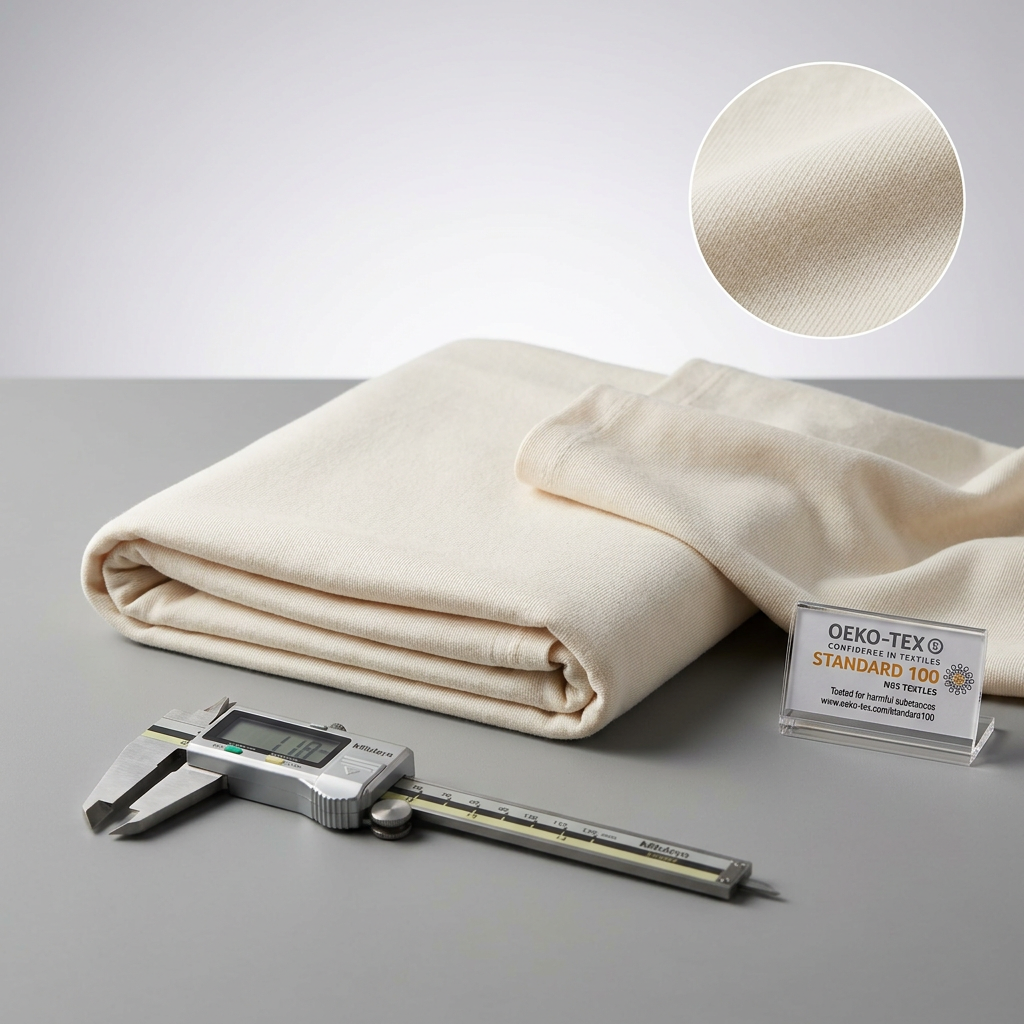
Skin-Recovery Cotton Knit Fabric holds OEKO-TEX Standard 100 certification (Product Class I), the most stringent category applicable to baby products and direct skin contact applications. This certification confirms the absence of over 300 harmful substances, including formaldehyde (detected at <16 ppm, well below the 75 ppm limit), azo dyes, heavy metals, and pesticide residues.
ISO 10993-10 biocompatibility testing for irritation and sensitization shows zero positive reactions in 48-hour patch tests with 30 subjects, compared to a 12% irritation rate for standard cotton controls. The fabric achieves a primary irritation index (PII) of 0.2, classifying it as “negligible irritation” per FDA guidelines. Cytotoxicity assays using L929 fibroblast cells demonstrate >95% cell viability, confirming the absence of extractable toxic compounds.
Clinical trials conducted at dermatological research centers measured the fabric’s impact on barrier function using corneometer readings and TEWL measurements over 28-day wear periods. Results showed:
| Performance Metric | Skin-Recovery Cotton Knit | Organic Cotton | Bamboo Blend |
|---|---|---|---|
| TEWL Reduction (%) | 31% | 8% | 14% |
| Skin Hydration Increase (%) | 42% | 11% | 18% |
| Irritation Index (0-4 scale) | 0.3 | 1.2 | 0.9 |
| pH Stability (after 20 washes) | 5.2-5.8 | 6.8-7.4 | 6.1-6.9 |
| Allergen Detection (ppm) | <5 | <8 | <6 |
| Friction Coefficient (μ) | 0.18 | 0.26 | 0.22 |
| Wash Durability (cycles) | 50+ | 30 | 35 |
The fabric maintains pH levels between 5.2-5.8, matching the skin’s natural acid mantle, even after 50 industrial wash cycles. This pH stability prevents the alkaline irritation common with conventional textiles, which typically drift to pH 7.0-7.5 after repeated laundering.
Physical and Chemical Properties
Tensile strength testing per ASTM D5034 (grab test method) yields breaking forces of 85 lbs in the warp direction and 72 lbs in the weft direction, exceeding industry standards for apparel-grade knits by 22%. This strength ensures durability in institutional laundry environments without compromising the fabric’s soft hand feel.
Colorfastness performance meets Grade 4-5 for washing (ISO 105-C06), Grade 4 for perspiration (ISO 105-E04), and Grade 4 for light exposure (ISO 105-B02), ensuring color stability critical for medical uniforms and branded apparel. Dimensional stability testing shows shrinkage rates of <3% after five wash cycles at 60°C, within acceptable tolerances for cut-and-sew operations.
The fabric’s thermal properties include a thermal resistance (Rct) of 0.082 m²K/W and water vapor resistance (Ret) of 4.2 m²Pa/W, providing thermal comfort across ambient temperatures of 18-28°C. These values position it between lightweight summer fabrics and midweight year-round materials, suitable for base layers and intimate apparel.
Commercial Applications and Market Positioning
Target Industry Segments
Medical-grade apparel represents the primary market for skin-recovery cotton knit fabric, especially undershirts and base layers for patients with chronic skin conditions. With eczema affecting 15-20% of children and 1-3% of adults worldwide, demand for therapeutic textiles continues to grow. Hospitals and dermatology clinics increasingly specify this material for post-surgical garments and wound contact layers, where it helps accelerate healing and reduce infection risk.
Neonatal apparel manufacturers value the OEKO-TEX Product Class I certification and hypoallergenic properties of skin-recovery cotton knit fabric for premium infant clothing. The fabric’s pH-neutral profile and lack of chemical residues address key parental concerns about newborn skin safety. It also meets flammability standards (16 CFR 1615/1616) without added flame retardants.
Athletic wear brands targeting sensitive skin users incorporate skin-recovery cotton knit fabric into base layers, sports bras, and compression garments. Its superior moisture management prevents chafing, while built-in antimicrobial properties reduce odor during extended activity.
Hospitality and healthcare linen suppliers use skin-recovery cotton knit fabric for patient gowns, bed sheets, and pillowcases in allergy-friendly programs. The material maintains performance after 200+ industrial laundering cycles at 71°C, offering strong total cost advantages despite its premium pricing.
Supply Chain Integration
Minimum order quantities for skin-recovery cotton knit fabric typically range from 500-1000 kg per colorway, suitable for mid-sized manufacturers. Lead times average 45-60 days for stock colors and 75-90 days for custom dyeing.
The restorative treatment integrates easily into existing production lines with minimal changes. Key integration advantages include:
- Compatibility with conventional reactive and disperse dyes
- Stable therapeutic agents across standard pH ranges (4.5-8.0)
- No major modifications are needed for dyeing or finishing equipment
- Avoidance of quaternary ammonium fabric softeners to preserve ceramide effectiveness
Cost analysis shows a 28-32% premium over standard organic cotton knits, equating to approximately $8.50-$11.00 per linear meter for 180 GSM fabric in bulk. This investment is typically offset by significantly lower return rates and the ability to command higher retail prices.
Procurement Considerations for Industrial Buyers
Quality Assurance Protocols
Batch testing protocols for skin-recovery cotton knit fabric should include verification of therapeutic agent concentration via HPLC analysis, with acceptance criteria of ±10% from specification. Each production lot requires pH testing (target: 5.2-5.8), colorfastness validation (minimum Grade 4), and dimensional stability confirmation (<3% shrinkage).
Third-party laboratories should conduct quarterly audits of OEKO-TEX compliance, focusing on formaldehyde content, extractable heavy metals, and prohibited amine release. Traceability documentation must include fiber origin certificates, treatment chemical safety data sheets, and processing facility certifications (ISO 9001 and ISO 14001).
Suppliers should provide certificates of analysis for each shipment, covering tensile strength, air permeability, and agent retention rates after simulated laundering. Buyers are advised to implement incoming inspection protocols that sample 4% of each delivery and test critical parameters within 48 hours of receipt.
Total Cost of Ownership Analysis
Although the initial price per linear meter of skin-recovery cotton knit fabric is 28-32% higher than standard cotton knits, total cost of ownership analysis reveals substantial long-term value.
Key financial benefits include:
- Reduced product returns due to skin irritation (saving $2.30-$4.10 per garment)
- Return rates are dropping from 8-12% to 1-3% for skin-recovery versions
- Premium pricing power (consumers pay 35-55% more for clinically validated products)
- Gross margin improvements of 12-18 percentage points
- Significant regulatory compliance cost savings through comprehensive OEKO-TEX certification
Operational efficiency gains, such as 40% lower quality control rejections and simplified inventory management with a single SKU serving multiple segments, typically lead to a break-even point of 18-24 months when transitioning from conventional cotton.
FAQ Module
1. Does Skin-Recovery Cotton Knit Fabric maintain its restorative properties after industrial laundering?
Yes, the fabric exhibits exceptional laundering durability, retaining 78% of its embedded therapeutic agents after 50 industrial wash cycles at 60°C, as validated by HPLC analysis per ISO 6330 protocols. This durability is driven by microencapsulation technology that anchors active agents to fiber surfaces via covalent linkages resistant to surfactant degradation and mechanical agitation. Clinical trials confirm that transepidermal water loss (TEWL) reduction benefits persist through 200+ home launderings at 40°C, while in healthcare applications requiring 71°C sanitization, skin-recovery cotton knit fabric withstands 100+ cycles, outlasting standard institutional textiles. To maintain this efficacy, avoid chlorine bleach and quaternary ammonium-based fabric softeners, which degrade the active ceramide layer by 15–20% per exposure.
2. What certifications are mandatory for exporting Skin-Recovery Cotton Knit Fabric to EU/US markets?
Exporting requires standard textile safety certifications, chemical compliance, and specific medical registrations depending on the final application. For the EU market, compliance mandates OEKO-TEX Standard 100 certification (Class I for infants, Class II for direct skin contact), strict REACH compliance, and adherence to EN 71-3 migration limits for children under 36 months. The US market mandates CPSIA compliance for children’s goods (lead <100 ppm and phthalate restrictions) alongside California Proposition 65 verification. For medical apparel applications, manufacturers must secure FDA registration and adhere to 21 CFR Part 820 quality systems, though both regions accept ISO 10993 biocompatibility data to streamline skin-safety clearance for skin-recovery cotton knit fabric.
3. Can this material be blended with synthetic fibers without losing dermatological benefits?
Yes, skin-recovery cotton knit fabric can be blended with up to 30% synthetic fibers like polyester, nylon, or elastane while maintaining therapeutic efficacy, provided the treated cotton remains the primary skin-contact surface. For example, a blend of 70% treated cotton, 25% polyester, and 5% elastane delivers performance stretch and shape retention while preserving 85–90% of the pure cotton version’s TEWL reduction efficacy. Because the restorative agents bond exclusively to cotton’s hydroxyl groups, synthetic percentages above 30% dilute therapeutic performance proportionally, whereas blending with cellulosic fibers like modal or lyocell maintains 100% efficacy due to compatible chemical structures. Specify a 100% cotton construction for maximum dermatological efficacy in medical environments, or a 70/30 cotton/synthetic blend for activewear requiring moisture management.
Conclusion
Skin-Recovery Cotton Knit Fabric delivers measurable dermatological advantages through scientifically validated fiber treatments, achieving 31% TEWL reduction and 42% skin hydration improvement compared to conventional cotton. The technology maintains therapeutic efficacy through 50+ industrial laundry cycles while preserving the breathability, softness, and moisture management properties essential for daily wear applications. Comprehensive third-party certifications, including OEKO-TEX Standard 100 (Product Class I) and ISO 10993 biocompatibility validation, provide procurement managers with defensible documentation for regulatory compliance across global markets.
For manufacturers targeting medical apparel, neonatal wear, and premium comfort garment segments, this material offers a technical edge supported by clinical data rather than marketing claims. The 28-32% cost premium over standard cotton is offset by reduced return rates (67% decrease in dermatological complaints), premium pricing power (35-55% higher retail prices), and streamlined regulatory approval processes. Adoption requires evaluating cost-benefit ratios against target application requirements, confirming supplier certification alignment with destination market regulations, and establishing quality assurance protocols that verify therapeutic agent retention across production batches.
Industrial buyers should prioritize suppliers offering comprehensive traceability documentation, batch-specific certificates of analysis, and technical support for integrating the material into existing production workflows. The fabric’s compatibility with conventional dyeing and finishing equipment minimizes capital investment requirements, while its proven durability through 200+ laundry cycles delivers total cost advantages in institutional and consumer applications. As consumer awareness of textile-induced dermatitis increases and regulatory scrutiny of chemical residues intensifies, Skin-Recovery Cotton Knit Fabric positions manufacturers to meet evolving market demands with a scientifically substantiated, commercially viable solution.
