
Article Summary:
The milk-soft antibacterial knit fabric is a new type of fabric that is derived from milk protein fibers, primarily casein, and is processed into yarn and then fabricated.
This new material combines the natural properties of antibiosis, sustainability, softness, and performance that is skin-friendly. According to studies involving research and industry sources on the production of milk fibers and their properties, milk proteins can be rederived into fibers that have natural anti-inflammatory and moisture-regulating properties. These properties make the resulting fabric suitable for clothing and other technical applications that require sensitive skin.
Modern casein fiber production, such asQMILK, employs environmentally friendly processes that convert waste milk into fabric with enhanced attributes and a lower environmental impact. This article describes the entire industry-versatile nature of milk-soft antibacterial knit fabric. The fabric’s composition, manufacturing process, performance characteristics, and uses are detailed in it.
Introduction: Why Milk-Soft Antibacterial Knit Fabric Is Gaining Attention
In the constant pursuit of sustainable and effective materials in the textile industry, milk-soft antibacterial knit fabric has emerged as a powerful solution that combines comfort, antimicrobial properties, and environmental responsibility.
Inspired by the innovative utilization of milk proteins, specifically casein, this fabric is derived from a natural biomaterial that would otherwise be wasted. This material is converted into fibers that have a high value for clothing and home design.
Today, the fashion and performance fabric trends are increasingly concerned with skin comfort, odor control, and environmentally friendly materials, all of which are derived from milk fibers. From scientific literature to popularization, this fabric type is gaining interest for uses that range from base layers to activewear to sensitive-skin clothing and children’s apparel.
What Is Milk-Soft Antibacterial Knit Fabric?
Milk-soft antibacterial knit fabric is a fabric made from fibers that are primarily derived from milk protein, typically casein from milk, and which is processed into yarns that can be used to create fabric.
These fibers are often incorporated into jerseys, ribbons, interlaces, or other fabric constructions that produce a soft, elastic, and breathable textile.
The term “antibacterial” is derived from the smooth, luxurious feel of the fiber, which is often compared to silk or cashmere. The term “milk-soft” is derived from the inherent antibiotic properties of the protein fiber derived from milk.
Unlike synthetic fibers like polyester or acrylic, which require chemical treatments to have antibacterial properties, milk protein fibers can exhibit the natural behavior of antibiosis without additional treatments, due to their unique protein-based composition.
When combined into fabric, these fibers create a microstructure that contains natural micro-pores and hydrophilic properties that inhibit the growth of bacteria that cause odors and promote comfortable breathing.
How Is Milk-Soft Antibacterial Knit Fabric Made?
The creation of milk-soft antibacterial knit fabric begins with the extraction of casein proteins from milk; this is typically accomplished by sourcing from non-food-grade or surplus milk. The procedure is typically initiated by:
- Milk Collection and Separation: Raw milk is gathered and acidified, which causes casein proteins to cluster.
- Casein Recovery: The coagulated casein is rinsed, dehydrated, and ground into a powdered form.
- Protein dissolution: The casein is mixed with water and alkali to create a slushy mixture that is ideal for creating fibers.
- Fiber Spinning: The protein solution is expelled through the spinneret to produce a continuous string of fibers.
- Drawing and Finality: Filaments are pulled, dried, and converted into fabric.
- Knitting: The fabric is composed of protein-based fibers that are knitted into fabric structures (e.g., jersey, rib, and interlock).
Newer methods of production, such as those employed for the production of QMILK fibers, focus on sustainability, reducing the chemical utilization and decreasing water consumption in comparison to traditional casin production and several synthetic fiber productions.
Key Components of Milk-Soft Antibacterial Knit Fabric
- Casein protein fiber
The primary component of the fabric that is softened by milk is casein protein; this natural polymer is derived from milk. Casein has amino acids that inherently inhibit the growth of bacteria; this property contributes to the management of moisture and the improvement of the skin.
- Blended Fiber Optics (Recommended)
In many popular products, milk protein is mixed with other fibers, like this:
- Lycra or Spandex – to enhance stretch and regain
- Cotton – to improve the sustainability and effectiveness of cotton products
- Modal or Bamboo Viscose – to enhance softness and drape
These combinations can personalize the performance properties of specific applications like activewear, underwear, or sensitive-skin apparel.
Physical Properties and Textile Behavior
The milk-soft fabric with a bacterial effect exhibits a cluster of performance attributes that distinguish it from conventional fabric:
- Tasteable and Attractive
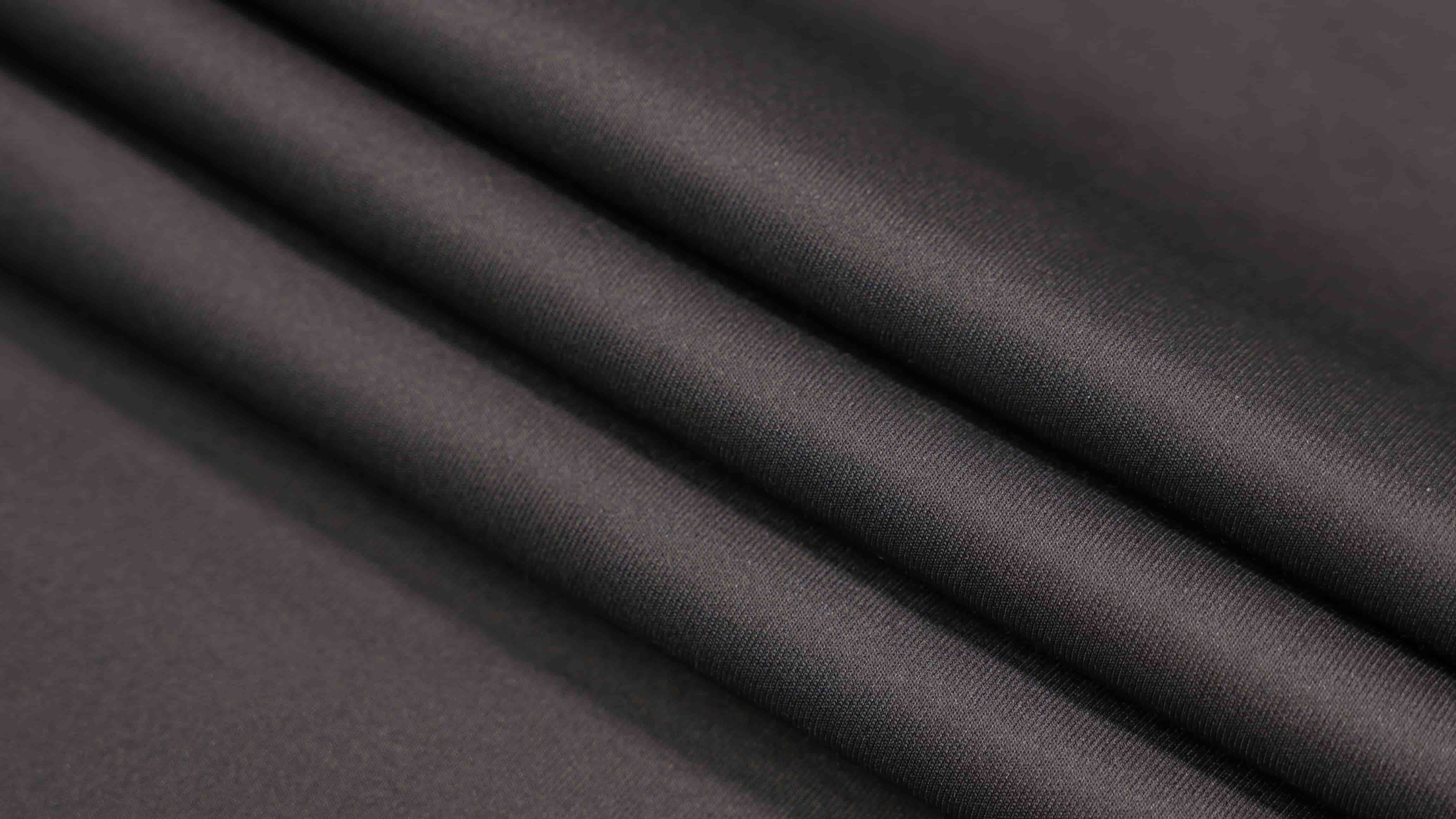
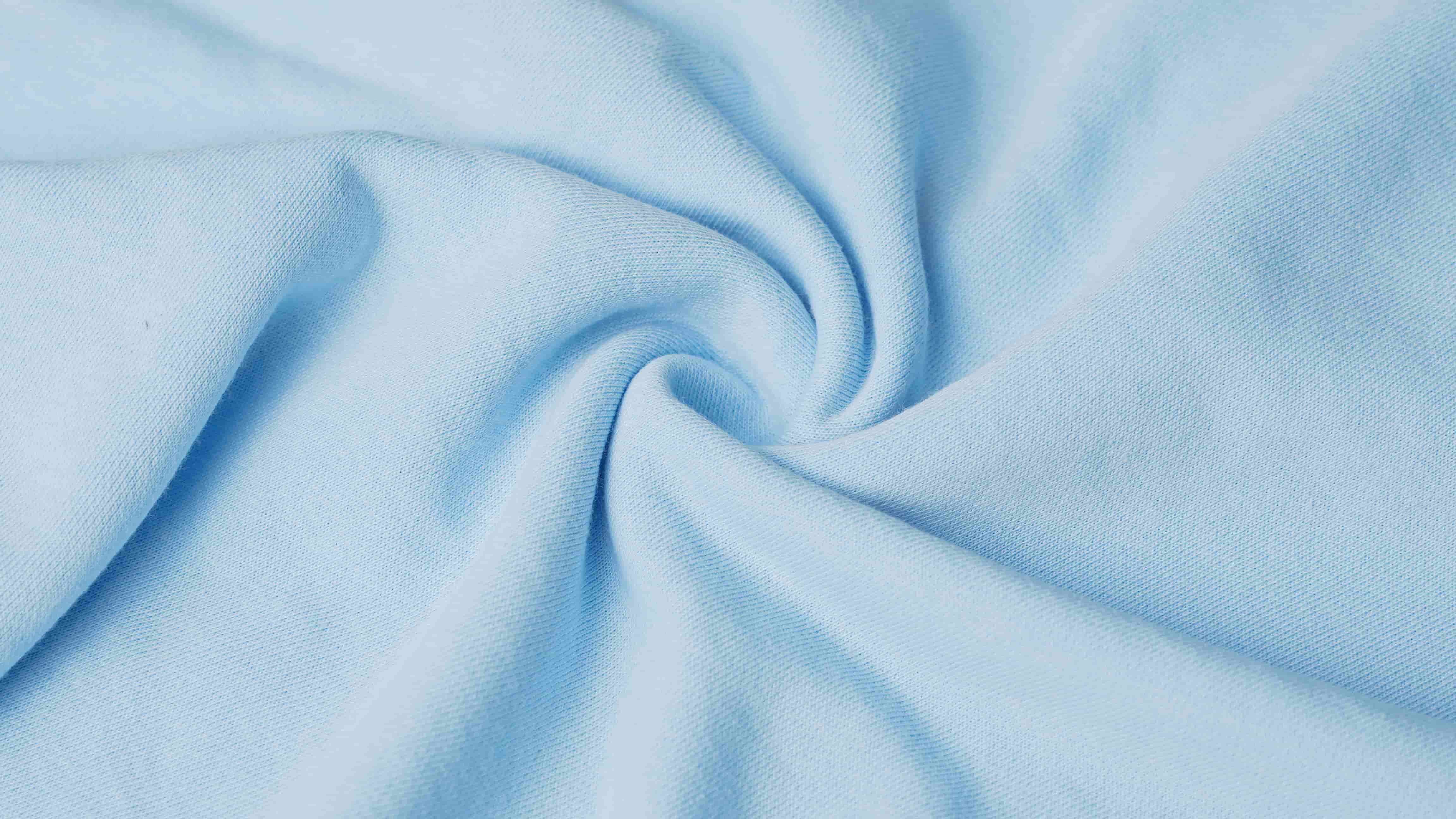
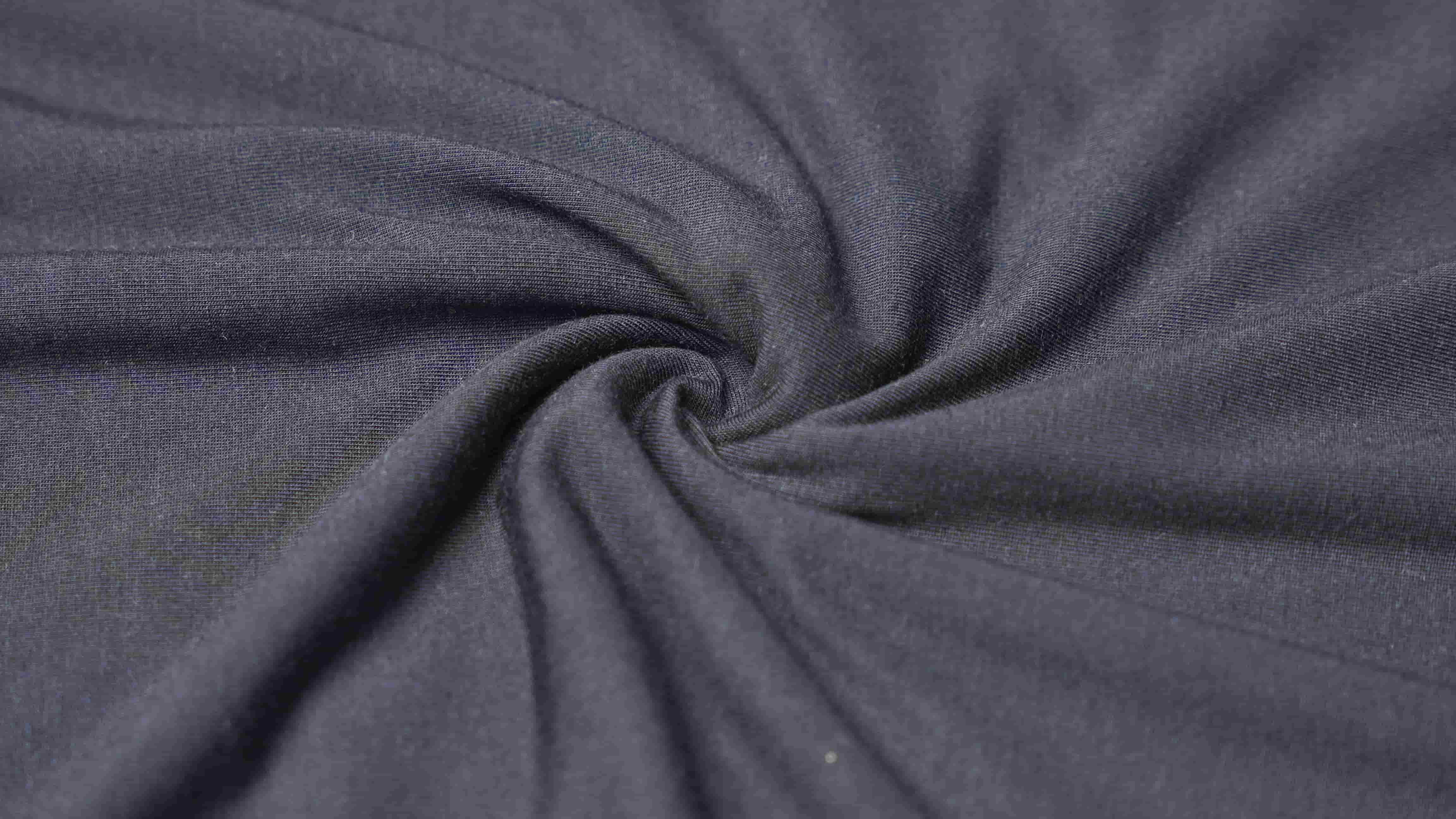
When combined, milk protein fibers produce a fabric that has a smooth, silky, and soft surface that feels comfortable to the skin. This is often compared to silk or fine cashmere.
- Antibacterial Performance
The molecular composition of casein fibers facilitates the resistance of these fibers to odors. This composition also has a measurable effect on the bacteria that cause odors; this property makes the fabric suitable for clothing that is near the body.
- Atmungsaktivität und Feuchtigkeitsregulierung
Because of their hydrophilic nature, protein-based fabric wicks are effective at moisture transfer; this attribute helps to maintain comfort when wearing the fabric.
- Temperature Regulation
The inborn properties of milk fibers facilitate thermal balancing, which maintains the wearer at a comfortable temperature range.
- Biocyclability and Stainability
Because the fibers are derived from natural protein sources and can be processed using environmentally friendly methods, the fabric resulting from this process often satisfies criteria for biodegradability and supports the circular flow of materials when produced with low-impact methods.
Common Knit Constructions and Their Uses
Milk-soft fabric with an antibacterial effect can be created in a variety of structures, each providing distinct mechanical and aesthetic properties:
- Jersey Mode
Lightweight and highly malleable
Wonderful drape and everyday ease
Perfect for shirts, pants, and sleepwear.
Jersey knit structures enhance the buttery softness of milk fibers while maximizing comfort in everyday garments.
- Schleife stricken
Increases compliance
Maintains its shape well
Perfect forackets, collars, and pre-fitted items
Ribs increase the recovery of fabric and the stability of dimensions.
- Verriegelung
Dense and wrinkled surface
Increased resistance
Adept at base layers and superior clothing
Interlocks have a combination of longevity and softness; they are therefore ideal for clothing that has a repeated wear cycle.
Comparative Table: Milk-Soft Antibacterial Knit vs Other Knit Fabrics
| Merkmal | Milchweiches antibakterielles Strickgewebe | Conventional Cotton Knit | Synthetic Antibacterial Knit |
| Softness | Very High | Mittel | Variable |
| Antibacterial Properties | Natural | None¹ | Dependent on treatment |
| Atmungsaktivität | Ausgezeichnet | Good | Moderate to Good |
| Moisture Management | Hoch | Mittel | Mittel |
| Biodegradability | Hoch | Hoch | Lower |
| Sustainability | High with the eco process | Hoch | Varies |
| Skin Sensitivity | Ausgezeichnet | Good | Varies |
Conventional cotton does not inherently have antibacterial properties without finishing.
Applications of Milk-Soft Antibacterial Knit Fabric
This fabric’s peculiar combination of softness, breathability, and the natural behavior of antibiosis makes it ideal for:
- Healthcare and Medical Textiles
Soft and anti-icrobial fabrics are beneficial in healthcare clothing for patients with delicate skin and healthcare professionals.
- Sports andactivewear
Adequate moisture management and odor control promote effective performance.
- Underwear and Base layers
The soft feel and anti-inflammatory properties are appropriate for close-contact clothing.
- Baby and Children’s Clothing
Hypoallergenic and soft attributes make it ideal for sensitive skin.
- High-end fashion and environmentally friendly collections
Designers who focus on environmental innovation typically incorporate milk-soft fibers for luxury, comfort-oriented garments.
Care, Durability, and Colorfastness
While pleasantly soft, milk-soft fibers require careful attention:
- Gentle machine or human-powered wash.
- Warm to hot water with mild cleansers
- Avoid harsh chemicals or decoupage.
- Low-temperature drying or air-drying
Protein fibers are susceptible to alkaline environments, which may adversely affect the integrity of the fiber or reduce the effectiveness of antibiotics.
Sustainability and Environmental Impact
Milk-soft fabric that is antibacterial and stretchy often has a notable environmental profile:
- Recycling waste milk into useful fibers.
- Lower consumption of water per unit of production when compared to traditional cotton via green methods.
- Biodes biodegradable post-harvest behavior
- Minimal use of chemicals in environmentally-certified manufacturing.
However, the sustainability credentials are primarily derived from processing technology and sourcing methods.
FAQ: Understanding Milk-Soft Antibacterial Knit Fabric
What is the meaning of “milk-soft” in this fabric context?
“Milk-soft” is a term used to describe fabric that is similar to silk, but more stretchy. They are typically made from milk protein fibers and have a smooth hand and comfort.
Is the fabric that is milk-soft effective against bacteria?
Yes. The natural protein composition of casein promotes intrinsic anti-acterial properties that help to resist bacteria that cause odors without the need for chemical compounds.
Can this fabric compete with cotton or other synthetic fibers?
In many instances, comfort is paramount, and especially in instances where breathability and softness are of concern, milk-soft antibacterial knit fabric can have a superior performance over conventional fabric.
Is it environmentally friendly?
When manufactured with environmentally friendly methods, the fabric is biodegradable and naturally decomposes without leaving any harmful deposits.
What is the most effective way to utilize this fabric?
Ideal uses include underwear, activewear, healthcare garments, baby clothes, and environmentally friendly fashion.
Conclusion: Nature Meets Performance in Milk-Soft Antibacterial Knit Fabric
The milk-soft antibacterial knit fabric demonstrates how natural materials and innovative textile engineering can combine to produce fabric that is both exceptionally soft and functional, as well as environmentally responsible.
Its singular composition, derived from milk protein fibers, provides benefits including the natural ability to inhibit bacteria, breathability, and comfort, all of which are supported by sustainability goals when manufactured with responsibility.
Whether intended for technical clothing, children’s apparel, or high-end sustainable fashion, this fabric type is worthy of serious attention from both designers and manufacturers.
