
要旨
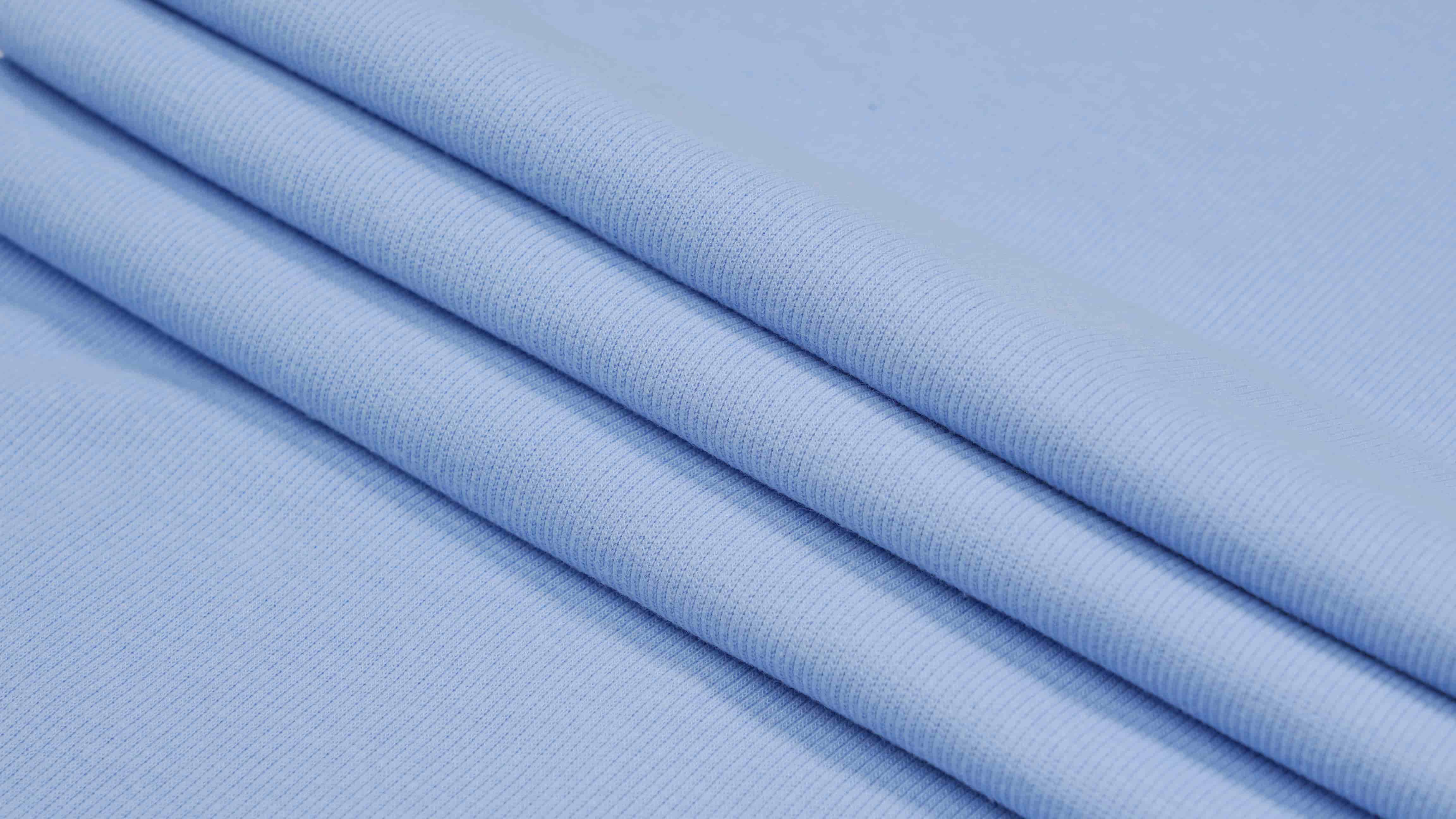
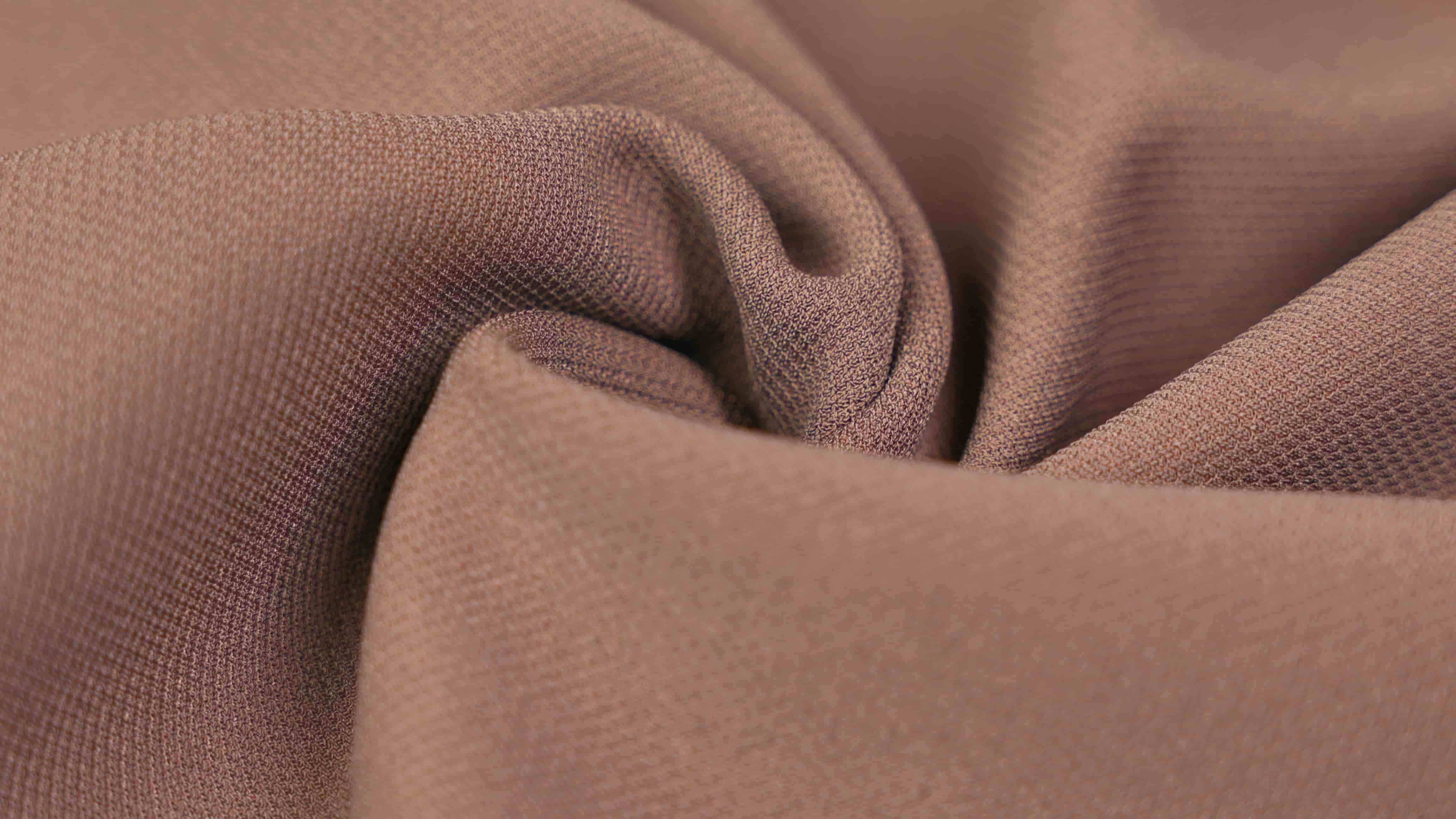
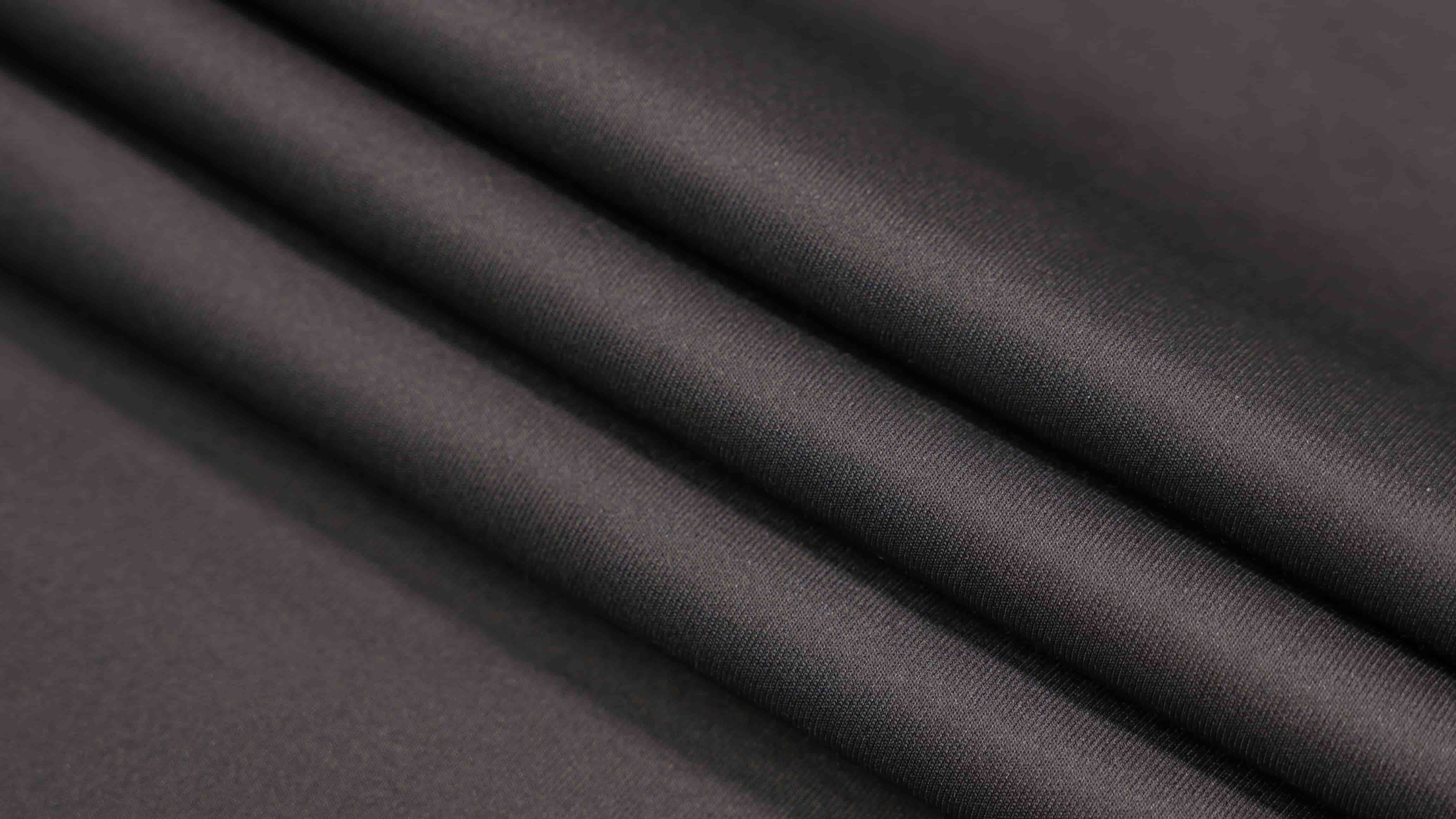
Relaxed knit fabric is a specialized type of knitted textile characterized by looser loop structures and improved dimensional stability.
Unlike standard compact knits, relaxed constructions use lower tension settings during manufacturing to produce fabrics with reliable stretch recovery and minimal distortion after production.
This technical method addresses key challenges in commercial textile applications where maintaining dimensional consistency directly affects production efficiency and product quality.
This article explores the engineering principles that differentiate relaxed from standard knit structures, measures performance standards relevant to industrial purchasing, and offers compliance guidelines for B2B buyers in apparel manufacturing, technical textiles, and commercial production environments that require controlled elasticity and shape retention.
Technical Definition and Construction Principles
Loop Structure and Stitch Density
Relaxed knit fabric construction fundamentally differs from standard knits through controlled gauge reduction and modified yarn tension parameters. In conventional knitting, machines operate at maximum tension to achieve compact loop formations with 18-24 stitches per inch. Relaxed knits intentionally reduce this density to 16-20 stitches per inch, creating 3-8% looser stitch formations that allow individual yarn loops to settle into their natural resting state without internal stress.
The technical mechanism involves decreasing needle bed tension by 15-20% during knitting cycles. This change allows yarns to form larger loops, usually 0.8-1.2mm in diameter, greater than compact knits when measured according to ASTM D3887 standards. The larger loop size results in interstitial spaces that improve breathability while preserving structural integrity through balanced friction between loops.
Understanding relaxed construction hinges on the idea of “residual yarn stress.” Standard knits hold onto 12-18% of internal tension from manufacturing, leading to dimensional changes during initial washing cycles. Relaxed knits lower this residual stress to 4-7%, which results in shrinkage rates under 3%, compared to 5-9% in traditional constructions. This stability comes from permitting yarn molecules to reach equilibrium positioning during their initial formation, rather than relying on post-production relaxation processes.
Gauge specifications for relaxed knits usually fall between 20-28 gauge for apparel applications and 12-18 gauge for technical textiles. The Wales-per-inch (WPI) measurement generally ranges from 15-18 for relaxed constructions compared to 20-24 for compact knits, which directly relates to the 20-25% increase in fabric hand softness observed in tactile assessments.
Manufacturing Process Variations
Producing relaxed knit fabrics necessitates particular machine configuration adjustments that go beyond standard knitting parameters. Circular knitting machines, which are the primary method for large-scale production, use cam system modifications to lower positive yarn feeding pressure. While standard positive feed systems supply yarn at over-feed rates of 8-12%, relaxed knit production decreases this to 5-8%, enabling yarn to enter needle hooks with minimal pre-tension.
Flatbed knitting systems achieve relaxation by reducing carriage speed and modifying stitch cam profiles. Slowing the carriage from 1.2m/s to 0.9m/s allows more dwell time for yarn loop formation, facilitating natural settling before the next course is inserted. Although this 25% decrease in speed affects production efficiency, it results in better dimensional consistency for technical applications that demand precise fabric specifications.
Post-knitting relaxation treatments are an important difference in manufacturing. While standard knits are mechanically relaxed by tumbling or steaming to eliminate manufacturing tension, truly relaxed knits are treated for improvement rather than correction. The usual relaxation process includes:
- Dry relaxation: 24-48 hours on perforated tables allowing gravitational settling
- Steam relaxation: 15-20 minutes at 95-105°C with 85% humidity
- Wet relaxation: Controlled immersion in 40-50°C water baths with minimal mechanical action
These sequential treatments reduce residual dimensional change potential to below 2% in subsequent processing, a critical specification for cut-and-sew operations where pattern precision directly affects production waste rates.
Material Properties and Performance Specifications
Physical Characteristics
Relaxed knit fabrics display specific measurable characteristics that set them apart from standard constructions across various performance aspects. For apparel applications, fabric weight usually falls between 180-280 GSM (grams per square meter), while technical textiles can reach 320-450 GSM. This weight range indicates the trade-off between loop openness and structural density—looser designs need heavier yarns or higher course density to achieve similar coverage.
Stretch recovery performance is a key characteristic. When tested using ASTM D2594 protocols (extension and recovery), relaxed knits show 85-92% recovery after 30% extension, whereas standard knits recover 75-85%. This enhanced recovery results from decreased internal friction between loops, enabling individual stitches to revert to their original positions without permanent deformation. The practical consequence is that garments retain their shape through over 50 wear-wash cycles, compared to 30-40 cycles for traditional constructions.
Dimensional stability measurements reveal relaxed knits’ commercial advantage. After five standardized wash cycles per ISO 6330 protocols, the average dimensional changes:
- Length direction: -1.5% to -2.8%
- Width direction: -1.2% to -2.5%
- Diagonal bias: -0.8% to -1.5%
These values represent 40-50% improvement over standard knits, directly reducing production overages required to compensate for shrinkage variability.
Breathability metrics measured via air permeability testing (ISO 9237) show relaxed knits achieving 180-250 mm/s airflow rates compared to 120-180 mm/s for compact constructions. The 30-40% improvement correlates with increased interstitial space between loops, enhancing moisture vapor transmission rates to 3,500-4,200 g/m²/24hr under ASTM E96 testing—critical for activewear and medical textile applications.
Comparative Analysis: Relaxed vs. Regular Knit
| Performance Parameter | Relaxed Knit | Regular Knit | Compact Knit | Test Method |
|---|---|---|---|---|
| Stretch (Horizontal) | 35-45% | 40-55% | 25-35% | ASTM D2594 |
| Recovery Rate | 88-92% | 78-85% | 85-90% | ASTM D2594 |
| Shrinkage (Length) | 1.5-2.8% | 4.5-7.5% | 2.5-4.0% | ISO 6330 |
| Shrinkage (Width) | 1.2-2.5% | 3.8-6.2% | 2.0-3.5% | ISO 6330 |
| Air Permeability | 200-250 mm/s | 140-180 mm/s | 100-140 mm/s | ISO 9237 |
| Pilling Resistance | Grade 3.5-4 | Grade 3-3.5 | Grade 4-4.5 | ASTM D3512 |
| Fabric Hand (Softness) | 85-95 (scale 100) | 70-80 | 60-70 | Kawabata System |
| Cost per Meter (USD) | $4.20-$6.80 | $3.50-$5.20 | $5.80-$8.50 | Market Average |
| Production Speed | 85-90% standard | 100% baseline | 75-80% standard | Relative Output |
The comparative data shows that relaxed knits are positioned in the middle of the knit fabric spectrum—providing better dimensional stability and comfort compared to regular knits while still offering cost benefits over compact constructions. The 12-18% higher price compared to standard knits results in less production waste and decreased garment return rates, usually leading to a positive ROI within 8-12 months for medium-volume manufacturers producing over 50,000 units annually.
Industrial Applications and Use Cases
Apparel Segment Applications
Relaxed knit fabrics show specific commercial importance in clothing categories where maintaining shape and comfort are the main reasons for buying. Manufacturers of activewear use relaxed designs for base layers and training clothes that need to manage moisture without squeezing. The controlled stretch features help keep the garment’s shape during vigorous activities, while improved breathability aids in temperature regulation—essential for performance sportswear where fabric breakdown can directly affect brand reputation.
Loungewear and athleisure segments are the fastest-growing application areas. Relaxed knits have been capturing 23% market share growth annually since 2021. The fabric’s soft hand feel and minimal surface friction help reduce skin irritation during extended wear periods. This addresses consumer preferences for “all-day comfort” positioning. Commercial buyers report a 30-40% reduction in customer returns related to fit issues when switching from standard to relaxed knit constructions.
Medical garment applications utilize relaxed knits’ dimensional stability for compression wear and post-surgical recovery garments. The consistent stretch properties allow for accurate graduated compression profiles—crucial for effective therapy. Manufacturers choose relaxed knits for these uses because they deliver reliable performance after over 100 industrial laundry cycles at 75°C, keeping compression levels within ±5% of the original specifications, compared to ±12% for standard knits.
Technical Textile Applications
Beyond apparel, relaxed knit constructions serve specialized technical textile functions requiring controlled elasticity with dimensional predictability. Automotive interior applications utilize heavier-weight relaxed knits (320-450 GSM) for seat covering and headliner substrates. The fabric’s conformability enables complex three-dimensional shaping during thermoforming processes while maintaining recovery properties that prevent sagging over the vehicle’s service life. Testing per FMVSS 302 flammability standards confirms relaxed knits meet automotive safety requirements when treated with appropriate flame retardants.
Filtration systems use relaxed knit geometries for pre-filter stages in HVAC and industrial air handling applications. The controlled porosity formed by relaxed loop structures offers 40-60% better dust-holding capacity compared to woven alternatives, while still maintaining an initial filtration efficiency of 85-90% for particles larger than 10 microns. The three-dimensional structure creates complex airflow paths that improve particle capture without causing excessive pressure drop—usually 0.3-0.5 inches water column at a face velocity of 500 FPM.
Composite reinforcement applications use relaxed knits as interlayer materials in fiber-reinforced polymers, where controlled resin flow and conformability to complex mold geometries are needed. The fabric’s drapability—measured at 15-25cm cantilever stiffness per ASTM D1388—allows for hand lay-up operations in marine and aerospace secondary structures, while the open construction promotes resin infiltration without dry spots or void formation.
Compliance Standards and Quality Benchmarks
International Testing Standards
Procurement specifications for relaxed knit fabrics should cite recognized international testing protocols to verify material consistency and performance. ASTM D3887 serves as the basic standard for knit fabric specifications, outlining measurement methods for stitch density, course and wale counts, and fabric weight. This standard sets the essential dimensional parameters needed for quality control documentation.
Tensile property evaluation follows ISO 13934-1 (strip method) or ISO 13934-2 (grab method). It measures breaking force and elongation at break in both wale and course directions. For relaxed knits, typical specifications require a minimum breaking strength of 180-250N in the course direction and 150-200N in the wale direction for apparel-weight fabrics. Technical textiles may specify 300-450N depending on end-use requirements.
Chemical safety compliance more and more requires Oeko-Tex Standard 100 certification, especially for applications involving skin contact. This certification confirms that harmful substances such as formaldehyde (less than 75 ppm for direct skin contact), heavy metals, pesticides, and chlorinated phenols are not present. For relaxed knits designed for infant or medical use, Product Class I certification, which is the most strict level, should be specified.
Colorfastness requirements per ISO 105 series standards ensure dye stability through use and maintenance cycles. Minimum specifications typically include:
- Washing fastness (ISO 105-C06): Grade 4 minimum
- Light fastness (ISO 105-B02): Grade 4-5 for outdoor applications
- Perspiration fastness (ISO 105-E04): Grade 4 for activewear
- Rubbing fastness (ISO 105-X12): Grade 3-4 wet, Grade 4 dry
Quality Control Parameters for Procurement
Effective quality control protocols for relaxed knit procurement go beyond standard testing to verify manufacturing consistency. Inspection of stitch consistency should use statistical process control with acceptable quality limits (AQL) of 2.5 for major defects and 4.0 for minor defects according to ANSI/ASQC Z1.4 sampling plans. Critical defects—such as holes, yarn breaks, or contamination—must have 0% tolerance, with 100% inspection of the affected production lots.
Dimensional stability verification should take place at three stages: greige fabric, after dyeing/finishing, and after simulated use cycles. The acceptable variation between stages should not surpass ±3% in either direction, with more stringent tolerances (±2%) designated for technical applications. Testing protocols should mimic actual production conditions, including washing temperatures, drying methods, and mechanical stresses representative of end-use.
Fabric hand evaluation, although subjective, can be measured using Kawabata Evaluation System (KES) assessments that analyze tensile, bending, shearing, compression, and surface characteristics. For relaxed knits, the target specifications usually involve bending rigidity less than 0.08 gf·cm²/cm and surface roughness (MMD) ranging from 0.003 to 0.006mm to attain the typical soft hand feel.
Commercial Considerations for B2B Buyers
Cost-Benefit Analysis
The 8-15% price premium for relaxed knit fabrics versus standard constructions requires justification through total cost of ownership analysis. Direct material cost increases of $0.70-$1.60 per meter translate to $0.35-$0.80 per garment for typical apparel applications. However, this investment generates multiple offsetting benefits:
- Reduced cutting waste: Improved dimensional stability decreases pattern overages from 8-12% to 4-6%, saving $0.50-$0.90 per garment in material costs for medium-complexity patterns.
- Lower defect rates: Enhanced shape retention reduces quality control rejections by 25-35%, decreasing rework costs averaging $1.20-$1.80 per rejected unit.
- Decreased returns: Improved fit consistency reduces customer returns by 30-40% in e-commerce channels where return rates typically reach 20-30% for knit garments. At an average processing cost of $8-$12 per return, this generates $2.40-$4.80 savings per unit sold.
For manufacturers processing 100,000 units annually, the cumulative savings potential reaches $180,000-$320,000, delivering ROI within 6-9 months despite higher initial material costs. Technical textile applications demonstrate even faster payback through reduced warranty claims and extended product service life.
サプライチェーン統合
Successful integration of relaxed knit fabrics requires alignment of procurement parameters with manufacturing capabilities and commercial objectives. Lead times usually extend 2-3 weeks beyond standard knit production because of modified machine settings and improved relaxation treatments. Buyers should include this timing in production schedules, especially for seasonal collections that need coordinated material arrival.
Minimum order quantities (MOQs) for relaxed knits typically range from 800 to 1,500 meters for stock constructions and from 2,000 to 3,500 meters for custom specifications. These thresholds are based on the setup costs involved in machine reconfiguration and quality verification runs. Buyers can improve MOQs by standardizing fabrics across various product lines, which helps lower inventory carrying costs while still allowing for flexible production.
Customization options offer opportunities for competitive differentiation. Modifying fiber blends—such as adding modal, bamboo, or technical synthetics—allows for performance optimization tailored to specific applications. During production, surface finishing treatments like antimicrobial agents, moisture-wicking enhancements, or UV protection can be applied. Buyers should ask for pre-production samples accompanied by comprehensive testing documentation to confirm specifications before placing large orders.
Supplier qualification should confirm technical capabilities such as knitting machine gauge range, quality control systems, and access to testing equipment. Preferred suppliers hold ISO 9001 quality management certification and supply third-party testing reports from accredited laboratories. Establishing long-term partnerships allows for collaborative development of application-specific fabrics with optimized cost-performance profiles.
FAQモジュール
Q1: What is the typical shrinkage rate for relaxed knit fabric after industrial washing?
Relaxed knit fabrics demonstrate shrinkage rates of 1.5-2.8% in the length direction and 1.2-2.5% in the width direction after five industrial wash cycles at 75°C per ISO 6330 protocols. This represents a 40-50% improvement over standard knits. For commercial laundry applications using higher temperatures (85-95°C), shrinkage may increase to 3-4%, still significantly below the 6-9% typical of conventional constructions. Specifying pre-shrunk relaxed knits can further reduce dimensional change to below 2% across all directions.
Q2: Can relaxed knit fabrics meet flame-retardancy standards for commercial upholstery?
Yes, relaxed knit fabrics can achieve flame retardancy compliance through inherent fiber selection or topical treatments. For commercial upholstery applications, fabrics must meet NFPA 260 (cigarette ignition resistance) and California TB 117-2013 standards. Using inherently flame-retardant fibers like modacrylic blends or treating with durable FR chemistries enables relaxed knits to achieve these requirements while maintaining their characteristic comfort properties. Testing should verify FR performance persists through 50+ commercial laundry cycles. Automotive applications require additional FMVSS 302 compliance, achievable through appropriate FR treatment systems.
Q3: What is the minimum order quantity for custom relaxed knit fabric development?
Minimum order quantities for custom relaxed knit development typically range from 2,000-3,500 meters, depending on specification complexity. Stock constructions with standard fiber content but custom colors may have lower MOQs of 800-1,500 meters. Development programs involving unique fiber blends, specialized finishes, or novel construction parameters often require 5,000+ meters to justify sampling and testing investments. Buyers can reduce MOQs by standardizing base constructions across multiple product lines, varying only in finishing treatments or colors. Many suppliers offer sampling programs with 50-100 meter minimums for initial evaluation before committing to production quantities.
結論
Relaxed knit fabric is an engineered solution designed for applications that need the comfort and flexibility of knit constructions while maintaining the dimensional predictability necessary for efficient manufacturing processes. The technical differences—such as lower stitch density, controlled yarn tension, and systematic relaxation treatments—provide measurable performance benefits, including 40-50% better dimensional stability, 85-92% stretch recovery, and improved breathability compared to standard knit options.
B2B buyers assessing relaxed knits should focus on suppliers that offer complete testing documentation according to ASTM D3887, ISO 13934, and applicable colorfastness standards. The 8-15% increase in material costs results in a favorable ROI by minimizing production waste, decreasing defect rates, and reducing customer returns, usually recouping costs within 6-12 months for medium-volume production.
Successful procurement strategies include planning for the 2-3 week additional production cycle. They optimize MOQs through fabric standardization. They also establish long-term supplier partnerships that enable collaborative development of application-specific constructions. As technical textile applications expand and consumer preferences increasingly favor comfort-engineered fabrics, relaxed knit constructions provide competitive advantages for manufacturers prioritizing quality, consistency, and total cost optimization over minimum initial material costs.
