
Abstract
The activewear industry has traditionally relied on polyester and nylon for performance fabrics. However, rising demand for natural-fiber comfort, skin-friendly materials, and stronger ESG commitments is driving brands and procurement teams to explore advanced cotton alternatives.
Airflow Sports Cotton Knit Fabric offers a performance-focused cotton solution with an open-loop knit structure, delivering improved airflow, comfort, and functional performance while challenging the idea that synthetic fabrics are always the best choice for athletic apparel.
This article compares five key factors — breathability, moisture management, durability, skin comfort, and sustainability — providing B2B buyers with a practical framework to evaluate whether Airflow Sports Cotton Knit Fabric can replace, complement, or integrate with synthetic sports fabrics.
1. Understanding Airflow Sports Cotton Knit Fabric: Construction & Core Technology
1.1 Fabric Engineering & Knit Structure
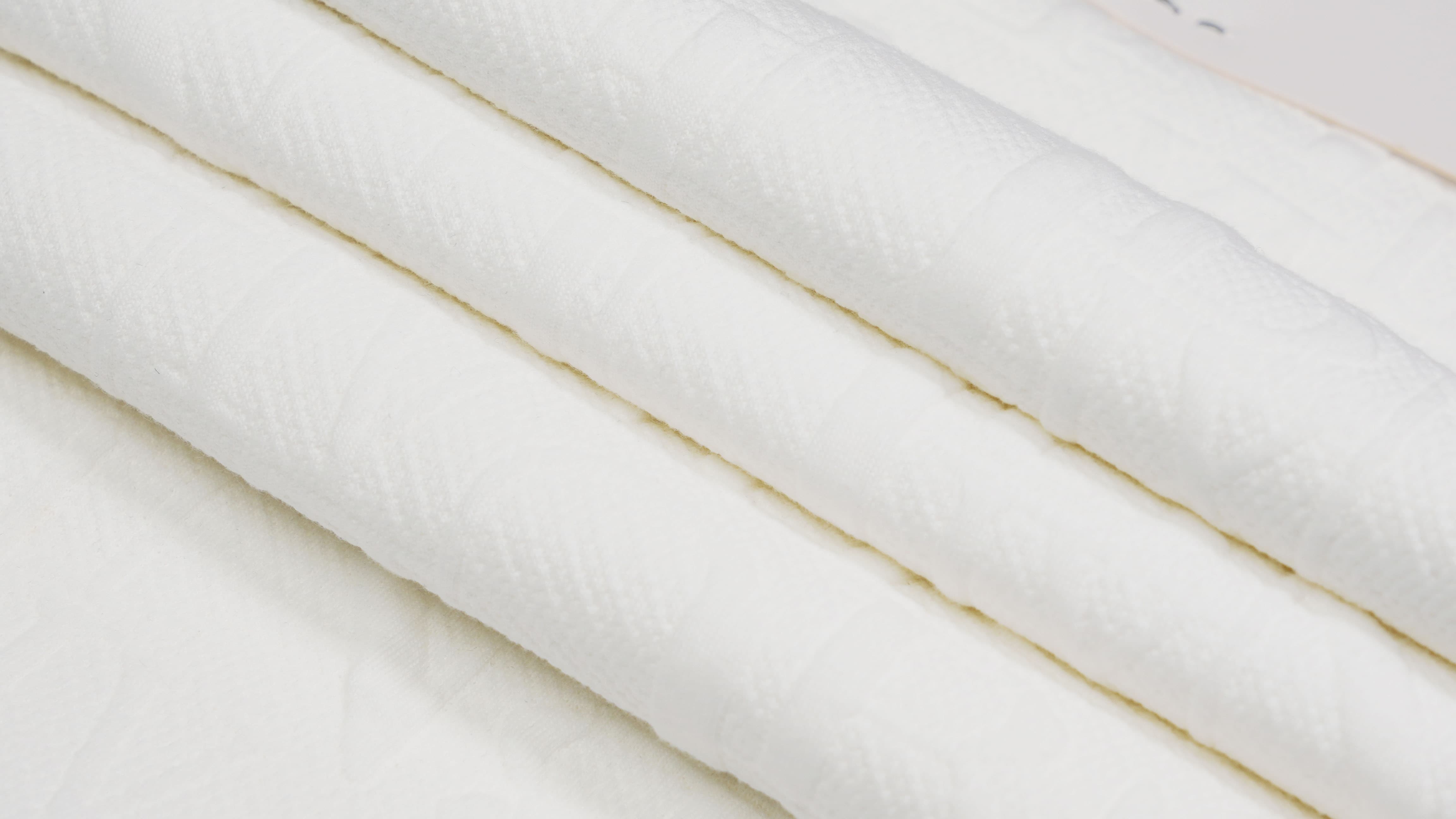
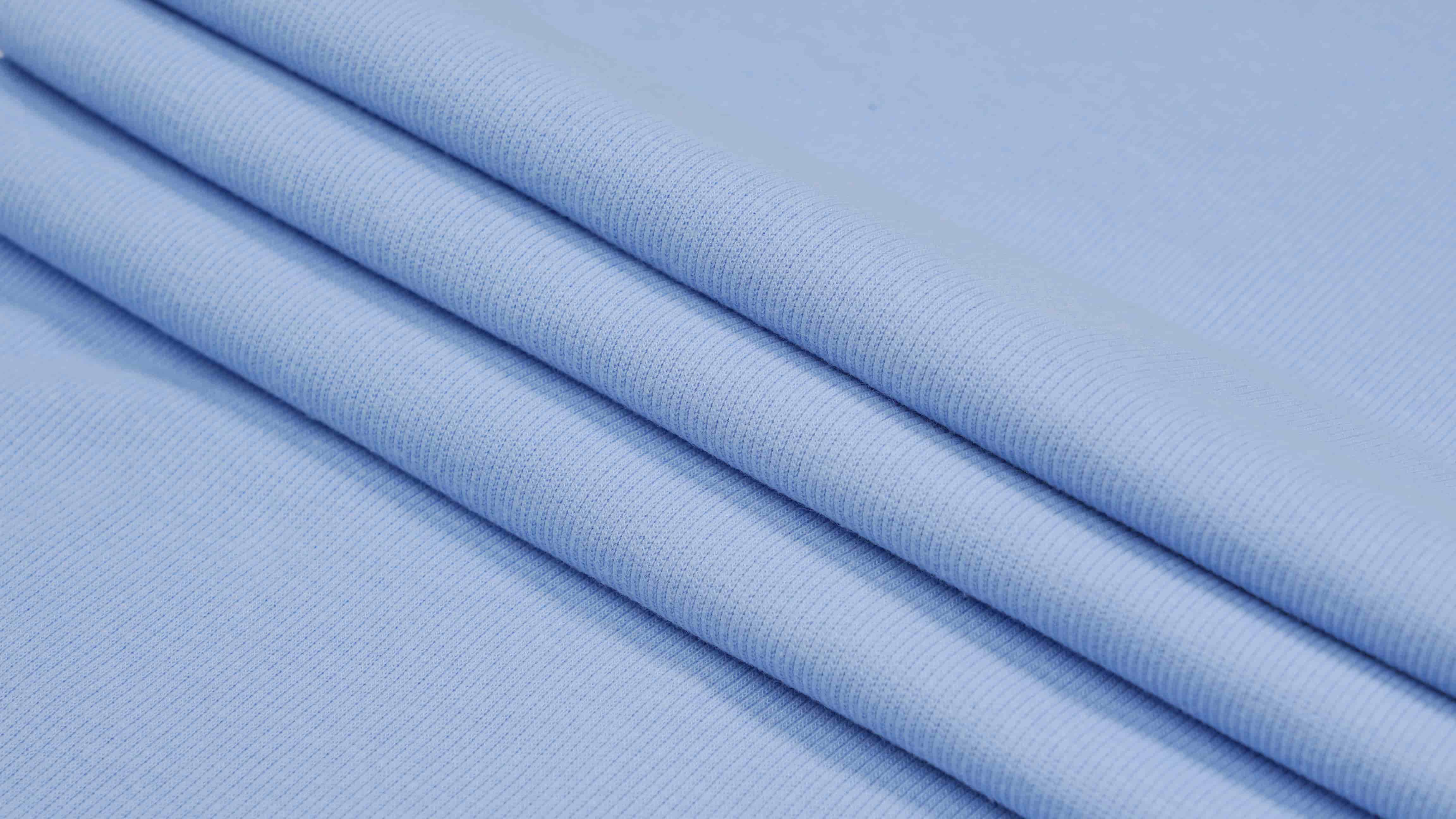
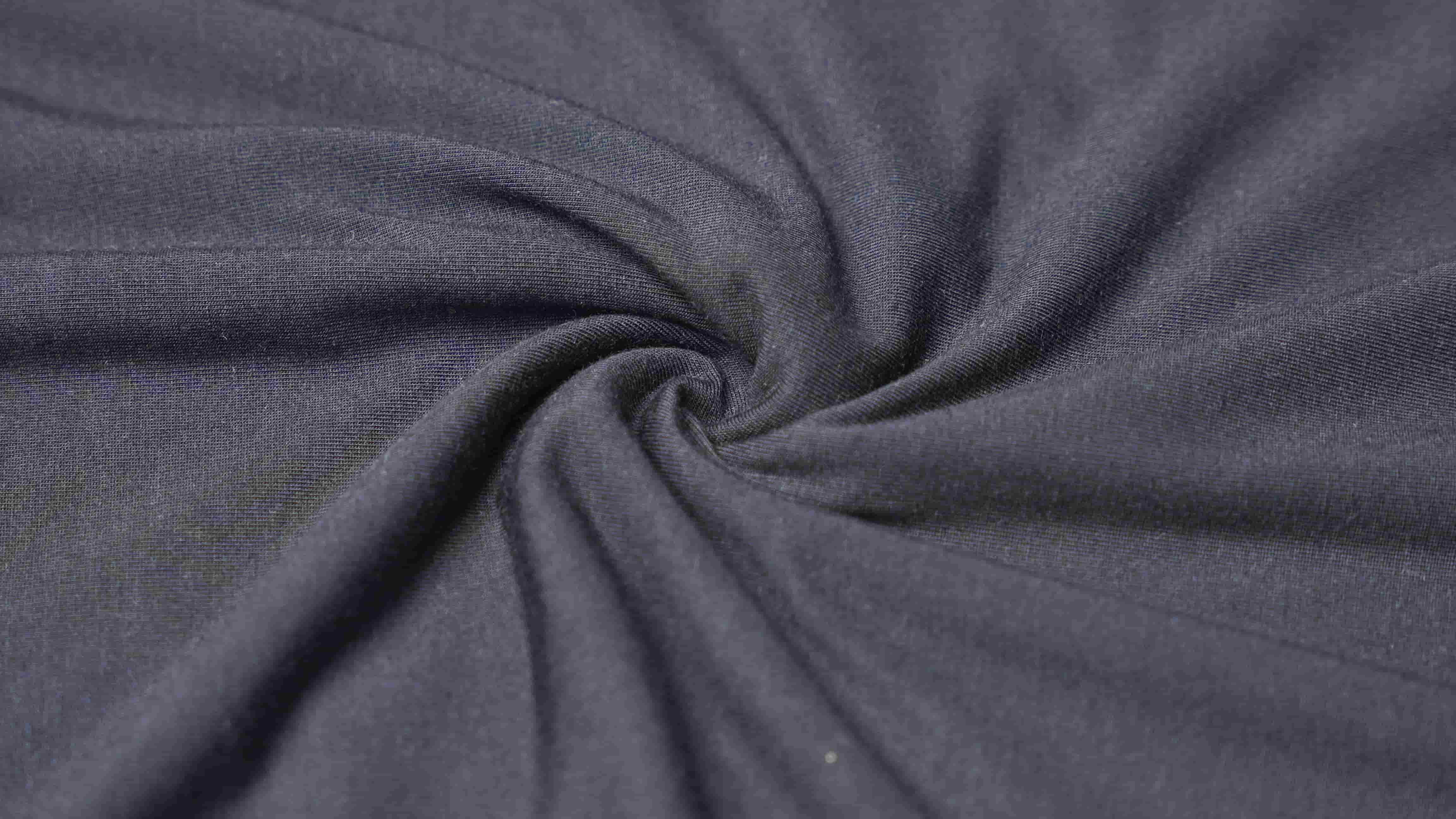
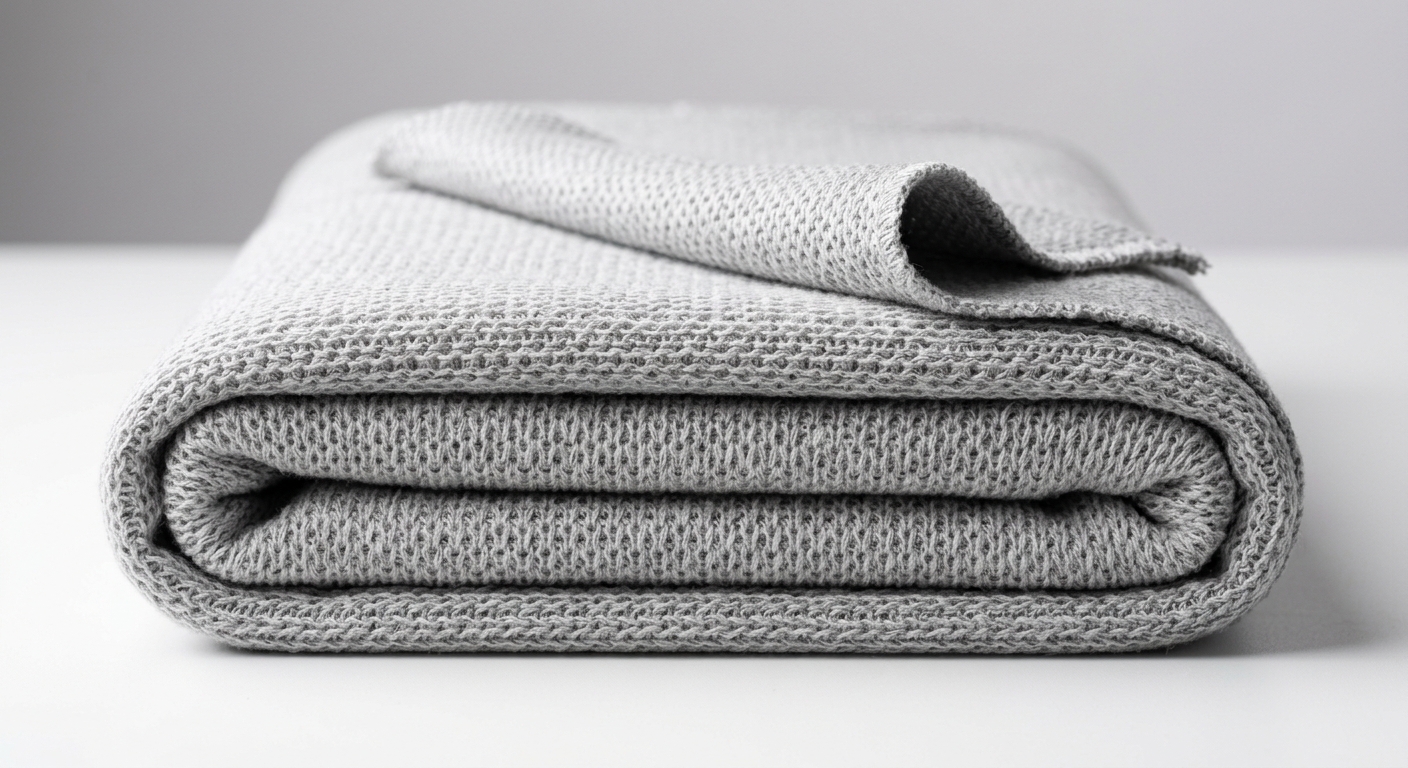
Airflow Sports Cotton Knit Fabric is engineered with an open-loop interlock knit structure that distinguishes it from conventional jersey and single-knit cotton fabrics. This specialized construction creates interconnected micro-air channels between yarn loops, promoting continuous airflow across the fabric surface without depending on synthetic mesh panels or additional chemical finishes.
The fiber selection is also a key factor in its performance. Long-staple combed cotton, commonly sourced from premium cotton varieties such as Egyptian or Pima cotton, helps reduce surface fuzz, minimize pilling potential, and improve tensile consistency throughout the knit structure. This refined fiber quality enhances the fabric’s natural softness, making it particularly suitable for skin-contact activewear applications.
The knit design further incorporates controlled stretch performance. Instead of depending heavily on elastane blends for flexibility, optimized loop tension and stitch density provide approximately 15–25% two-way stretch while maintaining over 90% recovery after repeated extension cycles. This construction approach preserves the advantages of cotton-based materials while supporting the movement requirements of low-to-medium intensity sportswear.
1.2 Key Technical Specifications
The following table compares Airflow Sports Cotton Knit Fabric with commonly used polyester mesh and nylon blend fabrics in activewear manufacturing:
| Specification | Airflow Sports Cotton Knit | Polyester Mesh | Nylon Blend |
|---|---|---|---|
| Fabric Weight (GSM) | 160–220 | 100–160 | 180–240 |
| Fiber Content | 95–100% combed cotton | 100% polyester | 80% nylon / 20% elastane |
| Stretch Recovery (%) | 90–95% | 95–98% | 97–99% |
| Air Permeability (mm/s) | 280–340 | 350–450 | 180–260 |
| Moisture Absorption Rate | 8.5% | <0.5% | 4.0–5.5% |
| Pilling Resistance (Grade) | 3.5–4.0 / 5 | 4.0–4.5 / 5 | 4.5 / 5 |
The GSM range of 160–220 positions this fabric for mid-weight activewear — suitable for training tops, yoga layers, and athleisure outerwear — where thermal comfort and tactile quality carry commercial weight alongside raw performance metrics.
2. Performance Comparison: Cotton Knit vs. Synthetic Sports Fabrics
2.1 Breathability & Moisture Management
Air permeability testing based on ISO 9237 methodology places Airflow Sports Cotton Knit Fabric within the range of 280–340 mm/s, making it competitive with many mid-range polyester constructions and more breathable than standard nylon blends. The open-loop knit structure is the key factor behind this performance, creating stable airflow channels that remain effective during body movement and fabric compression.
The main technical difference lies in how each fiber manages moisture. Polyester fabrics rely on capillary action along hydrophobic fiber surfaces to transfer sweat away from the skin, allowing rapid moisture movement but limited absorption within the fiber itself. Cotton, by contrast, absorbs moisture directly into its cellulose structure (up to 8.5% of its weight), helping create a cooling sensation through evaporative heat exchange at the skin surface.
For moderate-intensity activities such as yoga, Pilates, functional training, and studio workouts, this absorption-based moisture management provides a cooler and more comfortable wearing experience compared with moisture-wicking-only polyester. However, in high-intensity sports with heavy perspiration, including competitive running and HIIT training, cotton’s higher moisture retention may increase fabric weight and extend drying time (approximately 45–60 minutes compared with 15–20 minutes for polyester mesh). This remains an important consideration for performance-critical applications.
2.2 Durability, Pilling Resistance & Colorfastness
Durability testing across 50 industrial wash cycles (IWS TM31 protocol, 40°C) shows that Airflow Sports Cotton Knit Fabric maintains strong structural stability with less than 3% dimensional change, achieving performance comparable to mid-grade polyester fabrics. After 50 washes, tensile strength retention reaches approximately 88–92%, meeting commercial durability expectations for most activewear categories.
Pilling resistance ratings of 3.5–4.0/5 under the Martindale testing method demonstrate the advantage of long-staple combed cotton fibers. Although polyester mesh and nylon blends may achieve slightly higher ratings (4.0–4.5/5), the practical difference is limited in applications such as yoga and athleisure, where abrasion levels are generally lower than in competitive sportswear.
Colorfastness testing under repeated laundering (ISO 105-C06) achieves Grade 4 for color change and Grade 4–5 for staining, supporting export requirements in major textile markets including the EU, US, and ASEAN regions. Reactive dyeing technologies designed for cotton fabrics also enable deeper, more vibrant colors than traditional acid-dyed nylon, providing a commercial advantage for fashion-oriented activewear collections.
3. Comfort, Skin Safety & Sustainability Credentials
3.1 Skin-Contact Comfort & Hypoallergenic Properties
Cotton’s natural pH range of approximately 6.5–7.5 is close to the skin’s natural environment, helping reduce discomfort during extended wear. This characteristic is particularly valuable for activewear designed for sensitive-skin consumers, recovery garments, and children’s sportswear, where prolonged skin contact requires careful material selection.
Airflow Sports Cotton Knit Fabric also generates minimal static electricity compared with polyester-dominant fabrics, reducing common issues such as fabric cling and surface dust attraction. For activewear brands, this creates a noticeable comfort advantage that can strengthen product differentiation in consumer markets.
According to softness evaluation using the Kawabata Evaluation System, combed cotton knit fabrics typically achieve a surface friction coefficient below 0.15 MIU, indicating a smoother, lower-friction surface. This helps minimize skin irritation caused by repeated movement and makes the fabric suitable for inner layers, sports bras, and garments with prolonged skin contact.
3.2 Sustainability & Compliance Standards
From a supply chain perspective, Airflow Sports Cotton Knit Fabric can support compliance requirements such as OEKO-TEX Standard 100 (Class I for baby and direct skin-contact products) and GOTS certification when organic cotton sourcing is applied. These certifications are increasingly valued by European and North American buyers during supplier qualification and sustainability evaluation.
In terms of environmental impact, cotton production generally requires more water than polyester during fiber cultivation and processing. However, cotton offers key sustainability advantages through biodegradability and the absence of synthetic microplastic shedding during laundering. These characteristics support brands developing ESG strategies, circular textile initiatives, and more transparent material sourcing programs.
For companies pursuing sustainability certifications such as B Corp or preparing Scope 3 emissions reporting, sourcing cotton fabrics through certified and traceable supply chains provides measurable sustainability value and strengthens brand positioning compared with conventional synthetic alternatives.
4. Application Scenarios & Commercial Fit for Activewear Brands
4.1 Suitable Activewear Categories & End-Use Cases
Airflow Sports Cotton Knit Fabric delivers its strongest performance-to-value ratio across the following activewear categories:
Yoga & Pilates Apparel: Low-abrasion, comfort-focused applications where skin feel and breathability are more important than ultra-fast drying performance.
Athleisure & Lifestyle Sportswear: Fashion-performance crossover products where natural-fiber aesthetics, color depth, and everyday comfort create commercial differentiation.
Low-to-Mid Intensity Training Wear: Studio fitness, barre, and functional training garments where sweat levels remain moderate and long-wearing comfort is a key requirement.
Loungewear-to-Activewear Crossover: A growing category where cotton’s softness and natural hand feel provide a strong consumer value proposition.
Sustainable Activewear Collections: ESG-focused product lines targeting eco-conscious retail channels and sustainability-driven brand positioning.
While synthetic fabrics maintain advantages in high-intensity competitive sports, outdoor technical apparel, and applications requiring maximum moisture evacuation, airflow sports cotton knit fabric provides a practical alternative for brands prioritizing comfort, breathability, and natural-fiber positioning. A hybrid strategy — using cotton knit fabrics for body panels and polyester mesh for targeted ventilation zones — is also a commercially viable approach for balancing comfort with peak-performance requirements.
4.2 Sourcing Considerations & MOQ for B2B Buyers
For procurement teams evaluating Airflow Sports Cotton Knit Fabric at scale, the following commercial parameters should be considered:
Minimum Order Quantity (MOQ): Typically 300–500 meters per colorway for standard constructions; custom GSM or finishing treatments may require 800–1,000 meters.
Lead Time: 25–35 days for stock colors; 45–60 days for custom dyeing and finishing processes.
Customization Options: GSM adjustment (160–220g), enzyme wash finish, anti-pilling treatment, custom Pantone matching, and organic cotton certification upgrades.
Supplier Qualification: Prioritize mills with OEKO-TEX, GOTS, and ISO 9001 certifications. Request third-party test reports covering air permeability, colorfastness, and wash durability before confirming bulk production.
FAQ
Q1: Does Airflow Sports Cotton Knit Fabric meet moisture-wicking performance standards required for competitive sportswear production?
For competitive sportswear with high sweat-rate demands, standard Airflow Sports Cotton Knit Fabric does not match polyester’s capillary-action wicking speed. However, for yoga, studio fitness, and athleisure, its moisture absorption and comfort performance meet commercial requirements. Hybrid constructions are recommended for elite sports applications.
Q2: How does long-term durability compare to polyester mesh after 50+ industrial wash cycles?
Third-party wash durability testing shows that Airflow Sports Cotton Knit Fabric retains 88–92% tensile strength after 50 wash cycles, with less than 3% dimensional change. Polyester mesh may perform slightly better in abrasion resistance, but the difference is limited in everyday activewear applications.
Q3: What certifications should procurement teams verify before sourcing for export markets?
Buyers should verify OEKO-TEX Standard 100, ISO 105-C06 colorfastness testing, and ISO 6330 dimensional stability reports. For EU markets, REACH compliance is essential. GOTS certification can further support sustainable product positioning for premium retail channels.
Q4: Is Airflow Sports Cotton Knit Fabric suitable for sustainable activewear collections?
Yes. When produced with certified cotton sources, Airflow Sports Cotton Knit Fabric supports sustainability-focused apparel lines through natural fiber composition, biodegradability, and reduced microplastic concerns. GOTS-certified options can further strengthen ESG claims for global brands.
Q5: What activewear categories are most suitable for cotton knit fabrics?
Cotton knit fabrics are ideal for yoga wear, Pilates apparel, athleisure, studio training garments, and lifestyle sportswear. These categories prioritize breathability, softness, and skin comfort over extreme moisture evacuation or maximum abrasion resistance.
Q6: Can Airflow Sports Cotton Knit Fabric replace synthetic fabrics completely?
Not in every application. Synthetic fabrics remain preferable for high-intensity sports requiring ultra-fast drying and maximum performance. However, cotton knit fabrics provide a strong alternative for comfort-focused, sustainable, and low-to-medium intensity activewear categories.
Conclusion
Airflow Sports Cotton Knit Fabric is not designed to replace all synthetic sports fabrics, but it offers a reliable alternative for yoga, athleisure, low-to-medium intensity training, and sustainability-focused collections. With balanced breathability, durable wash performance, skin-friendly comfort, and natural-fiber advantages, it meets the needs of many modern activewear applications.
For high-intensity sports requiring ultra-fast moisture evacuation, maximum abrasion resistance, or lightweight technical performance, polyester and nylon remain strong choices. The right sourcing strategy is application-based: select Airflow Sports Cotton Knit Fabric where comfort, breathability, and ESG value enhance product positioning.
For buyers, evaluating fabric construction, stretch recovery, breathability, and certifications before bulk production is essential. Requesting samples and performance data from qualified suppliers can help brands choose the right material solution and develop competitive activewear collections.
