
Introduction
Finding the right balance between softness and warmth is a key consideration when selecting textiles. Cotton offers excellent breathability and a soft hand feel, while wool provides natural insulation and durability. However, each fiber has limitations when used alone.
Cotton wool blend knit fabric combines the advantages of both materials, delivering the comfort of cotton with the warmth and resilience of wool. This makes it a versatile choice for premium apparel, bedding, and other textile applications.
How does this blended fabric achieve such a balance? By exploring its fiber properties, knit structure, and practical performance, we can understand why it is becoming an increasingly popular solution for textile manufacturers and brands.
The Best of Both Worlds: Understanding Cotton Wool Blend Knit Fabric
The performance of cotton wool blend knit fabric comes from the unique combination of cotton and wool fibers. Cotton is known for its softness, breathability, and moisture absorption, while wool provides natural warmth, elasticity, and durability.
However, each fiber has limitations when used alone. Cotton offers excellent comfort but has limited thermal insulation, while pure wool can feel less comfortable against sensitive skin. By blending these two natural fibers, manufacturers can create a textile that balances softness, warmth, and everyday performance.
In premium blends, cotton typically provides the main comfort characteristics, while wool enhances heat retention and fabric resilience. This combination makes cotton wool blend knit fabric suitable for applications that require both a soft hand feel and improved thermal performance, such as premium apparel and bedding.
The Science of Warmth: How Cotton Wool Blend Knit Fabric Traps Heat
The warmth of cotton wool blend knit fabric comes from the natural structure of wool fibers and the construction of the knitted fabric. Wool fibers have a crimped structure that creates small air pockets, helping retain heat and improve insulation.
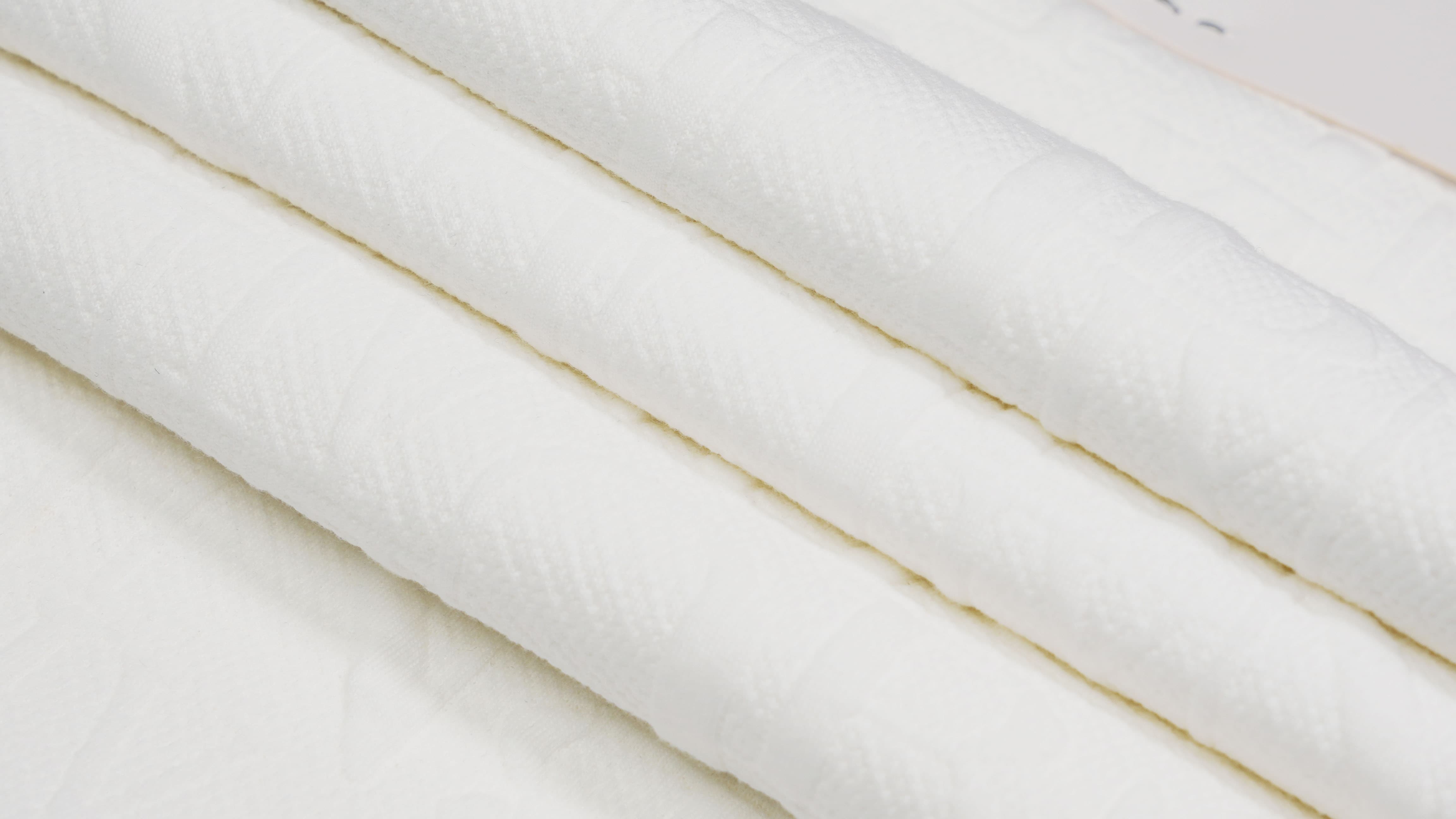
The knit structure further enhances this effect. Unlike tightly woven fabrics, knitted fabrics contain interconnected loops that allow more air to be trapped within the material. For advanced designs such as double-layer jacquard knit fabric, the additional structure improves warmth while maintaining flexibility and comfort.
For textile manufacturers, this means cotton-wool blended knit fabrics can provide reliable thermal performance without excessive weight, making them a practical choice for seasonal apparel, blankets, and other premium textile products.
Thermal Performance Comparison – Cotton Wool Blend vs. Pure Fibers
| Fabric Type | Thermal Insulation | Softness | Breathability | Durability | Wrinkle Resistance |
|---|---|---|---|---|---|
| Cotton Wool Blend Knit | High | High | High | High | High |
| 100% Cotton | Low | Very High | Very High | Moderate | Low |
| 100% Wool | Very High | Moderate | Moderate | High | High |
| Synthetic Blend | Moderate | Low | Low | High | High |
Source: Compiled from industry testing data on fiber thermal properties.
The Softness Factor: Why Cotton Wool Blend Knit Fabric Feels So Good
Warmth is essential, but if a fabric feels like sandpaper against your skin, nobody will want to wear it. This is the Achilles’ heel of pure wool—and the area where cotton wool blend knit fabric truly shines.
The softness of this fabric comes primarily from its cotton content. High-end long-staple cotton, like the kind used in premium blends, produces exceptionally smooth and fine yarns. These yarns have fewer protruding fibers, which means less irritation against the skin. When blended with wool, the cotton acts as a buffer, surrounding the wool fibers and preventing them from making direct contact with your skin.
The result is a fabric that feels gentle, almost luxurious, against the body. It lacks the scratchiness that plagues many wool garments, making it suitable for sensitive skin and close-to-body applications like loungewear and bedding.
The knit structure also contributes to softness. Knits are inherently more flexible and yielding than wovens. They stretch and move with your body, reducing friction and enhancing comfort. The double-layer jacquard technique used in high-quality cotton wool blend knit fabric creates a plush, cushioned feel that is both soft and weighty. It is the kind of fabric you want to wrap yourself in on a cold evening.
Consumers have taken notice. The blend’s ability to merge the best of cotton and wool makes it a beloved choice for anyone seeking softness, warmth, and versatility in their daily lives.
Real-World Applications: Where Cotton Wool Blend Knit Fabric Excels
The unique combination of softness and warmth makes cotton wool blend knit fabric incredibly versatile. It is not a one-trick pony—it performs beautifully across a range of applications.
-
Casual Loungewear
This is the most obvious and popular use. Sweatshirts, hoodies, and lounge pants made from cotton wool blend knit fabric offer the cozy feel you want for relaxing at home, combined with the warmth you need when the heating is turned down. The fabric breathes well enough to prevent overheating, so you stay comfortable whether you are binge-watching a series or curling up with a book.
-
Bedding and Blankets
The product page for this specific fabric highlights its use in bedding products. And it makes perfect sense. Sheets and blankets made from cotton wool blend knit fabric provide gentle softness against your skin while trapping body heat for a warm, restful night’s sleep. The double-layer jacquard construction adds a plush, weighty feel that is both comforting and luxurious.
-
Transitional Outerwear
For spring and fall, when temperatures fluctuate wildly, this fabric is ideal. Light jackets, cardigans, and wraps made from cotton wool blend knit fabric provide just the right amount of warmth without the bulk of a heavy winter coat. The breathability ensures you do not overheat when the sun comes out, while the insulation keeps you comfortable when the wind picks up.
-
Travel Apparel
Frequent travelers appreciate fabrics that perform well in changing conditions. A cotton wool blend knit fabric garment can take you from an air-conditioned airport to a warm destination without missing a beat. It resists wrinkles, packs relatively small, and feels comfortable against the skin for hours on end.
The versatility is a major selling point. One fabric, countless uses. That is the power of a well-executed blend.
Durability and Care: The Practical Advantages of Cotton Wool Blend Knit Fabric
Softness and warmth are great, but they mean little if the fabric falls apart after a few washes. This is another area where cotton wool blend knit fabric outperforms its pure counterparts.
Pure wool has a reputation for being delicate. It can shrink, felt, and pill if not handled with extreme care. Pure cotton, while easier to wash, is prone to wrinkling and can lose its shape over time.
The blend offers the best of both worlds. The cotton content improves wash performance and reduces the tendency to pill compared with pure wool. The wool content adds resilience and wrinkle resistance, helping the fabric maintain its shape and appearance wash after wash. The result is a cotton wool blend knit fabric that is easier to care for than pure wool and more durable than pure cotton.
Durability is not just about convenience—it is about value. A garment that lasts longer delivers a better return on investment. For manufacturers, this means fewer returns and higher customer satisfaction. For consumers, it means a favorite sweater or blanket that stays beautiful for years.
The blend also offers improved resistance to pilling. Pilling occurs when short fibers work their way to the surface of the fabric and form small balls of fuzz. The combing process used in high-quality cotton removes short fibers, reducing the likelihood of pilling. The wool content adds strength and elasticity, further enhancing the fabric’s durability.
Care and Durability Comparison – Cotton Wool Blend Knit vs. Alternatives
| Fabric Type | Wrinkle Resistance | Pilling Resistance | Shrinkage Risk | Ease of Care | Longevity |
|---|---|---|---|---|---|
| Cotton Wool Blend Knit | High | High | Low | Easy | High |
| 100% Cotton | Low | Moderate | Moderate | Easy | Moderate |
| 100% Wool | High | Low | High | Difficult | High |
| Synthetic Blend | Very High | High | Low | Very Easy | Moderate |
Source: Based on industry standard textile performance evaluations.
The Itch Factor: Why Cotton Wool Blend Knit Fabric Is Skin-Friendly
For many people, the biggest barrier to wearing wool is the itch. That prickly, uncomfortable sensation makes wool garments unwearable for a significant portion of the population. Cotton wool blend knit fabric solves this problem elegantly.
The itchiness of wool comes from the fiber’s scale structure. Wool fibers have overlapping scales that can irritate the skin, especially when the fibers are coarse or the fabric is worn directly against the body. The cotton in the blend acts as a physical barrier, preventing the wool scales from making direct contact with your skin.
The result is a fabric that feels smooth and comfortable, even for people with sensitive skin. You can wear a cotton wool blend knit fabric sweater over a t-shirt or directly against your skin without discomfort. This opens up the fabric to a much wider audience than pure wool.
The softness of the cotton also enhances the overall tactile experience. The fabric feels gentle, almost caressing, against the skin. It is the kind of sensory pleasure that makes you want to keep wearing it.
For manufacturers, this skin-friendliness is a major advantage. It expands the potential market for wool-blend products beyond the traditional wool-loving demographic. For consumers, it means finally being able to enjoy the warmth of wool without the irritation.
Breathability and Moisture Management: Staying Comfortable in Any Condition
Warmth is important, but so is comfort. A fabric that traps heat but does not allow moisture to escape will leave you feeling clammy and uncomfortable. This is where cotton wool blend knit fabric truly distinguishes itself from synthetic alternatives.
Both cotton and wool are highly breathable natural fibers. They allow air to circulate freely, preventing the buildup of heat and moisture. Cotton absorbs moisture from the skin, while wool wicks it away and releases it into the air. Together, they create a fabric that regulates temperature and keeps you dry.
This moisture management is crucial for comfort. When you sweat, the cotton absorbs the moisture, and the wool helps transport it away from your skin. The fabric dries relatively quickly, preventing that cold, damp feeling that makes synthetic fabrics so unpleasant in cold weather.
The knit structure enhances breathability. The loops in a knit fabric create channels for air to flow through, promoting ventilation. The double-layer jacquard construction used in premium cotton wool blend knit fabric maintains this breathability while adding warmth. It is a clever design that achieves the seemingly impossible: a warm fabric that does not make you overheat.
This balance of warmth and breathability makes cotton wool blend knit fabric ideal for year-round use. It keeps you warm in winter and comfortable in spring and fall. It is a true four-season fabric.
The Market Context: Why Cotton Wool Blend Knit Fabric Is Gaining Popularity
The growing popularity of cotton wool blend knit fabric is not an accident. It reflects broader trends in the textile market and shifting consumer preferences.
The global blended fibers market reached USD 32.12 billion in 2025 and is projected to grow to USD 44.87 billion by 2035, at a compound annual growth rate of 3.4%. Within this expanding market, cotton-wool blends are emerging as a particularly attractive segment. Consumers are increasingly seeking sustainable, natural-fiber products that offer both performance and comfort.
The winterwear market, a key application for cotton wool blend knit fabric, is expected to be a USD 359.78 billion business by 2025. This massive market is hungry for fabrics that deliver warmth without bulk, comfort without compromise, and style without sacrificing performance.
The demand for sustainable and eco-friendly textiles is also driving growth. Natural fibers like cotton and wool are biodegradable and have a lower environmental impact compared to synthetics. Consumers are willing to pay a premium for products that align with their values, and cotton-wool blends fit the bill perfectly.
For manufacturers, this is a significant opportunity. Offering products made from cotton wool blend knit fabric allows them to tap into growing consumer demand for sustainable, high-performance natural textiles. It is a win-win: good for the planet and good for business.
The Verdict: Can Cotton Wool Blend Knit Fabric Be Soft and Warm Both?
After reviewing its fiber properties, knit structure, and practical applications, the answer is clear: cotton wool blend knit fabric successfully combines softness and warmth in one versatile textile solution.
Cotton provides a smooth hand feel, breathability, and comfort, while wool enhances thermal insulation, resilience, and durability. By combining the advantages of both fibers, this blended fabric delivers balanced performance for premium apparel, bedding, and other textile applications.
The double-layer jacquard knit construction further improves warmth retention while maintaining flexibility and breathability. Combined with quality cotton fibers and wool’s natural insulating properties, this structure creates a fabric that offers comfort, durability, and reliable performance.
For textile manufacturers, cotton wool blend knit fabric represents more than a simple fiber combination. It provides a practical material solution for developing premium products that require softness, warmth, and long-term value.
Ready to Experience the Benefits of Cotton Wool Blend Knit Fabric?
As demand for high-performance natural textiles continues to grow, cotton wool blend knit fabric offers manufacturers and brands a versatile option for creating premium textile products.
Whether you are developing apparel collections, bedding products, or customized textile solutions, this fabric provides the right balance of comfort, thermal performance, and durability. Contact our textile specialists to request samples, technical details, and customized options for your next project.
