
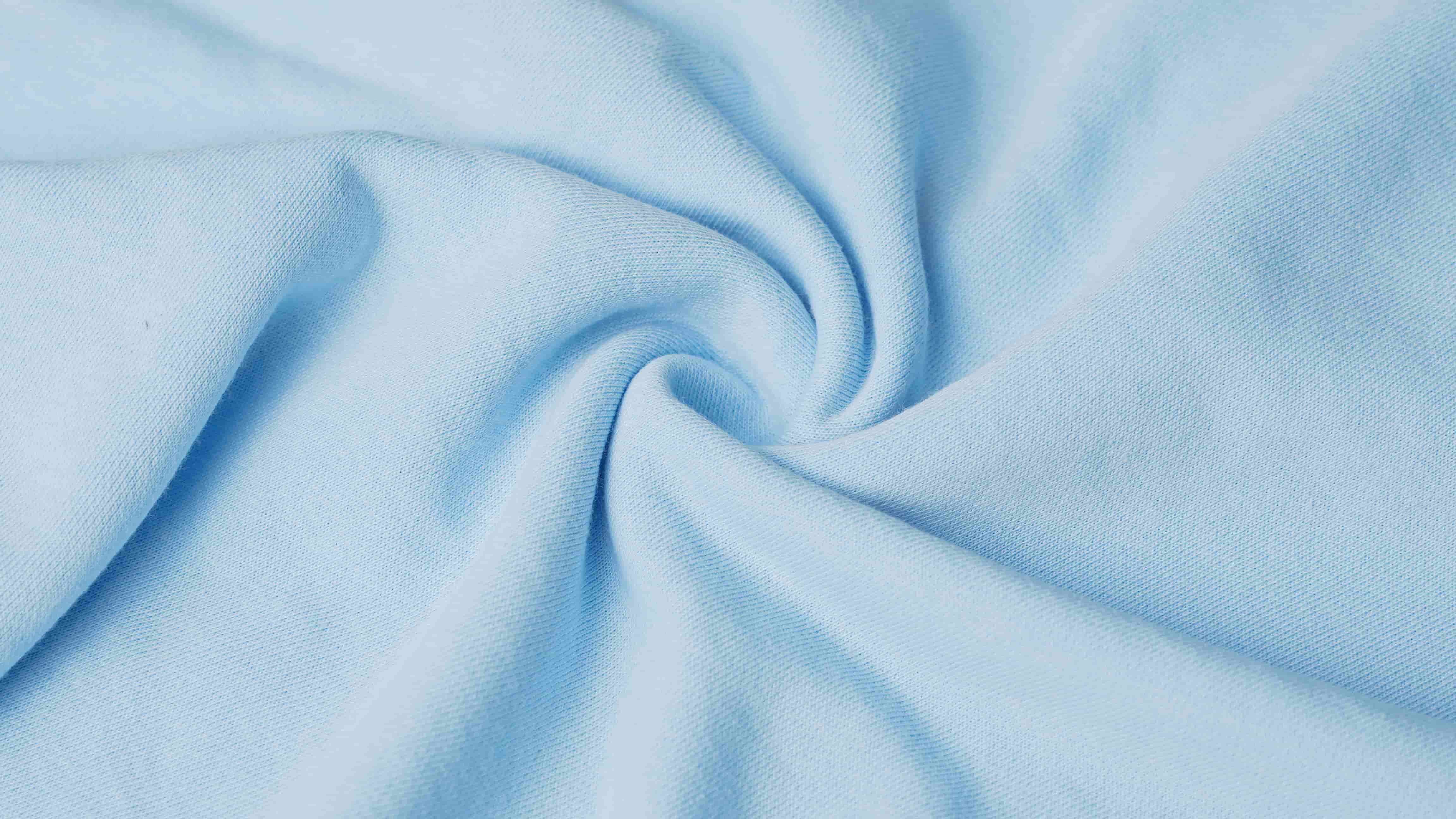
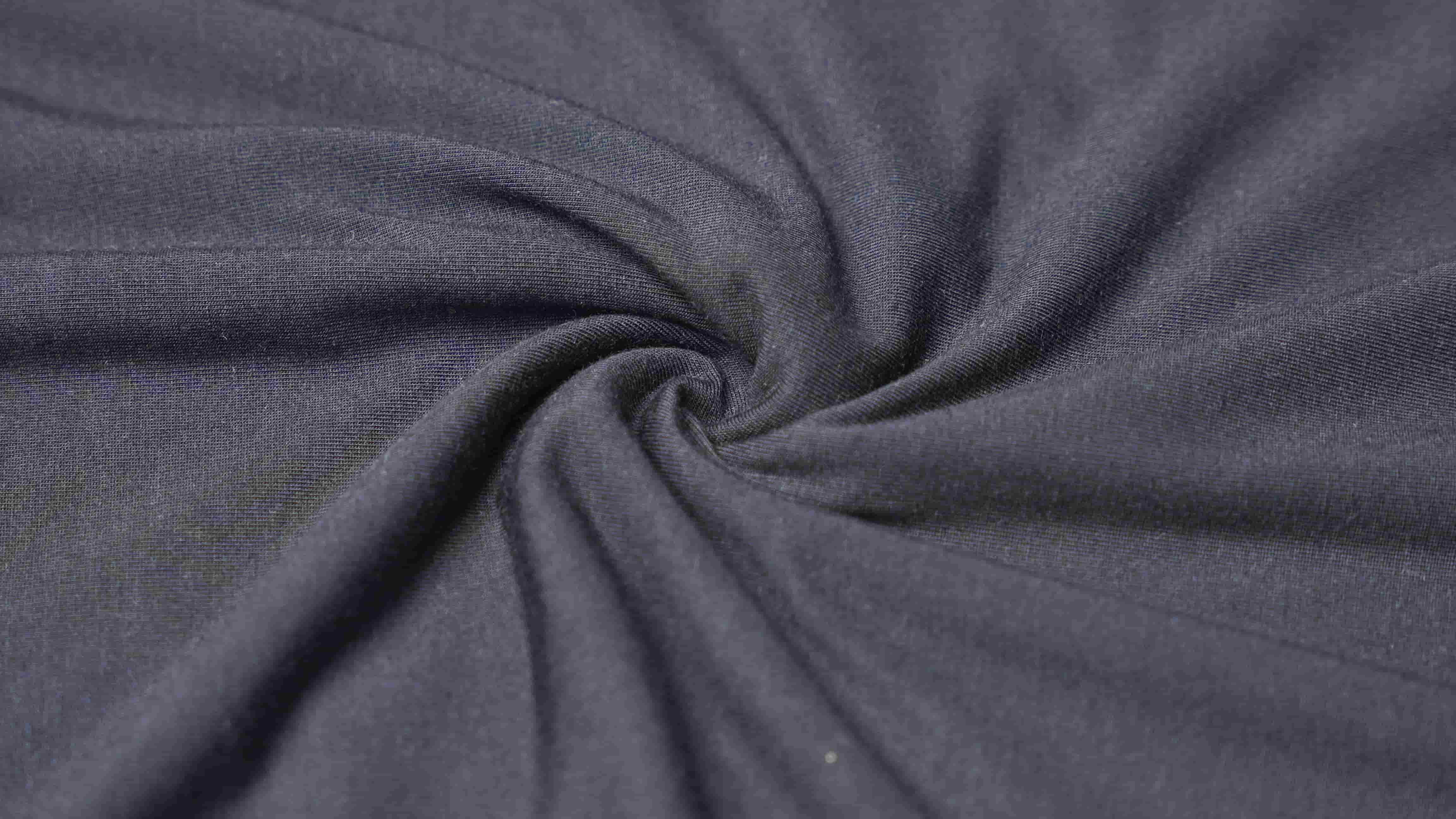
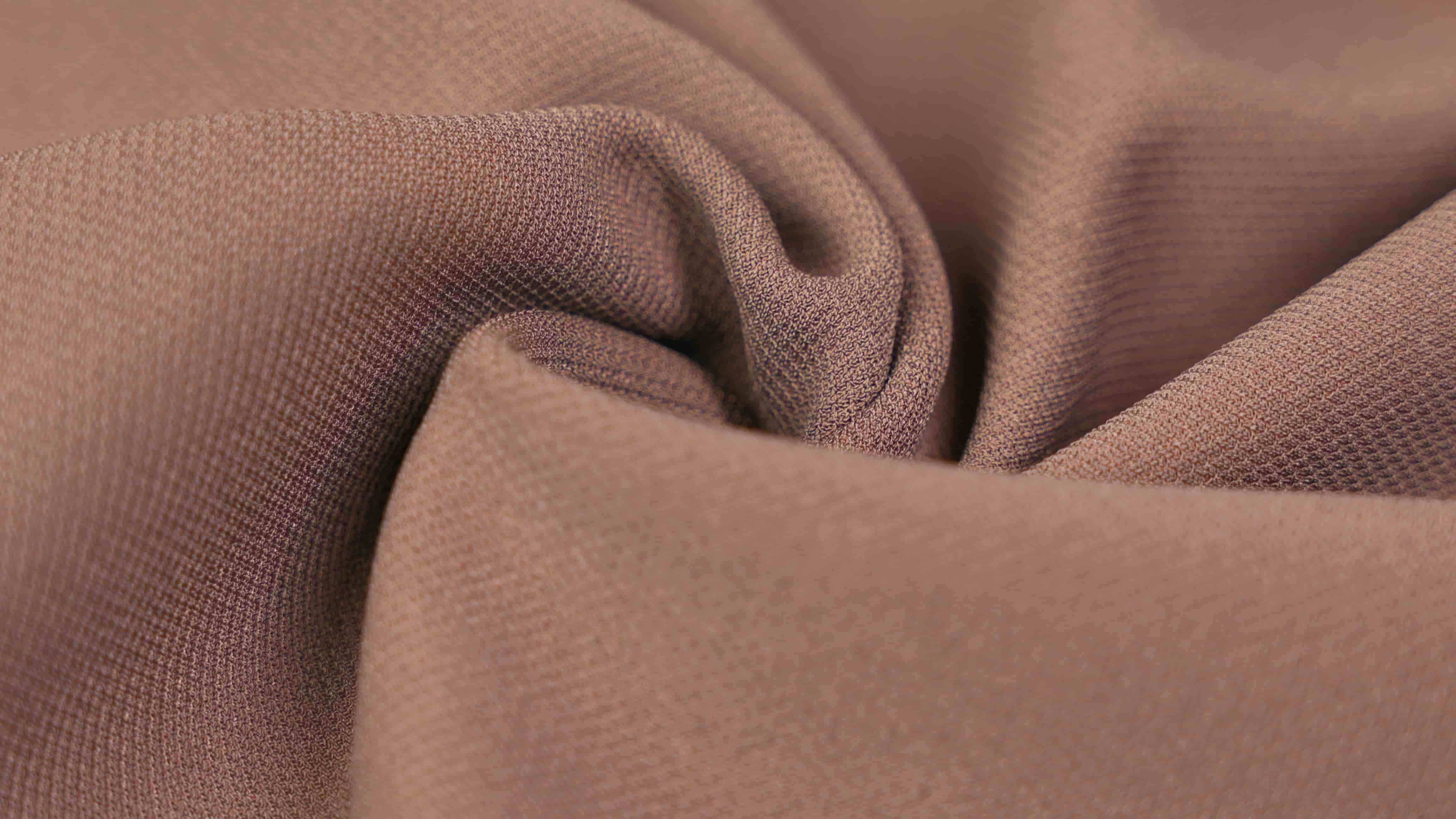
The Great Textile Debate: Understanding the True Identity of Polyester
Many people often feel confused about the composition of polyester when purchasing clothing, home goods, or industrial materials. Is it a natural fiber like cotton, or a synthetic substance derived from petroleum? This confusion is actually quite normal. Polyester often mimics the softness of natural fibers while exhibiting the durability of plastic. To truly understand the debate between polyester and cotton, we first need to delve into an analysis of this material.
Polyester fabric is neither a natural plant-based fiber like cotton nor a protein-based fiber such as wool. Chemically speaking, it is a polymer, most commonly known as polyethylene terephthalate (PET). Essentially, yes—it is a form of plastic. The same substance utilized to manufacture plastic bottles is often extruded into fine fibers to produce fabric. However, in contrast to a plastic bag, textile-grade polyester is designed for breathability, flexibility, and comfort. Recognizing this distinction is vital for businesses that depend on textiles, whether for fashion, outdoor equipment, or upholstery.
Polyester vs. Cotton: A Head-to-Head Comparison
For decades, the debate between polyester and cotton has dominated the textile industry. Both materials serve massive markets, but they cater to different consumer needs. To help you visualize the differences, let’s look at a comparative analysis of their core properties.
| الخاصية | Polyester Fabric | Cotton Fabric |
|---|---|---|
| Source | Synthetic (Petroleum-based) | Natural (Plant-based) |
| Durability | Highly resistant to shrinking, stretching, and abrasion | Moderate; prone to shrinking and wear over time |
| Moisture Management | Hydrophobic (repels water, dries quickly) | Hydrophilic (absorbs moisture, dries slowly) |
| قابلية التنفس | Low to moderate (varies by weave) | High; excellent air circulation |
| Cost | Generally lower and price-stable | Variable; fluctuates based on crop yields |
| Environmental Impact | Non-biodegradable; high microplastic shedding | Biodegradable, but high water/ pesticide usage |
| Wrinkle Resistance | Excellent; retains shape | Poor; requires ironing |
When evaluating polyester fabric vs cotton, it is not a matter of which is universally “better,” but rather which is better for the application. For athletic wear, polyester’s moisture-wicking properties make it superior. For a summer dress in a hot climate, cotton’s breathability is often preferred.
The Rise of Polyester Cotton Blends
One of the most notable advancements in the textile sector is the polyester cotton blend. By merging the superior attributes of both fibers, producers develop fabrics that provide the breathability and comfort associated with cotton, along with the durability and wrinkle-resistance characteristics of polyester.
A common ratio is 65% polyester and 35% cotton. This blend is the standard for workwear, uniforms, and everyday t-shirts because it reduces shrinkage and eliminates the need for ironing while maintaining a natural hand-feel. For businesses selling apparel, promoting a cotton blend often reassures customers who are wary of 100% synthetic materials but still require the performance benefits of plastic-based fibers.
Practical Uses: Where Does Polyester Excel?
Because polyester fabric is highly versatile, it has infiltrated nearly every sector of the commercial market. Understanding these applications helps SEO professionals and content creators target the right audience—whether they are sourcing for outdoor gear or luxury fashion.
1. Activewear and Sportswear
The global sportswear market relies heavily on polyester due to its hydrophobic nature. Unlike cotton, which becomes heavy and cold when wet, polyester fibers do not absorb water. Instead, they channel moisture away from the skin to the surface of the fabric, where it evaporates. This is often enhanced by specialized weaves like polyester mesh fabric, which adds a layer of ventilation.
Statistics show that polyester accounts for approximately 52% of global fiber production. The majority of this production is funneled into activewear, leggings, and high-performance jackets. When optimizing for keywords related to fitness apparel, it is essential to highlight terms like “breathable” and “quick-dry” to capture the specific intent of consumers looking for performance gear.
2. Home Textiles and Upholstery
In home décor, polyester fabric is prized for its stain resistance and color retention. Cotton drapes may fade after repeated exposure to sunlight, but polyester holds dye exceptionally well, making it ideal for curtains and outdoor furniture cushions.
For upholstery, high-traffic areas benefit from the durability of polyester. It does not pill as easily as some natural fibers and can withstand the friction of daily use. When writing for interior design businesses, focusing on “fade-resistant” and “durable upholstery fabric” can help capture search traffic from homeowners and designers looking for low-maintenance solutions.
3. Industrial and Technical Textiles
Beyond fashion and home goods, polyester is a powerhouse in industrial applications. Due to its high tensile strength and resistance to stretching, it is used in conveyor belts, safety belts, and even tire cord. In the outdoor sector, recycled polyester has become a buzzword.
Major brands are shifting toward recycled polyester fabric, often made from post-consumer plastic bottles. This material reduces reliance on virgin petroleum and lowers carbon emissions by up to 32% compared to virgin polyester. For businesses that prioritize sustainability, marketing a recycled polyester line is a powerful way to appeal to eco-conscious consumers.
Environmental Impact: The Plastic Problem
One cannot discuss polyester fabric without addressing its environmental footprint. Since it is a plastic, traditional polyester is non-biodegradable. A polyester garment can take up to 200 years to decompose in a landfill. Furthermore, washing synthetic textiles releases microplastics into waterways—an estimated 35% of all microplastics in the ocean come from the laundering of synthetic textiles.
However, the industry is evolving. Recycled polyester (rPET) offers a partial solution. It uses existing plastic waste to create new fibers, diverting waste from landfills and oceans. According to the Textile Exchange, the use of recycled polyester has grown significantly, though it still only represents about 14% of global polyester production.
For content creators, it is crucial to cover both sides of this issue. While you are promoting the durability and utility of polyester fabric, acknowledging the environmental concerns builds trust with your audience. Using phrases like “sustainable textile options” and “eco-friendly synthetic fibers” can help capture traffic from users who are researching alternatives but still need the performance of synthetics.
How to Identify Quality Polyester Fabric
Not all polyester is created equal. The quality can vary drastically based on the manufacturing process, denier (thickness of the fiber), and finishing treatments. Here are three factors to consider when sourcing or writing about polyester fabric:
-
Fiber Construction: Filament polyester is long, smooth, and often used for silky fabrics like satin or chiffon. Staple polyester is cut to mimic cotton fibers, resulting in a more natural, textured feel that is often used in cotton blend products.
-
Denier: In technical fabrics, denier measures thickness. Lower denier (e.g., 10D or 20D) is used for lightweight, packable jackets. Higher denier (600D or 1000D) is used for heavy-duty luggage and military gear.
-
Finish: Chemical finishes can add properties like flame retardancy, antimicrobial protection, or UV resistance. For businesses selling outdoor gear, highlighting “UV-resistant polyester fabric” is a strong selling point.
Common Myths About Polyester Fabric
There are numerous misconceptions surrounding polyester fabric that can influence consumer purchasing decisions. Many people assume that synthetic textiles are inferior to natural fibers, which can lead to hesitation or bias when shopping for clothing, bedding, or home textiles. Addressing and clarifying these myths in content can help brands build trust with their audience and convert hesitant buyers into informed customers.
Myth 1: Polyester Is Always Uncomfortable
One of the most persistent myths is that polyester is stiff, scratchy, and unpleasant against the skin. While early polyester fabrics from the 1970s were indeed rigid, non-breathable, and prone to static cling, modern manufacturing techniques have transformed the material entirely. Advances such as microfiber production, microfiber blending, and innovative weaving techniques now allow polyester to mimic the softness of silk, cashmere, or high-quality cotton.
Today’s polyester fabric can be engineered for maximum comfort, featuring breathable knit structures, moisture-wicking capabilities, and temperature-regulating properties. This versatility has expanded its use in activewear, performance sportswear, luxury casual wear, and even high-end home textiles, proving that polyester can be as comfortable—if not more so—than many natural fibers.
Myth 2: Polyester Melts on the Skin
Another common misconception is that polyester will melt and stick to the skin if exposed to heat. Technically, polyester has a lower melting point than cotton, approximately 480°F (250°C) compared to cotton’s over 600°F (315°C) combustion point. However, this is largely a concern in industrial or high-heat environments, not for everyday clothing.
Modern polyester garments often undergo treatment with flame-retardant coatings or are blended with other fibers to enhance safety. For ordinary consumers, the likelihood of polyester causing burns or melting on the skin is extremely low. In fact, polyester’s heat resistance is sufficient for washing, ironing at recommended temperatures, and everyday wear, while its durability and wrinkle resistance make it more practical than many natural fabrics for long-lasting clothing and household textiles.
Myth 3: All Polyester Is Bad for the Environment
Many people assume polyester is inherently harmful to the environment because it is synthetic and derived from petrochemicals. While conventional polyester does have environmental challenges, the emergence of recycled polyester fabric (rPET) has created a more sustainable alternative. Recycled polyester is produced from post-consumer plastic bottles or textile waste, reducing landfill use, energy consumption, and greenhouse gas emissions compared to virgin polyester.
Additionally, polyester’s longevity and low-maintenance properties contribute to environmental benefits during its use phase. Unlike cotton, which often requires frequent washing and ironing (consuming significant amounts of water and energy), polyester garments retain their shape, resist wrinkles, and can go longer between washes. Studies show that, depending on consumer habits, the environmental impact of using durable polyester can sometimes be lower than that of natural fibers. This makes recycled polyester fabric not only an eco-friendly choice but also a practical, long-lasting solution for sustainable fashion.
Conclusion: Choosing the Right Fabric for Your Needs
So, is polyester fabric a plastic or cotton? The answer lies in its origin: it is a plastic polymer engineered to mimic some of the best qualities of natural fibers. It is neither a direct substitute for cotton nor a simple plastic sheet. Its value lies in its durability, versatility, and affordability.
For businesses, the choice between polyester and cotton—or a combination of the two—depends entirely on the end use. Athletic wear demands the moisture management of polyester. High-end fashion may require the natural drape of a cotton blend. Industrial applications require the sheer strength of heavy-denier polyester.
As the textile industry moves toward circular economies, innovations in recycled polyester fabric are bridging the gap between performance and sustainability. By understanding the science and practical uses of these materials, businesses can make informed decisions that satisfy both their operational needs and their customers’ ethical standards.
