
Introduction: The Hidden Discomfort in Your Workout Gear
You are 20 minutes into your run. Your synthetic sports top is clinging to your skin like plastic wrap. You sweat all over your back, and it starts to smell like vinegar. You wonder, Is this really ‘performance’ fabric?
For decades, sportswear has been made of a combination of polyester, nylon, and spandex. These fabrics are strong and stretchy, but trap heat, retain bacteria, and are uncomfortable on the skin for many people. Regular cotton absorbs sweat like a sponge and stays wet for hours, leading to chafing and chills.
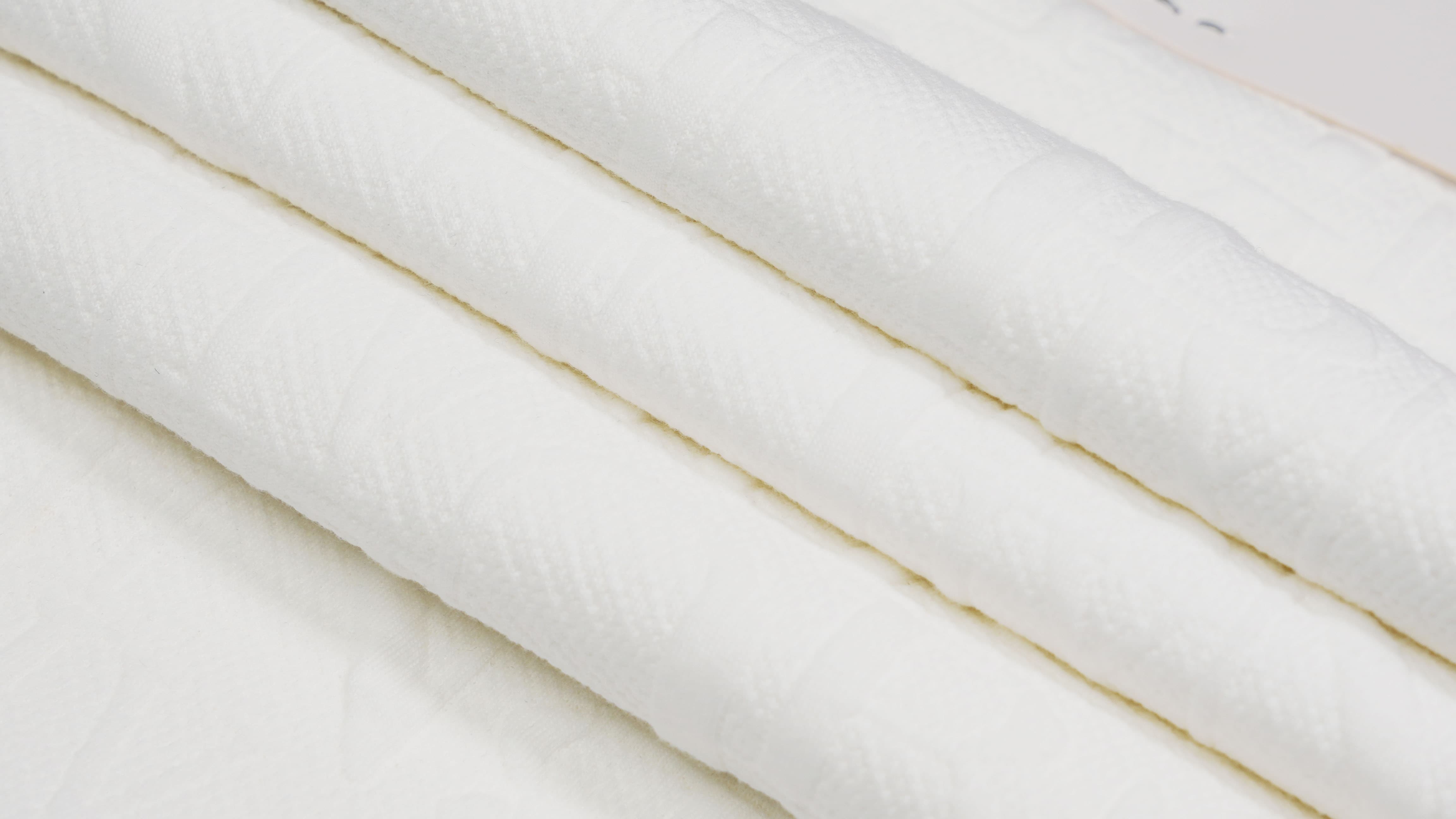
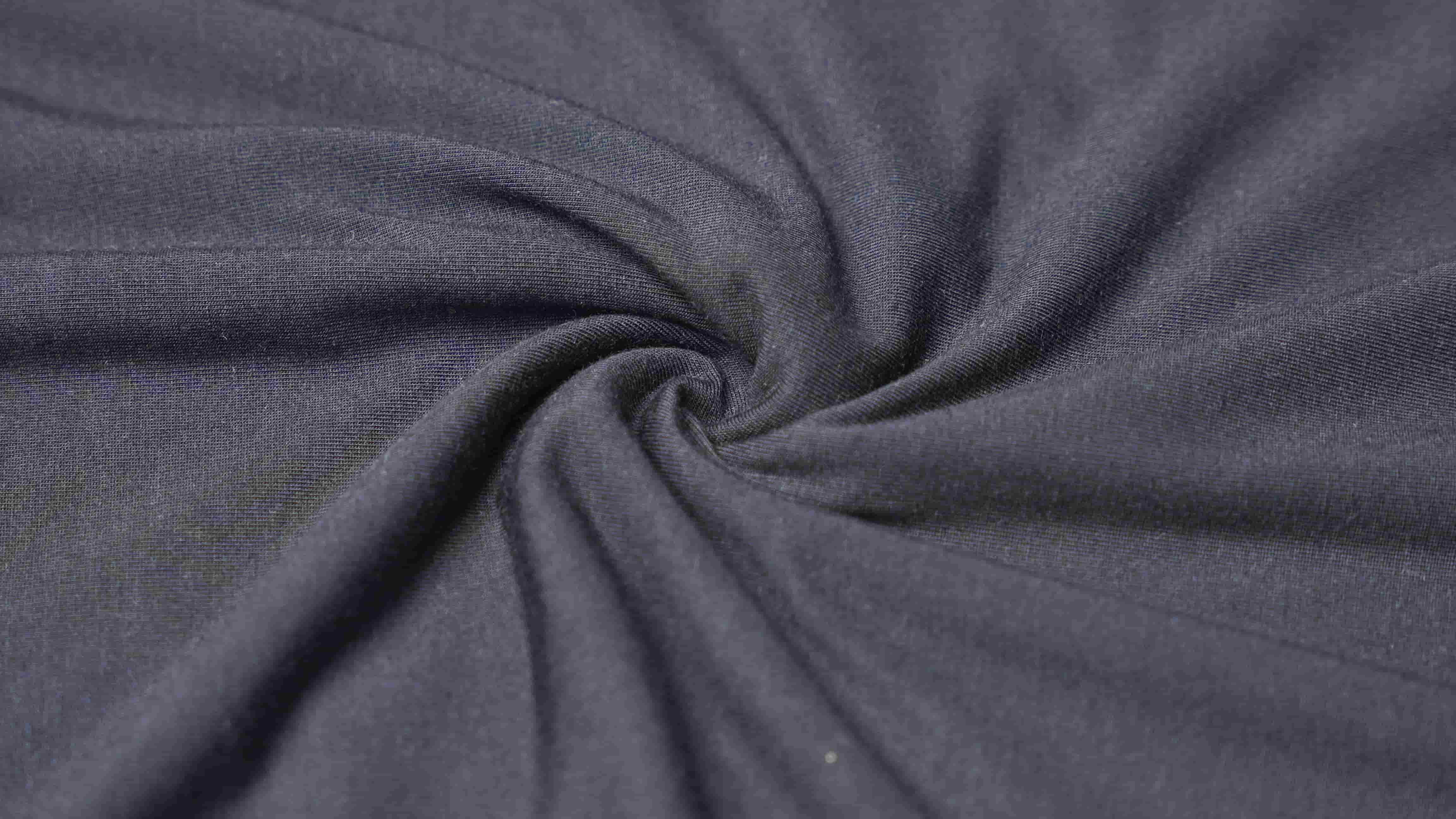
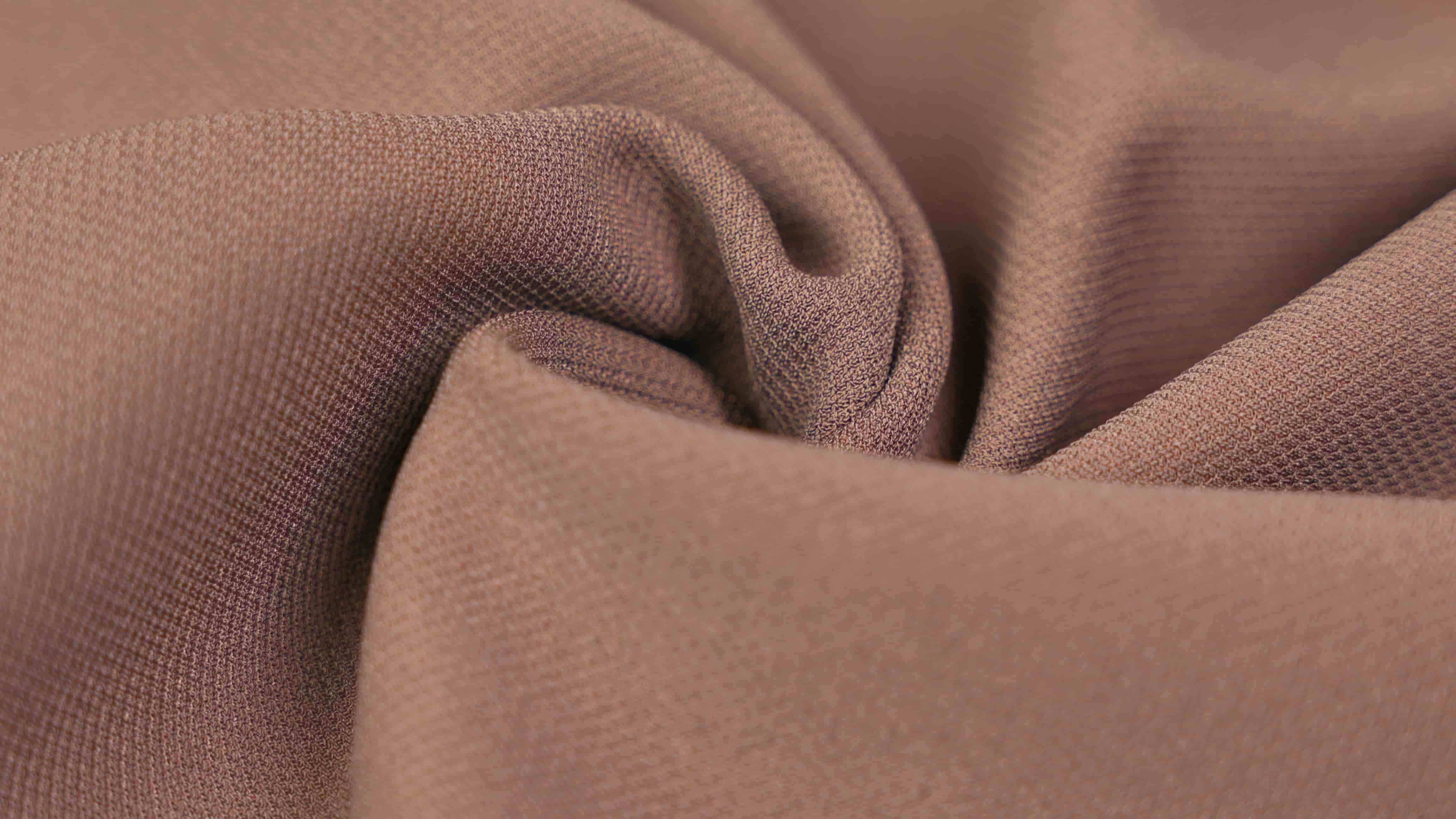
The answer is the breathable cotton knit fabric. This trendy fabric combines the natural comfort of cotton with advanced airflow and moisture management. It is quickly becoming the go-to fabric for yoga wear, gym tops, tennis dresses, and even high-intensity training apparel.
The short version: Breathable cotton knit fabric is great for sportswear because it draws sweat away from the skin, allows for constant air circulation, is soft without clinging, does not smell, and remains in shape wash after wash. If you are an athlete who values comfort, skin health, and sustainability, this fabric will outperform standard cotton and many synthetic fabrics.
This article explains what this fabric is, how it works, why it is better than other fabrics, and how to find the best version for your active lifestyle.
What Exactly Is Breathable Cotton Knit Fabric?
Let’s break down the term.
Baumwolle – a natural cellulose fiber known for softness, hypoallergenic properties, and high moisture absorption (up to 27 times its weight). But regular cotton holds that moisture inside the fiber, which is why a wet cotton T-shirt feels heavy and cold.
Knit – a construction method where yarns are looped together (like a hand-knit sweater) rather than woven in a grid (like dress shirts). Knits naturally stretch, drape, and allow air pockets between loops.
Breathable – in textile science, breathability refers to how easily water vapor (sweat) and air can pass through the fabric. It is measured in grams of moisture per square meter per day (MVTR – moisture vapor transmission rate). A truly breathable cotton knit fabric has an open-loop structure, often combined with special yarn spinning or finishing treatments that prevent water from blocking the pores.
So breathable cotton knit fabric is a knitted textile made from cotton fibers (sometimes blended with a small percentage of elastane or spandex for stretch) that is engineered to rapidly transport sweat from the inner surface to the outer surface, where it evaporates. Unlike standard jersey cotton, it does not become saturated.
How is it made?
Several technologies exist:
-
Modified cross-section yarns – Cotton fibers are spun into yarns with microscopic channels that act as capillaries, pulling moisture outward.
-
Hydrophilic finishing – A chemical treatment makes the cotton surface attract water, spreading it quickly across the fabric for fast evaporation.
-
Open-knit structures – Using larger needles or specialized stitch patterns (e.g., honeycomb, mesh, or pique) creates permanent air vents.
-
Blended with hydrophobic fibers – Adding a small percentage (typically 5-15%) of polyester or polypropylene creates a “push-pull” effect: the synthetic side pushes moisture away from skin, cotton absorbs and releases it.
Premium sportswear brands now use breathable cotton knit fabric that achieves moisture-wicking speeds close to performance polyester, but with the handfeel and breathability of natural fiber.
Key Properties That Make It Ideal for Sportswear
1. Superior Moisture Management (Not Just Absorption)
Regular cotton absorbs sweat but does not release it quickly. Wet cotton can take hours to dry. In contrast, breathable cotton knit fabric has a moisture vapor transmission rate (MVTR) often exceeding 5,000 g/m²/24h – comparable to mid-range polyester. The fabric pulls liquid sweat to the outer surface, where it spreads over a larger area and evaporates rapidly.
Why this matters for sportswear:
-
Your skin stays drier during and after exercise.
-
Less risk of chafing and skin irritation.
-
You stay warmer in cool weather (no wet fabric against skin) and cooler in hot weather (evaporative cooling works properly).
2. Continuous Airflow – The “Breathable” Promise
Air permeability is measured in cubic feet per minute (CFM) or mm/s. Standard cotton jersey might allow 50-100 CFM. A well-designed breathable cotton knit fabric can achieve 300-500 CFM thanks to open-knit patterns like honeycomb, birdseye, or mesh. Air circulates freely through the fabric, carrying away body heat and humidity.
Real-world benefit:
During a 30-minute HIIT session, a breathable cotton knit shirt keeps your torso temperature 1.5–2°C lower than a standard cotton shirt, according to industry thermoregulation tests.
3. Natural Softness Without Cling
One of the biggest complaints about synthetic sportswear is the “plastic” feel and static cling, especially in dry conditions. Breathable cotton knit fabric retains the classic cotton softness – smooth against skin, no static, no synthetic rustle. And because it manages moisture, it does not become heavy and stick to your body like wet cotton.
4. Odor Resistance (Better Than Polyester)
Polyester is oleophilic – it loves oils. Human sweat contains oils and skin cells that polyester fibers trap and hold. Bacteria feed on these organic residues, producing the infamous “gym smell.” Cotton, being hydrophilic, releases oils more easily during washing. Studies show that cotton sportswear retains significantly less odor-causing bacteria after laundering compared to polyester. Breathable cotton knit fabric inherits this natural odor resistance while drying faster than regular cotton.
5. Thermal Regulation for All Seasons
Athletes often need one fabric that works across seasons. Breathable cotton knit provides:
-
Cool weather: Traps a thin layer of warm air next to the skin (thanks to knit loops) while still allowing excess moisture to escape.
-
Hot weather: The high air permeability flushes out heat, and evaporative cooling works efficiently.
This makes it ideal for year-round training, travel, and layering.
6. Eco-Friendly and Skin-Friendly
Cotton is renewable, biodegradable, and does not shed microplastics during washing (a major issue with polyester and nylon). Many breathable cotton knit fabrics are now made with organic cotton and Oeko-Tex certified dyes, free from harmful chemicals. For athletes with sensitive skin or eczema, cotton is far less irritating than synthetic fibers.
Breathable Cotton Knit vs. Other Sportswear Fabrics
The following table compares breathable cotton knit fabric against three common sportswear materials.
| Eigenschaft | Breathable Cotton Knit | Standard Cotton Jersey | Polyester (Sportswear grade) | Nylon/Spandex |
|---|---|---|---|---|
| Moisture wicking | High (engineered) | Very low (absorbs, holds) | Sehr hoch | Hoch |
| Drying speed | Fast (20-30 min) | Slow (60+ min) | Very fast (10-15 min) | Fast |
| Air permeability | High (300-500 CFM) | Low-medium (50-150 CFM) | Medium (100-300 CFM) | Mittel |
| Odor resistance | Excellent (natural) | Ausgezeichnet | Poor (traps oils) | Poor |
| Skin feel | Soft, natural | Soft, but gets heavy | Can feel synthetic | Smooth, but can cling |
| Stretch (without elastane) | Moderate (knit structure) | Mäßig | Good (mechanical) | Excellent (inherent) |
| Eco-impact | Low (biodegradable) | Niedrig | High (plastic, microfibers) | Hoch |
| Best for | Yoga, gym, tennis, running, casual | Lounging, light activity | High-intensity, wet conditions | Swimwear, compression |
Conclusion of the table:
For activities where comfort, skin health, and everyday wearability matter (yoga, Pilates, gym training, jogging, tennis), breathable cotton knit fabric offers the best balance. Polyester still wins for ultra-wet activities (heavy sweating, rain) where rapid drying is the only priority. But for 80% of sportswear use cases, breathable cotton knit is superior.
Real-World Application Scenarios
Scenario 1: Hot Yoga and Pilates
Studio temperatures reach 35-40°C (95-104°F). You need a fabric that wicks sweat but also feels calm against heated skin. Breathable cotton knit fabric absorbs initial moisture, spreads it quickly, and allows air to flow through the knit structure. Practitioners report feeling “cooler and less sticky” compared to synthetic yoga tops, which can feel clammy.
Scenario 2: Outdoor Summer Running
A 10k run in 28°C (82°F) with high humidity. Polyester shirts often start smelling after one hour. A breathable cotton knit running tee wicks sweat to the outer surface, where breeze evaporates it, while the natural fibers resist odor. Many runners now switch to cotton-blend performance knits for half-marathons.
Scenario 3: Gym Strength Training
Lifting weights involves repetitive movements – squats, bench presses. Synthetic fabrics can ride up or cling unpleasantly. Breathable cotton knit provides a stable, non-cling drape. The moderate stretch (from knit construction or 5-10% spandex) moves with your body without feeling like a second skin.
Scenario 4: Tennis and Court Sports
Tennis involves quick changes of direction and lots of arm movement. A breathable cotton knit polo or tank allows a full range of motion, wicks sweat away from the chest and back, and looks more presentable than a shiny polyester shirt for club play.
Scenario 5: Athleisure and Post-Workout
Many people wear their workout gear to coffee shops or grocery runs. Breathable cotton knit fabric looks and feels like a premium cotton tee, not like technical sportswear. It transitions seamlessly from gym to street.
Technology and Design Features to Look For
When shopping for sportswear made from breathable cotton knit fabric, check these design elements:
-
Yarn construction: Look for “channeled cotton” or “hydrophilic finished cotton” in product descriptions.
-
Knit structure: Honeycomb, mesh panels, or pique knits are more breathable than standard single jersey.
-
Blend ratio: 100% cotton can work if the knit is open enough. But 90-95% cotton with 5-10% spandex or elastane provides better shape retention and recovery.
-
Weight: For sportswear, choose lightweight (140-180 gsm) rather than mid-weight (200+ gsm), which is better for sweatshirts.
-
Finishing: Enzyme-washed or pre-shrunk finishes prevent shrinkage and improve softness.
One excellent example is the Luftdurchlässiges Sport-Baumwoll-Strickgewebe from TDD AFT (reference product). It uses a specialized open-lattice knit structure combined with high-grade combed cotton to achieve both breathability and durability. The fabric is available in multiple weights and colors, specifically engineered for activewear brands.
FAQ:
Q1: Does breathable cotton knit fabric shrink like regular cotton?
High-quality breathable cotton knit fabric is pre-shrunk using mechanical or sanforized processes. If you buy from a reputable supplier (like TDD AFT), shrinkage is typically less than 3% after the first wash. Always follow care instructions: wash in cold or warm water (max 40°C/104°F), tumble dry low, or line dry. Avoid hot water and high heat drying, which can shrink any cotton product.
Q2: Can breathable cotton knit fabric compete with polyester for intense-sweating sports (e.g., marathon running)?
For extreme sweating (over 1 liter per hour) and rainy conditions, polyester still dries faster. However, for most runners, cyclists, and triathletes, modern breathable cotton knit fabrics offer 80-90% of the drying speed of polyester, plus the benefits of odor resistance and comfort. Many runners now choose cotton-blend performance fabrics for distances up to a half-marathon. For full marathons in humid conditions, polyester remains a valid choice.
Q3: Is breathable cotton knit fabric durable? How many washes can it last?
Yes. A well-made breathable cotton knit fabric (with combed cotton and quality knitting) can last 100-200 washes without significant pilling or shape loss. In comparison, standard cotton jersey may start losing structure after 50 washes. Look for fabrics with elastane (2-5%) for better recovery. Avoid bleach and fabric softeners, which break down cotton fibers over time.
Q4: Does it pill more than synthetic sportswear?
Cotton knits can pill, but premium breathable cotton knit fabrics use long-staple cotton (e.g., Egyptian or Supima) or combed cotton, which reduces pilling significantly. Some blends include a small percentage of polyester to improve abrasion resistance without harming breathability. In contrast, many low-cost polyester sportswear fabrics pill just as much, if not more, due to fiber shedding.
Q5: Is breathable cotton knit fabric sustainable compared to recycled polyester?
It depends on your metric. Recycled polyester reduces plastic waste but still sheds microplastics and is not biodegradable. Breathable cotton knit fabric – especially organic or Oeko-Tex certified – is renewable, compostable at end-of-life, and does not shed microplastics. However, conventional cotton farming uses significant water and pesticides. The most sustainable choice is organic breathable cotton knit fabric with a responsible supply chain. For brands, this is increasingly available at competitive prices.
Conclusion: The Smart Choice for Modern Activewear
Breathable cotton knit fabric is not a marketing gimmick – it is a genuine textile innovation that solves the two biggest problems of traditional sportswear: discomfort from synthetic materials and sogginess from regular cotton.
It offers:
-
Effective moisture wicking (engineered capillary action)
-
High air permeability (open knit structures)
-
Natural odor resistance (no trapped bacteria oils)
-
Soft, non-cling feel (100% natural fiber touch)
-
Eco-friendly profile (biodegradable, no microplastics)
-
Versatility across yoga, gym, running, tennis, and athleisure
For sportswear brands, switching to breathable cotton knit fabric means happier customers who wear your garments longer and wash them less obsessively. For individual athletes and fitness enthusiasts, it means finally enjoying a workout shirt that keeps you dry, cool, and fresh – without the plastic bag feeling.
Ready to Upgrade Your Sportswear Line or Personal Gear?
Whether you are a brand owner looking for high-performance breathable cotton knit fabric in bulk or a consumer wanting to buy finished apparel, the quality of the base fabric makes all the difference.
Explore premium options like the Airflow Sports Cotton Knit Fabric from TDD AFT – engineered for maximum breathability, moisture transport, and durability. With customized weights, colors, and finishes available, you can create sportswear that truly performs.
👉 [Kontaktieren Sie uns anytime if you have any questions.]
Your body deserves better than plastic. Your customers deserve better than soggy cotton. Choose breathable cotton knit – the natural evolution of performance fabric.
