
Resumen
This article provides an in-depth comparison between knitted fabrics and cotton materials for industrial textile buyers and manufacturers. We examine structural differences, performance characteristics, manufacturing considerations, and commercial applications to help B2B decision-makers select optimal fabric solutions for their production needs.
Understanding that “knitted” refers to a construction method while “cotton” denotes a fiber type is crucial for making informed sourcing decisions. This guide clarifies common misconceptions and delivers actionable insights backed by industry standards and performance data.
Understanding Fabric Structure: Knitted Construction vs. Cotton Fiber Composition
What Defines Knitted Fabric Construction
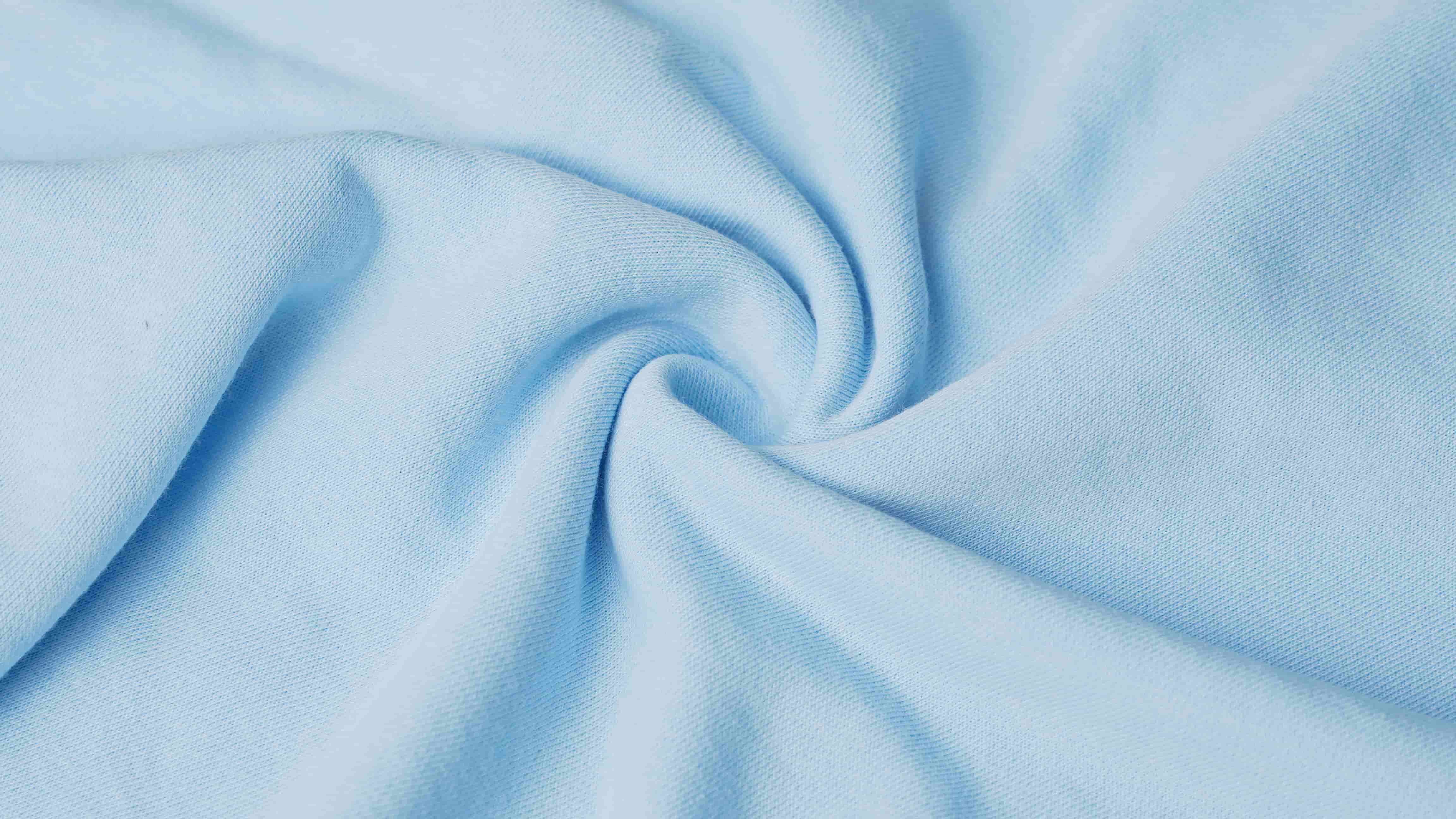
Knitted fabric is characterized by its loop-based interlocking structure, where continuous yarns form interconnected loops in horizontal and vertical directions. This fundamental construction method creates inherent elasticity and flexibility that distinguishes knits from woven textiles.
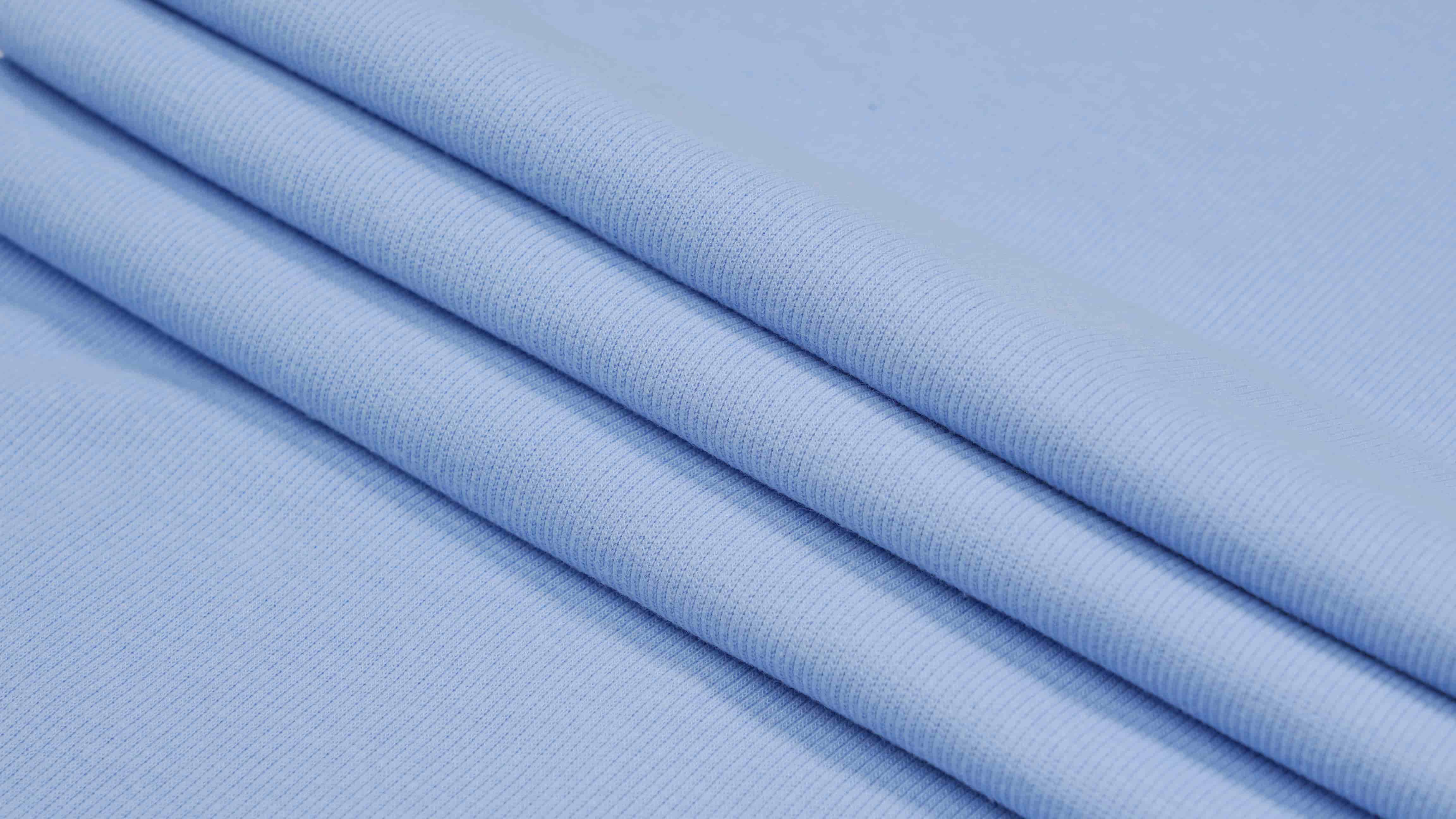
Weft Knitting involves forming loops in horizontal rows using a single yarn system, producing fabrics on flat or circular machines. This method accounts for approximately 85% of commercial knit production and generates fabrics with natural stretch in both directions. Common weft knit structures include jersey, rib, and interlock, each offering distinct performance characteristics.
Warp Knitting creates loops in vertical columns using multiple yarn systems simultaneously. Tricot and raschel machines produce these fabrics, which exhibit greater dimensional stability and reduced stretch compared to weft knits. Warp knitting is preferred for technical textiles requiring controlled stretch properties.
The elasticity mechanism in knitted fabrics derives from loop geometry rather than fiber content. When tension is applied, loops elongate and distort; upon release, they recover to their original configuration. This structural elasticity provides 15-40% stretch depending on knit type, yarn composition, and loop density (measured in wales and courses per inch).
Cotton as a Raw Material vs. Fabric Type
Cotton is a natural cellulosic fiber harvested from Gossypium plants, not a fabric construction method. This distinction is critical for B2B buyers: cotton fibers can be processed into both knitted and woven fabrics, each delivering different performance profiles.
Cotton Fiber Properties include:
- Moisture regain of 7-8.5% at standard conditions (65% RH, 20°C)
- Tensile strength of 3-5 g/denier for medium-staple varieties
- Natural breathability due to hollow fiber structure
- Absorbency capacity up to 27 times its weight
When comparing “knitted fabric vs. cotton,” the accurate framework examines:
- Cotton knitted fabrics (jersey, piqué, fleece)
- Cotton woven fabrics (poplin, twill, canvas)
- Synthetic knitted fabrics (polyester jersey, nylon tricot)
Each category serves distinct commercial applications. A 100% cotton jersey knit offers superior comfort and drape for casualwear, while a polyester knit provides enhanced moisture-wicking for activewear. The comparison scope must specify both fiber content and construction method to yield meaningful insights for procurement decisions.
Technical Performance Comparison: Knitted Fabrics vs. Cotton Materials
Stretch Recovery and Dimensional Stability
Elasticity Metrics: Knitted structures inherently provide 20-35% bi-directional stretch in weft knits and 10-20% in warp knits, regardless of fiber content. Cotton woven fabrics typically offer less than 5% stretch unless blended with elastane (2-5% by weight).
Shape Retention Testing per ASTM D2594 measures dimensional change after repeated washing cycles:
- 100% Cotton Knit: 3-5% shrinkage after five home laundry cycles
- Cotton/Polyester Blend Knit (60/40): 1-2% shrinkage with improved recovery
- 100% Cotton Woven: 2-4% shrinkage with minimal stretch properties
Industrial Durability Standards: Knitted fabrics demonstrate superior resistance to tearing due to loop mobility, which distributes stress across multiple connection points. Woven cotton fabrics excel in abrasion resistance, withstanding 15,000-25,000 Martindale cycles compared to 10,000-18,000 for standard cotton knits.
Recovery performance after 5,000 extension cycles (ASTM D3107):
- Polyester knit: 92-95% recovery to original dimensions
- Cotton/spandex knit: 88-92% recovery
- 100% cotton knit: 75-82% recovery
Breathability, Moisture Management, and Thermal Properties
Air Permeability Rates measured per ASTM D737 reveal significant differences:
- Lightweight cotton jersey: 180-250 cm³/cm²/s
- Medium-weight cotton interlock: 120-180 cm³/cm²/s
- Cotton woven poplin: 80-140 cm³/cm²/s
- Polyester mesh knit: 350-500 cm³/cm²/s
Wicking Performance: Cotton fibers absorb moisture into their structure (vertical wicking rate: 8-12 cm/30 min), while synthetic knits transport moisture along fiber surfaces (15-25 cm/30 min). For high-performance applications requiring rapid moisture evacuation, polyester or nylon knits outperform cotton by 40-60%.
Thermal Conductivity Values:
- Cotton knit fabrics: 0.06-0.08 W/m·K (moderate insulation)
- Polyester knit fabrics: 0.04-0.06 W/m·K (better insulation)
- Cotton woven fabrics: 0.07-0.09 W/m·K (variable based on density)
Performance Metrics Comparison Table
| Fabric Type | Stretch (%) | Air Permeability (cm³/cm²/s) | Moisture Regain (%) | Resistencia al pillado (grado) | Durability (Cycles) |
|---|---|---|---|---|---|
| 100% Cotton Knit | 25-35 | 180-250 | 7.5-8.5 | 3-4 | 12,000-18,000 |
| Cotton-Blend Knit (60/40) | 30-40 | 200-280 | 5.5-6.5 | 4 | 18,000-25,000 |
| Polyester Knit | 35-50 | 300-450 | 0.4-0.8 | 4-5 | 25,000-35,000 |
| 100% Cotton Woven | 2-5 | 80-140 | 7.5-8.5 | 4-5 | 20,000-30,000 |
Testing standards: ASTM D2594 (stretch), ASTM D737 (permeability), ISO 12945-2 (pilling), ISO 12947-2 (Martindale abrasion)
Manufacturing and Commercial Considerations for B2B Buyers
Production Efficiency and Cost Analysis
Knitting Speed vs. Weaving: Modern circular knitting machines produce 25-40 kg of fabric per machine per day, while flat knitting machines yield 8-15 kg daily depending on gauge and pattern complexity. Weaving looms typically produce 200-400 linear meters daily, with air-jet looms reaching 600+ meters for plain weaves.
Material Waste Rates:
- Circular knitting: 2-5% waste (primarily from defects and edge trimming)
- Flat knitting (fully-fashioned): 0-2% waste with computer-controlled shaping
- Weaving: 8-12% waste (warp preparation, selvage, sample cuts)
This waste differential significantly impacts cost structures for large-volume orders exceeding 5,000 kg.
MOQ Requirements:
- Stock knitted fabrics: 300-500 meters per color for standard constructions
- Custom knitted development: 1,000-2,000 meters including sampling
- Woven cotton fabrics: 1,500-3,000 meters per colorway due to loom setup costs
Price Per Yard Comparison (FOB Asia, 2024 estimates):
- Basic cotton jersey (160-180 GSM): $2.80-$3.50/yard
- Cotton/polyester blend knit (180-200 GSM): $3.20-$4.10/yard
- Polyester performance knit (140-160 GSM): $3.50-$4.80/yard
- Cotton woven poplin (120-140 GSM): $2.50-$3.20/yard
Lead times for knitted fabrics average 25-35 days from order confirmation, while woven cotton fabrics require 35-45 days due to additional preparation processes.
End-Use Applications and Market Positioning
Apparel Categories:
Activewear: Polyester and nylon knits dominate this $353 billion market (2024), offering moisture management and stretch recovery essential for athletic performance. Cotton/spandex blends (95/5) capture the yoga and leisure fitness segment where natural fiber content appeals to sustainability-conscious consumers.
Casualwear: Cotton jersey knits remain the standard for T-shirts, with global demand exceeding 2.8 billion units annually. Ring-spun cotton knits (180-200 GSM) command premium positioning for retail brands emphasizing comfort and printability.
Uniforms and Workwear: Cotton/polyester blend knits (65/35) balance durability with comfort for hospitality, healthcare, and corporate uniforms. Industrial laundry performance (100+ wash cycles at 75°C) favors these blends over 100% cotton constructions.
Textiles técnicos: Warp-knit spacer fabrics serve automotive seating, orthopedic supports, and protective equipment markets. These engineered textiles leverage knit construction’s three-dimensional capabilities impossible in woven formats.
Compliance Requirements:
- Oeko-Tex Standard 100: Mandatory for apparel contacting skin; tests for 300+ harmful substances
- GOTS (Global Organic Textile Standard): Required for organic cotton claims; covers fiber certification through final product
- REACH (EU): Restricts 2,300+ chemicals; critical for European market access
- CPSIA: Lead and phthalate testing for children’s products in North American markets
Quality Standards and Compliance Requirements
International Textile Standards for Knitted and Cotton Fabrics
ISO 13934 series governs tensile strength testing for both knitted and woven fabrics. Part 1 (strip method) applies to woven fabrics, while Part 2 (grab method) suits knitted constructions due to their extensibility. Minimum breaking strength specifications vary by application:
- Apparel knits: 150-200 N (raveled strip method)
- Technical knits: 300-500 N depending on end-use
- Cotton woven shirting: 250-350 N
AATCC Test Methods critical for B2B quality control:
- AATCC 135: Dimensional change in automatic home laundering (standard for shrinkage claims)
- AATCC 61: Colorfastness to laundering (minimum Grade 4 for commercial apparel)
- AATCC 22: Water repellency testing for treated fabrics
- AATCC 79: Absorbency of textiles (relevant for toweling and activewear)
EU REACH Regulations require registration of chemical substances exceeding one ton annually. For textile importers, this mandates:
- Supplier declarations for dyes, finishing chemicals, and auxiliaries
- SVHC (Substances of Very High Concern) content below 0.1% by weight
- Documentation retention for three years post-import
Labeling Requirements per FTC (USA) and EU Regulation 1007/2011:
- Fiber content disclosure (±3% tolerance for components >5%)
- Country of origin identification
- Care instruction symbols per ISO 3758
- Manufacturer/importer identification
Quality assurance protocols should include AQL (Acceptable Quality Limit) sampling per ISO 2859-1, with typical apparel standards of AQL 2.5 for critical defects and AQL 4.0 for major defects.
Módulo de preguntas frecuentes
Q1: Can knitted fabric be made from 100% cotton, and how does it differ from woven cotton?
Yes, 100% cotton knitted fabrics are widely produced for T-shirts, underwear, and casualwear. The primary differences lie in construction method rather than fiber content. Cotton knit fabrics feature interlocking loops that provide 25-35% stretch and superior drape, making them ideal for body-conforming garments.
Cotton woven fabrics use interlaced yarns in perpendicular directions, creating a stable structure with minimal stretch (under 5% without elastane) suited for structured garments like dress shirts and workwear. Both offer cotton’s natural breathability and comfort, but knit construction delivers flexibility while woven construction provides dimensional stability and formal appearance.
Q2: Which fabric type offers better durability for high-volume commercial production?
Durability depends on specific application requirements. Cotton woven fabrics excel in abrasion resistance (20,000-30,000 Martindale cycles) and tear strength, making them superior for workwear, hospitality linens, and items subjected to repeated industrial laundering. Polyester knits outperform cotton knits in colorfastness retention and dimensional stability after 100+ wash cycles, ideal for uniforms requiring frequent laundering at high temperatures.
For apparel requiring stretch and recovery, cotton/polyester blend knits (60/40 or 65/35) offer optimal balance, maintaining shape through 50+ home laundry cycles while providing comfort. Volume buyers should specify performance requirements—abrasion resistance, laundering frequency, stretch needs—to determine appropriate fabric construction and fiber blend.
Q3: What are the lead time differences between sourcing knitted fabrics vs. cotton woven materials?
Knitted fabrics typically offer shorter lead times: 25-35 days from order confirmation for stock constructions, and 40-50 days for custom developments including lab dips and strike-offs. Woven cotton fabrics require 35-45 days for stock qualities and 55-70 days for custom specifications due to additional processes (warp preparation, loom setup, desizing).
Circular knit production provides fastest turnaround, with some suppliers offering 15-20 day expedited service for standard jersey constructions in stock yarn colors. For urgent orders, consider stock-supported programs where mills maintain greige fabric inventory for rapid dyeing and finishing. Minimum order quantities significantly impact lead times—smaller orders (under 1,000 meters) may experience delays as suppliers batch similar orders for production efficiency.
Conclusión
The question “Is knitted fabric better than cotton?” requires reframing: knitted construction and cotton fiber content represent different fabric dimensions that can combine or exist independently. B2B buyers must evaluate fabric selection based on four critical decision factors:
Requisitos de rendimiento: Specify stretch needs (%), moisture management expectations, durability standards (Martindale cycles), and thermal properties aligned with end-use applications.
Production Scale: Orders below 1,000 meters favor knitted fabrics with lower MOQs and setup costs, while volumes exceeding 5,000 meters can justify woven fabric development for specialized constructions.
Target Market: Consumer preference trends toward natural fibers support cotton knit selection for casualwear and basics, while technical performance demands in activewear favor synthetic knits. Hybrid cotton/synthetic blends capture both segments.
Budget Constraints: Cotton jersey knits offer competitive entry pricing ($2.80-$3.50/yard), while performance polyester knits command premium positioning ($3.50-$4.80/yard) justified by extended durability and functional properties.
Recommendation Framework: For comfort-driven apparel with moderate stretch requirements, select cotton or cotton-blend knits. For dimensional stability and formal appearance, choose cotton woven fabrics. For high-performance applications requiring moisture management and durability, specify polyester or nylon knits. Successful fabric sourcing aligns construction method and fiber content with specific commercial objectives rather than seeking universal superiority of one category over another.
