
Abstract:
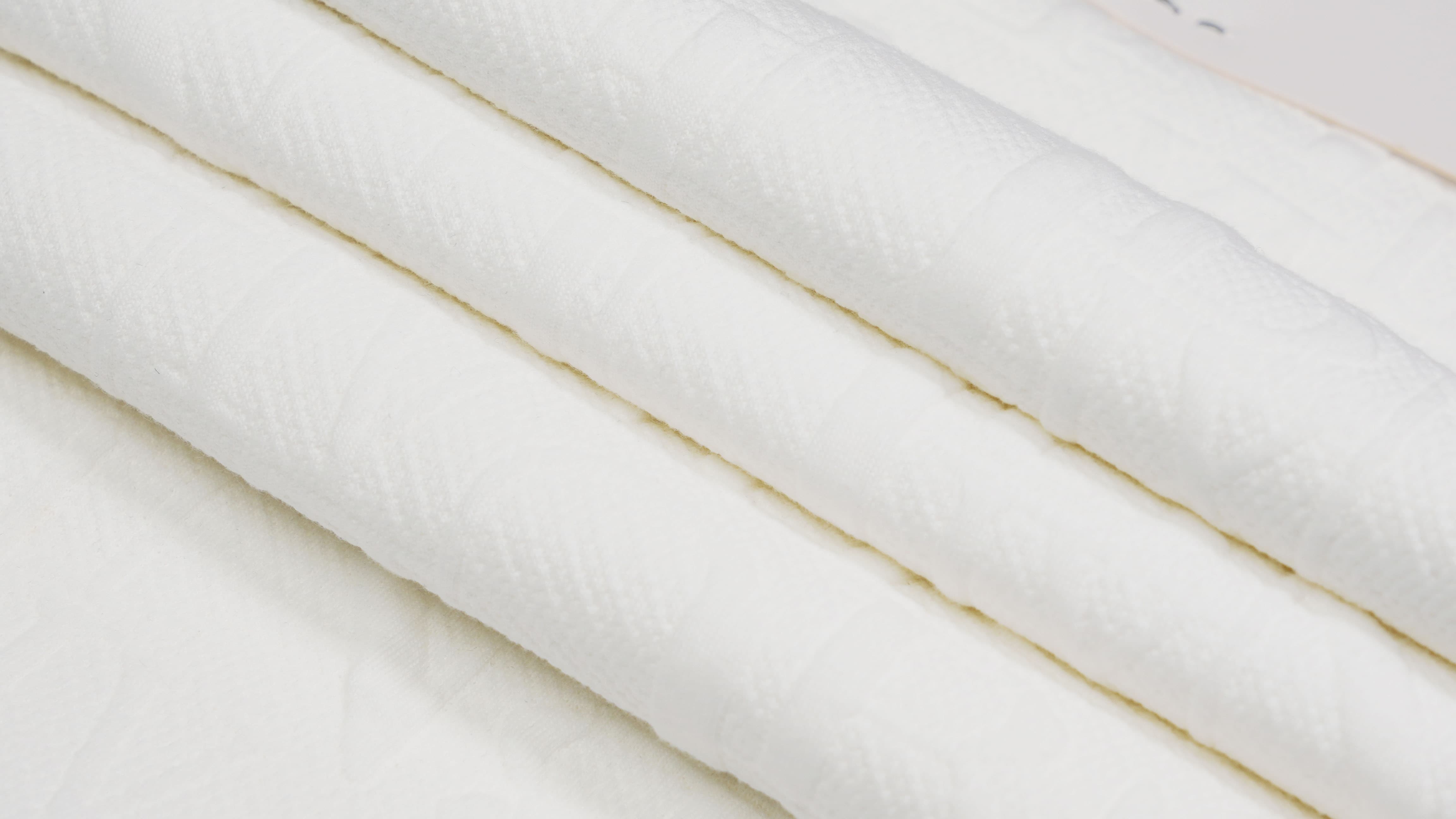
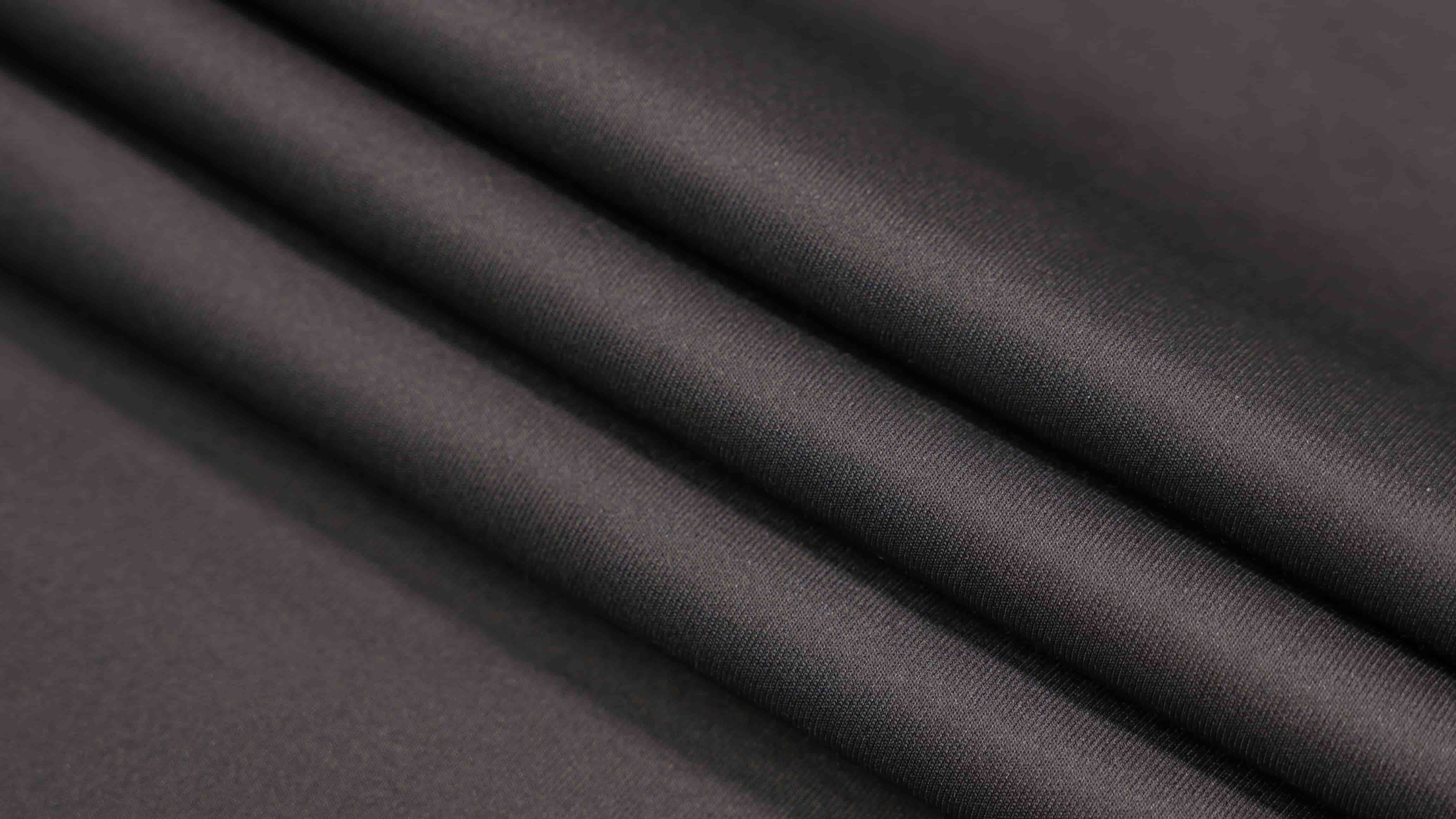
Knit fabric is crafted through the interlooping of yarns, resulting in flexible, stretchable, and highly comfortable textiles that are widely utilized in clothing, sportswear, upholstery, and technical applications.
Research featured in the Textile Research Journal by SAGE Publishing and analyses from The Textile Institute highlight that knitted fabrics possess distinct advantages over woven ones due to their loop-based structure. This unique construction lends superior elasticity, fluid drape, and adaptability to dimensions.
Further classification in textile engineering, as outlined by ISO standards, categorizes knit fabrics according to loop formation techniques, machinery configurations, and the requirements of specific end uses.
This comprehensive industry guide for 2026 delves into the four main types of knit fabrics—comprising weft knit, warp knit, rib knit, and interlock knit.
It also provides an in-depth examination of structural mechanics, fiber compatibility, production processes, performance attributes, sustainability advances, and commercial applications.
Introduction: Why Understanding Knit Fabric Types Matters in 2026?
The global textile industry has increasingly gravitated toward comfort-focused performance materials. Features like stretch, softness, breathability, and shape retention have transitioned from desirable extras to baseline expectations in casualwear, athleisure, and even formal clothing.
As consumer preferences continue to evolve, gaining a thorough understanding of knit fabric classifications is crucial for designers and manufacturers. This knowledge allows them to refine products for better functionality, cost-efficiency, and long-lasting durability.
Unlike woven textiles, which are crafted by interlacing warp and weft yarns at right angles, knit fabrics are formed through yarns interlooping with one another. This unique structure gives knit fabrics their signature qualities, such as:
- – Natural stretch and rebound
- – Superior comfort and range of motion
- – A soft, pleasing texture
- – High scalability in production
Despite these shared traits, not all knit fabrics react or perform in the same way. The four primary categories of knit fabric cater to different structural needs and commercial objectives. Choosing the right type of knit fabric has a direct impact on the following key aspects:
- – Garment shape and structure
- – Fabric longevity
- – Production costs
- – Market positioning
- – Functional performance
This comprehensive guide provides an in-depth analysis of the four main types of knit fabrics, offering valuable insights into their technical characteristics and commercial applications.
The 4 Types of Knit Fabric Overview
Before diving into a detailed analysis, here is a structural overview:
| Knit Fabric Type | Construction Method | Stretch Direction | Stability | Common Applications |
| Tejido de trama | Single yarn fed horizontally | High widthwise | Moderado | T-shirts, sweaters |
| Punto por urdimbre | Multiple yarns are fed vertically | Controlled stretch | Alta | Activewear, lingerie |
| Rib Knit | Alternating knit & purl wales | Excellent elasticity | Alta | Cuffs, collars |
| Interlock Knit | Double-knit interlocking loops | Balanced stretch | Muy alta | Premium T-shirts |
-
Weft Knit Fabric
Structural Characteristics
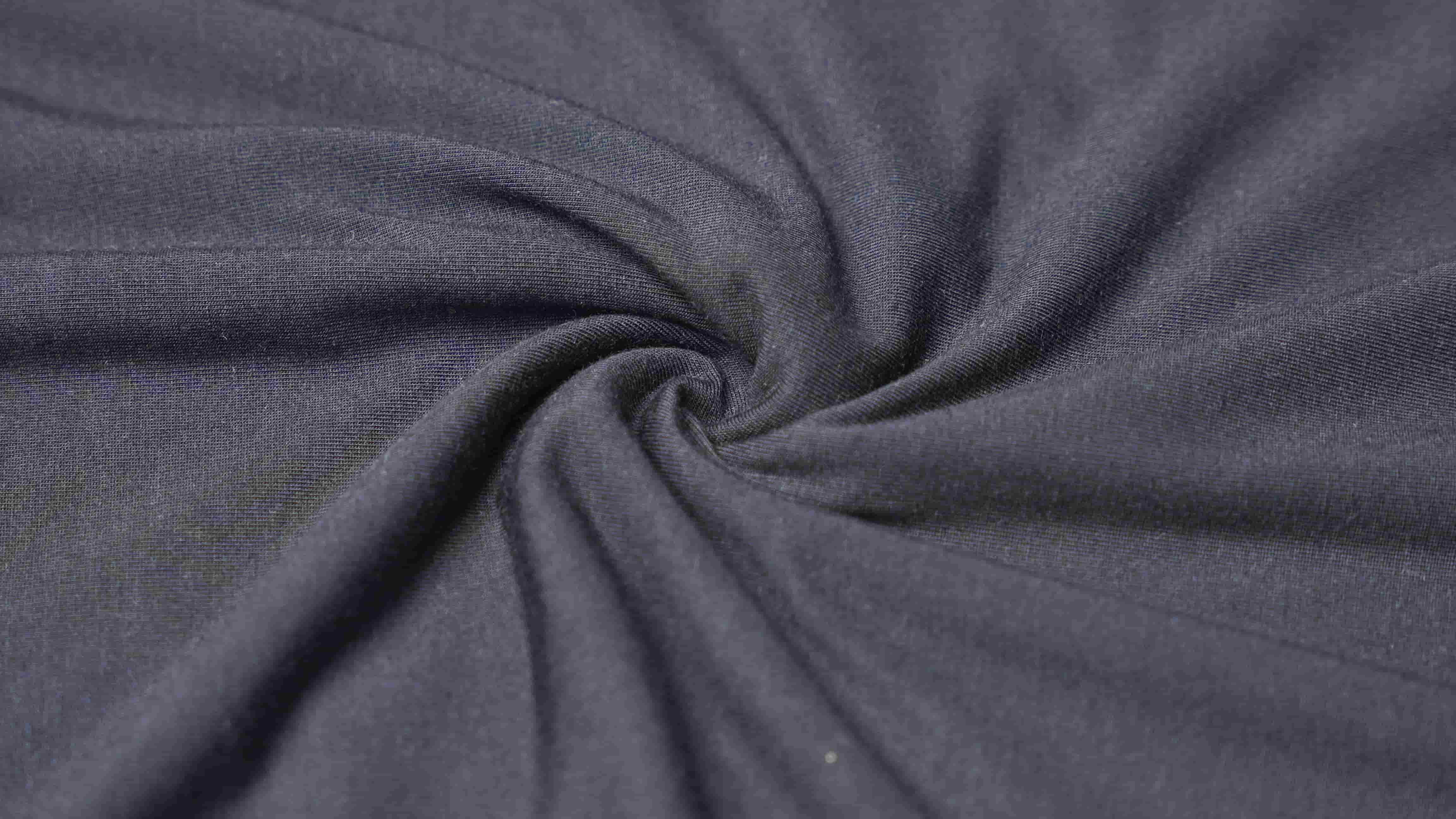
Weft knit fabric is the most common type of knit construction. It is produced by feeding a single yarn across the fabric width, forming horizontal rows known as courses. The loops interconnect row by row, creating a flexible structure with natural widthwise stretch.
Common examples include:
- Jersey knit
- Single knit
- Purl knit
The mechanical structure allows loops to move freely, which gives weft knit its signature softness and drape.
Performance Features
Weft knit fabric offers:
- High elasticity across the width
- Lightweight feel
- Comfortable stretch
- Good breathability
However, it is less dimensionally stable than warp knit, meaning it may curl at edges or shrink if not properly finished.
Applications
Weft knit dominates casual apparel, including:
- Camisetas
- Lightweight sweaters
- Loungewear
- Base layers
Its affordability and production speed make it ideal for mass-market fashion.
-
Warp Knit Fabric
Structural Characteristics
Warp knit fabric is constructed using multiple yarns simultaneously, each forming vertical loops along the fabric length. This structure prevents runs and laddering, improving durability.
Unlike weft knit, warp knit requires specialized machinery such as tricot or raschel knitting machines.
Performance Features
Warp knit offers:
- Superior dimensional stability
- Reduced fabric curling
- High resistance to snagging
- Better structural integrity
Stretch is controlled rather than excessive, making it ideal for performance applications.
Applications
Warp-knit fabric is widely used in:
- Activewear
- Swimwear
- Lingerie
- Sports mesh
- Automotive textiles
Its durability makes it suitable for technical and industrial uses.
-
Rib Knit Fabric
Structural Characteristics
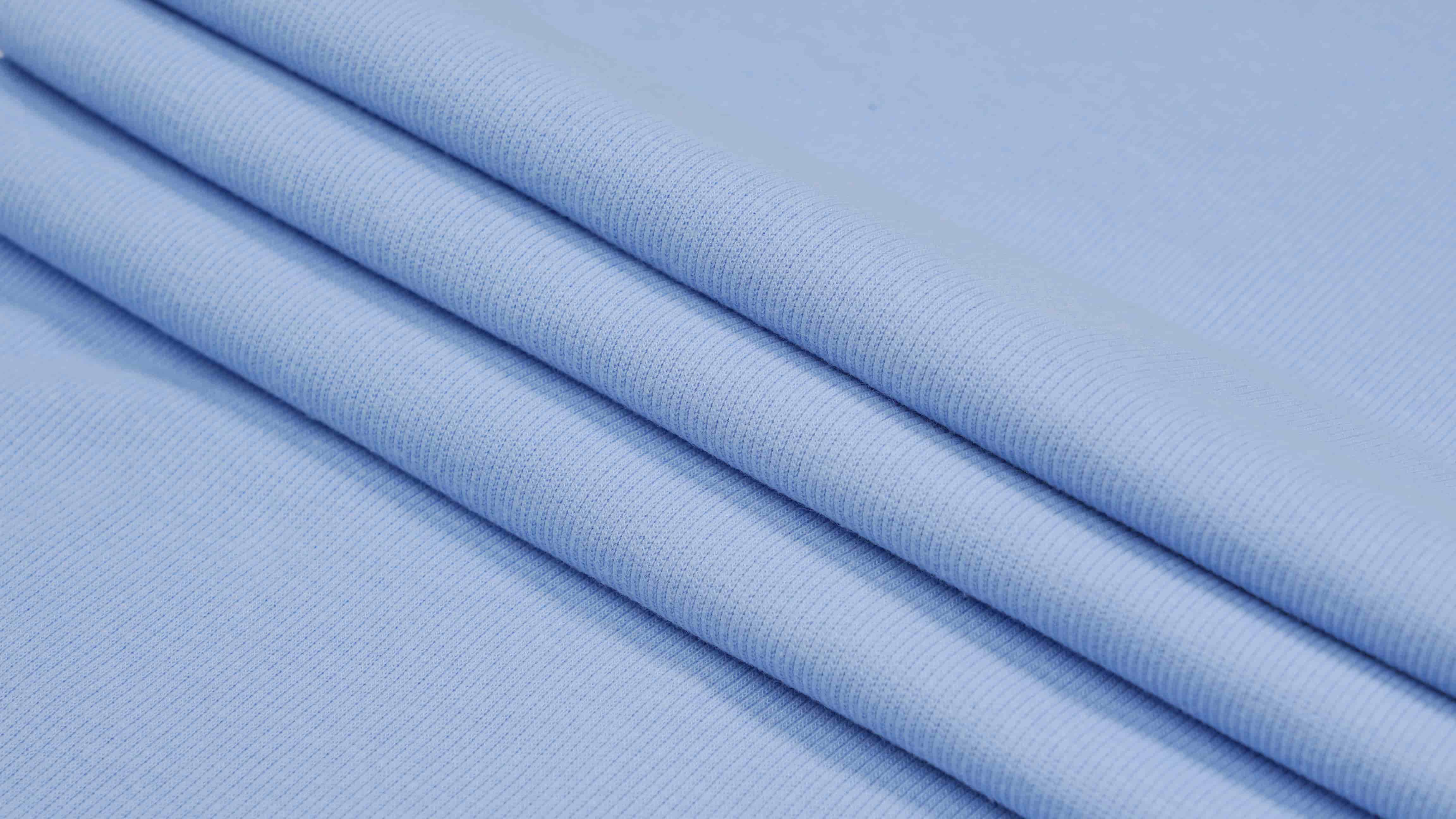
Rib knit fabric alternates knit and purl stitches within the same row, creating vertical ribbed patterns. This construction enhances elasticity and recovery.
Common rib structures:
- 1×1 rib
- 2×2 rib
The fabric appears identical on both sides and stretches significantly across the width.
Performance Features
Rib knit provides:
- Exceptional elasticity
- Strong recovery
- Comfortable body fit
- Shape retention at edges
Because of its stretch properties, rib knit is often used in garment openings.
Applications
- Sleeve cuffs
- Necklines
- Waistbands
- Fitted tops
Rib knit enhances garment fit without requiring elastane in some designs.
-
Interlock Knit Fabric
Structural Characteristics
Interlock knit is a double-knit construction where two layers of knit loops interlock. This creates a thicker, smoother fabric with identical surfaces on both sides.
The interlocking structure increases fabric density and durability.
Performance Features
Interlock knit offers:
- High-dimensional stability
- Soft surface finish
- Balanced stretch
- Reduced transparency
- Improved durability
Compared to a single jersey, interlock feels more substantial and premium.
Applications
- Premium T-shirts
- Baby clothing
- Activewear
- Polo shirts
Interlock knit is often chosen when quality perception matters.
Structural Comparison of the 4 Knit Fabric Types
| Propiedad | Tejido de trama | Punto por urdimbre | Rib Knit | Interlock Knit |
| Elasticidad | Alta | Moderado | Very High | Moderado |
| Stability | Moderado | Alta | Alta | Very High |
| Thickness | Thin-Medium | Thin-Medium | Medio | Medium-Heavy |
| Curling Edges | Yes | No | No | No |
| Durability | Moderado | Alta | Alta | Very High |
Fiber Compatibility in Knit Fabrics
Various fibers play a crucial role in shaping the performance of knit fabrics. Some of the most commonly used fibers are:
– Cotton
– Polyester
– Nylon
– Wool
– Spandex blends
Cotton offers excellent breathability, polyester enhances durability, and elastane provides superior stretch and recovery. In 2026, blended knit fabrics have gained significant popularity, driven by the growing demand for high-performance materials in the athleisure and functional wear markets.
Manufacturing Technologies in 2026
Modern advancements in knit fabric production are transforming the industry with innovative technologies and sustainable practices.
Computerized knitting machines enhance efficiency and accuracy, while seamless knitting systems and 3D knit technologies enable the creation of intricately designed fabrics with minimal effort.
Sustainable yarn processing methods further contribute to eco-conscious manufacturing.
Automation plays a crucial role in improving precision, optimizing resources, and significantly reducing material waste.
Additionally, digital knitting patterns facilitate rapid customization, allowing for flexible small-batch production to meet diverse market demands.
Sustainability Trends in Knit Fabric
The textile industry is moving toward eco-conscious production.
Sustainable knit fabric initiatives include:
Organic cotton yarns
Recycled polyester
Water-saving dyeing technologies
Biodegradable fibers
Circular textile systems are reshaping knit fabric sourcing strategies.
How to Choose the Right Knit Fabric Type?
When choosing a knit fabric, take into account the following factors:
– Stretch requirements
– Durability expectations
– Intended garment type
– Budget considerations
– Sustainability objectives
Designers need to harmonize the fabric’s structural qualities with its intended functional purpose.
Common Mistakes in Knit Fabric Selection
Relying on a single jersey fabric for structured garments
Neglecting to account for shrinkage rates
Disregarding GSM (grams per square meter) measurements
Selecting an inappropriate rib structure
Skipping wash durability tests
Thorough fabric testing is essential to minimize product returns and address quality concerns effectively.
Industry Outlook for Knit Fabric in 2026
Market demand continues to grow in:
Athleisure
Sustainable fashion
Technical performance wear
Smart textiles
Advanced knitting technologies enable integration of conductive yarns and wearable sensors.
FAQ: Knit Fabric Guide
Q1: What is the most common type of knit fabric?
Weft knit (especially single jersey) is the most widely used.
Q2: Which knit fabric is best for sportswear?
Warp knit or interlock knit is typically preferred for durability and stability.
Q3: Does knit fabric shrink?
Yes, particularly natural fibers like cotton, unless pre-shrunk.
Q4: What is the difference between rib knit and interlock knit?
Rib knit is highly elastic with vertical ridges, while interlock knit is thicker and smoother.
Q5: Is knit fabric better than woven fabric?
It depends on the application. Knit offers stretch and comfort; woven offers structure and rigidity.
Conclusión
Understanding the four types of knit fabric—weft knit, warp knit, rib knit, and interlock knit—remains essential for textile professionals in 2026. Each fabric structure offers distinct mechanical properties, visual appeal, and competitive benefits, making them critical to various applications.
With consumer demands increasingly prioritizing comfort, durability, and sustainability, choosing the appropriate knit fabric has evolved from a mere sourcing task to a strategic priority.
Brands that combine expertise in fabric structures with advancements in fiber technology and modern knitting techniques will position themselves at the forefront of textile innovation in the years ahead.
