
Abstract
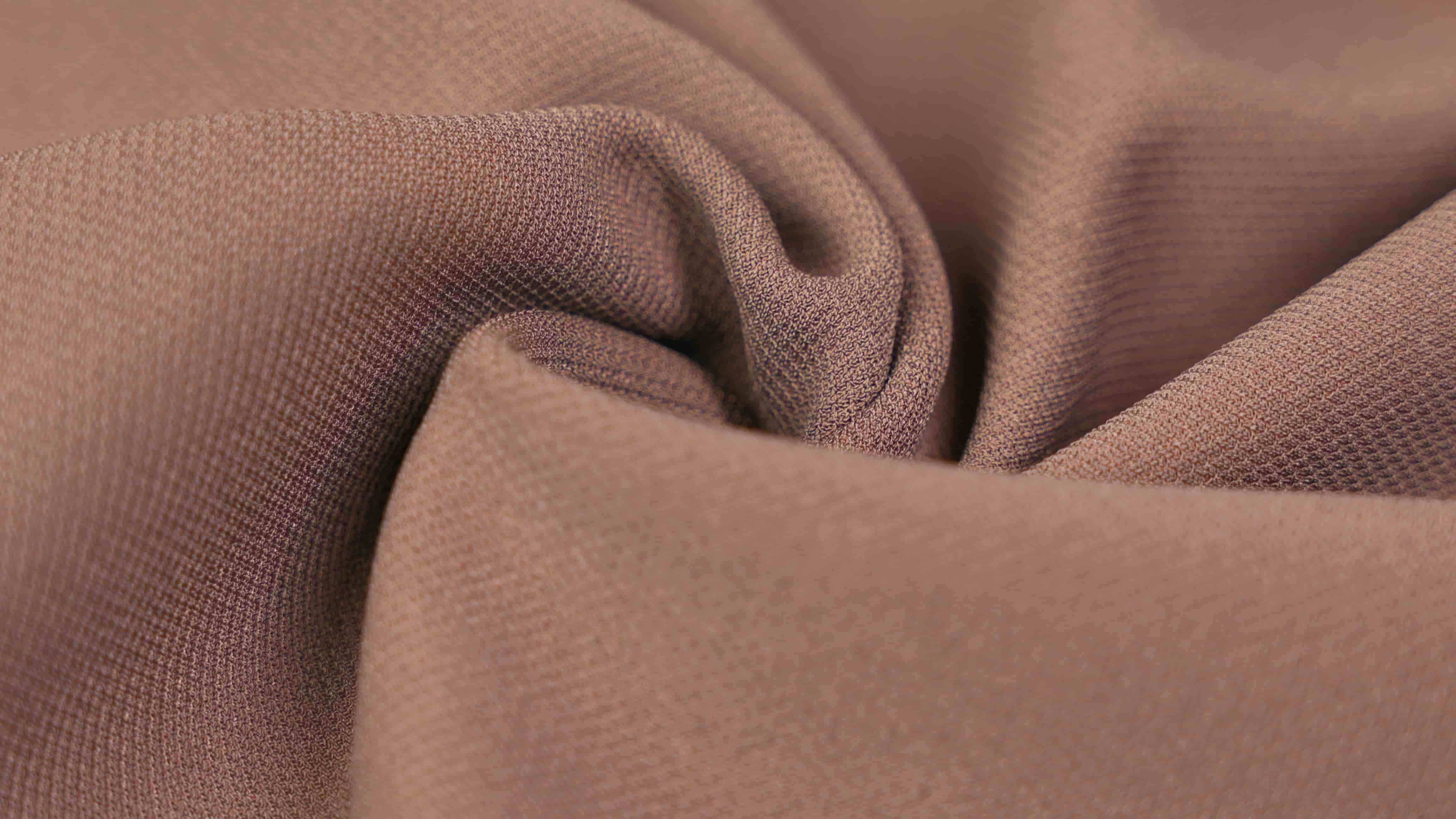
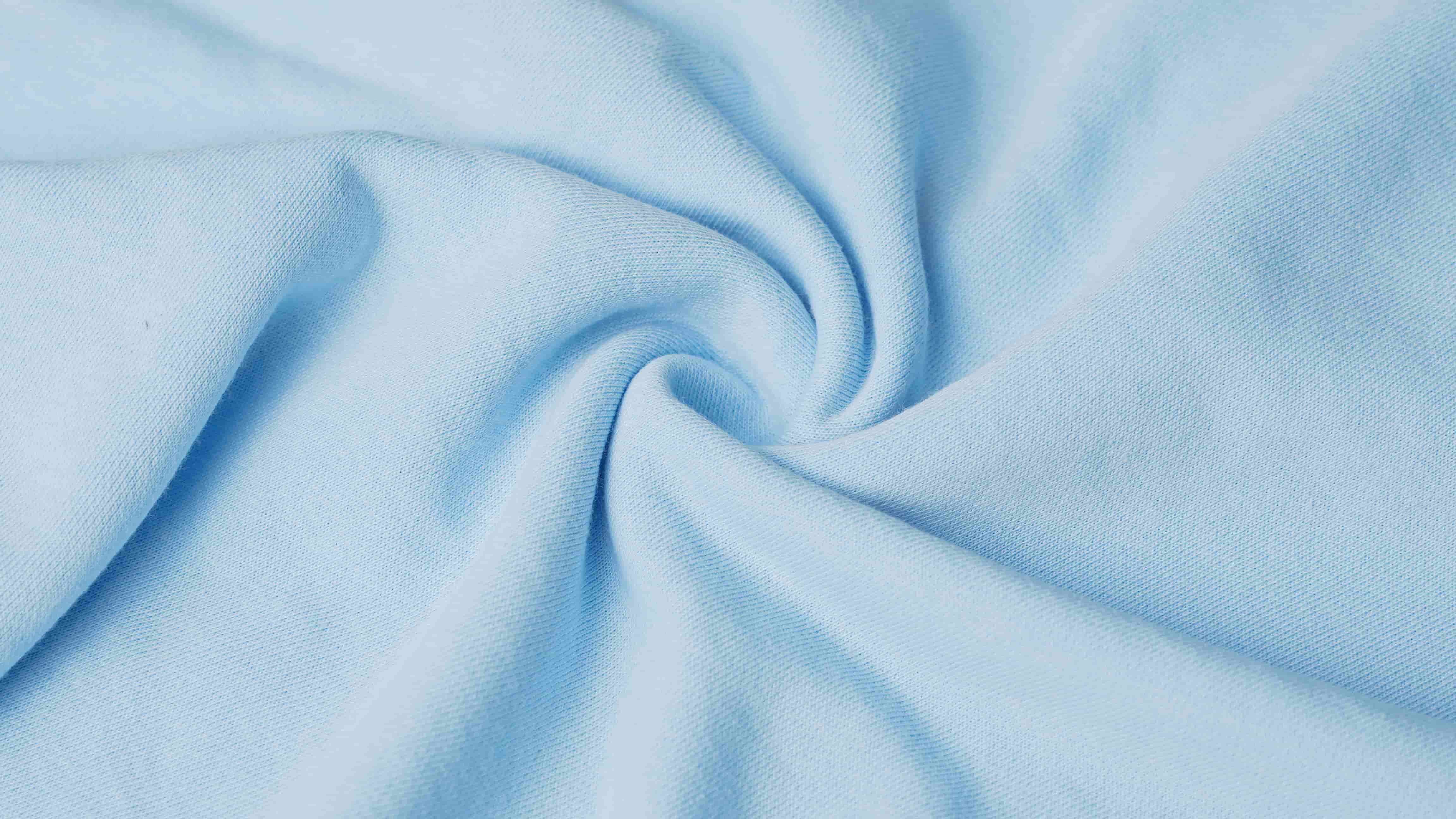
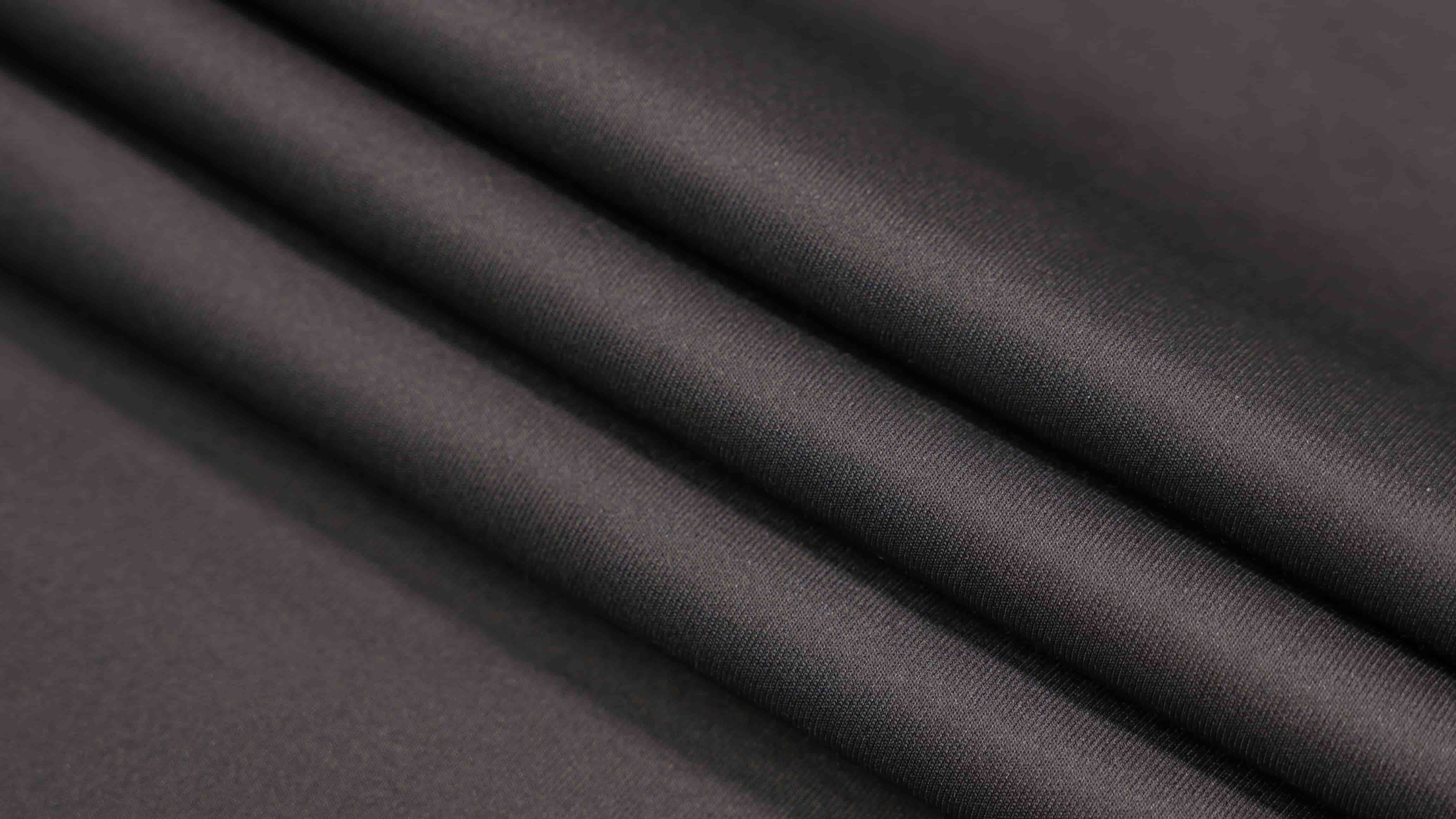
Cotton knitted fabric is a versatile textile constructed through interlocking yarn loops, offering superior stretch, breathability, and comfort compared to woven alternatives.
This comprehensive guide examines its structural properties, manufacturing specifications, performance characteristics, and commercial applications to help B2B buyers make informed sourcing decisions.
Understanding the technical distinctions between knitted and woven cotton fabrics—particularly in elasticity, dimensional stability, and moisture management—enables procurement teams to optimize product specifications for apparel, home textiles, and industrial applications while balancing cost-efficiency with performance requirements.
Understanding Cotton Knitted Fabric Construction and Types
Definition and Manufacturing Process
Cotton knitted fabric is created by interlocking continuous yarn loops with specialized knitting machines, resulting in a flexible textile structure that is fundamentally different from woven fabrics. The process involves feeding combed or carded cotton yarns through precision needles arranged in circular or flat setups, with the machine gauge (needle density per inch) directly affecting the fabric’s weight and texture.
Loop Formation Mechanism: The knitting process forms horizontal courses and vertical wales by sequentially creating loops. Each new loop pulls through the one before it, forming a chain-like structure that offers natural elasticity. Modern circular knitting machines run at speeds of 20-40 revolutions per minute, producing tubular fabrics perfect for seamless garment making.
Gauge Specifications: Machine gauge ranges from 12 to 40 needles per inch, with direct implications for fabric characteristics:
- 12-18 gauge: Heavyweight fabrics (280-320 GSM) for sweatshirts and winter apparel
- 20-28 gauge: Medium-weight fabrics (160-220 GSM) for t-shirts and casual wear
- 30-40 gauge: Lightweight fabrics (120-160 GSM) for underwear and summer garments
Structural Variations: Single jersey construction utilizes a single needle bed, resulting in fabric with a clear face and back. Double-knit uses two needle beds to provide greater stability and a reversible look. Rib knits (1×1, 2×2 configurations) have excellent stretch recovery, making them perfect for cuffs and waistbands. Interlock knits deliver better dimensional stability with little curling, making them suitable for high-quality garment manufacturing.
Cotton Knit vs. Woven Fabric: Structural Differences
The fundamental distinction between knitted and woven cotton fabrics lies in yarn arrangement and resulting performance characteristics, directly impacting application suitability and commercial value.
- Yarn Interlacement Comparison:
Woven fabrics consist of warp and weft yarns that are perpendicular and interlaced at 90-degree angles, resulting in stable yet relatively rigid structures. Knitted fabrics are made from continuous yarn loops that connect horizontally and vertically, allowing for stretch in multiple directions without breaking the yarn. This structural distinction accounts for knitted fabrics needing 20-30% less yarn per square meter while providing better drape and body conformity.
- Elasticity Contrast:
Cotton knitted fabrics exhibit 20-40% stretch in the course direction (horizontal) and 15-25% in the wale direction (vertical), compared to less than 5% stretch in woven cotton without elastane addition. This inherent elasticity eliminates the need for mechanical stretch fibers in many applications, reducing raw material costs while maintaining comfort performance. Recovery rates typically exceed 85% after 5% extension, though repeated stress can cause permanent deformation in lower-quality constructions.
- Dimensional Stability Trade-offs:
Woven fabrics maintain superior dimensional stability, with shrinkage rates typically below 2% after washing. Cotton knits experience 3-5% shrinkage in initial laundering cycles due to yarn relaxation and loop tightening. However, compacting treatments and heat-setting processes can reduce knit fabric shrinkage to 2-3%, meeting commercial garment specifications. The trade-off between comfort-stretch and shape retention requires careful evaluation based on end-use requirements—activewear benefits from knit elasticity, while structured garments may require woven stability.
Technical Properties and Performance Characteristics
Physical and Mechanical Properties
Cotton knitted fabric specifications directly impact manufacturing efficiency, garment durability, and end-user satisfaction, making precise property evaluation essential for B2B procurement.
GSM Range and Weight Classification: Fabric weight measured in grams per square meter (GSM) determines application suitability:
- 120-160 GSM: Lightweight knits for underwear, summer apparel, and linings
- 160-220 GSM: Medium-weight knits for t-shirts, polo shirts, and casual wear
- 220-300 GSM: Heavyweight knits for sweatshirts, hoodies, and winter garments
Weight consistency tolerance in commercial production typically maintains ±5% variation, critical for automated cutting and sewing operations.
- Tensile Strength Parameters:
Cotton knitted fabrics show tensile strength ranging from 15-25 N/mm in the course direction and 12-20 N/mm in the wale direction, which is approximately 30-40% lower than woven fabrics of similar weight. However, the loop structure spreads stress over multiple connection points, offering tear resistance benefits in garment seams. Elongation at break usually reaches 120-180%, much higher than woven fabrics at 15-25%, enhancing comfort during wear and allowing better movement.
- Pilling Resistance and Surface Durability:
Pilling resistance grades (per ASTM D3512) range from Grade 2 (severe pilling) to Grade 5 (no pilling). Ring-spun cotton knits typically achieve Grade 3-4, while combed cotton constructions reach Grade 4-5. Fiber length and twist factor directly influence pilling performance—longer staple cotton (>28mm) with Z-twist factors above 3.5 demonstrates superior surface stability. Mercerization treatments improve pilling resistance by 15-20% through fiber strengthening and surface smoothing.
- Shrinkage Control:
Untreated cotton knits shrink by 4-7% in length and 2-4% in width during the first wash. Compacting processes (sanforization) mechanically relax the fabric before finishing, decreasing residual shrinkage to 2-3%. Heat-setting treatments at 180-200°C stabilize the loop geometry, especially for cotton-polyester blends where synthetic fibers offer dimensional memory.
Breathable Cotton Knit Material: Moisture Management
Moisture management performance distinguishes cotton knitted fabrics in activewear, intimate apparel, and climate-responsive applications, directly correlating with wearer comfort and product marketability.
- Air Permeability Standards:
Cotton knitted fabrics show air permeability rates of 150-250 mm/s (measured per ASTM D737). Woven cotton of the same weight has permeability rates of 80-120 mm/s. The open-loop structure forms interconnected air channels that aid in thermal regulation and moisture vapor transmission. Single jersey constructions have higher permeability (200-250 mm/s) compared to interlock knits (150-180 mm/s). However, interlock offers better opacity for outer garments.
- Moisture Vapor Transmission Rate (MVTR):
Cotton knits reach MVTR values of 3,500-4,500 g/m²/24hr, allowing effective evaporation of sweat during exercise. Natural cotton fibers can absorb 7-8% moisture by weight without feeling wet, thanks to their hygroscopic properties. The surface area of the knitted structure improves wicking speed. Higher yarn twist and loop density decrease MVTR—more tightly twisted and denser fabrics below 180 GSM trade breathability for opacity and durability.
- Quick-Dry Capabilities:
While pure cotton knits retain moisture longer than synthetic alternatives, with drying times of 180-240 minutes compared to 60-90 minutes for polyester, the loop geometry speeds up evaporation by 25-30% compared to woven cotton. Cotton-polyester blends, with ratios ranging from 60/40 to 50/50, enhance quick-dry capabilities while preserving the comfort of natural fibers, resulting in drying times of 90-120 minutes. This combination makes blended knits suitable for performance casualwear and corporate uniforms that need to be washed daily.
Cotton Knitted Fabric Specification Comparison
| Fabric Type | GSM | Stretch % (Course/Wale) | Air Permeability (mm/s) | Typical Applications |
|---|---|---|---|---|
| Single Jersey Lightweight | 120-160 | 35-40% / 20-25% | 220-250 | Underwear, T-shirts, Linings |
| Single Jersey Medium | 160-200 | 30-35% / 18-22% | 180-220 | Casual Shirts, Activewear |
| Interlock Medium | 180-220 | 25-30% / 15-20% | 150-180 | Polo Shirts, Baby Wear |
| Rib Knit | 200-240 | 40-50% / 25-30% | 160-200 | Cuffs, Waistbands, Fitted Tops |
| French Terry | 240-280 | 25-30% / 15-18% | 140-170 | Sweatshirts, Loungewear |
| Fleece (Brushed) | 280-320 | 20-25% / 12-15% | 100-130 | Hoodies, Winter Garments |
Advantages and Limitations in Commercial Applications
Key Benefits for End-Use Products
Cotton knitted fabric dominates specific market segments due to performance characteristics that directly translate to manufacturing efficiency and consumer satisfaction.
- Comfort in Apparel Applications:
The loop structure offers multidirectional stretch that allows for body movement without restriction, which is essential for intimate apparel, activewear, and children’s clothing. The softness of natural cotton fiber paired with the flexibility of knit fabric results in exceptional comfort against the skin, which explains why 78% of global t-shirt production uses cotton knits. Its temperature regulation features help keep the wearer comfortable in various environmental conditions—air pockets within the loop structure provide insulation when necessary, while also enabling heat to escape during activity.
- Ease of Garment Construction:
Tubular knit production removes side seams in t-shirts and underwear, decreasing cutting waste by 12-15% and sewing time by 20-25% compared to garments made from woven fabric. The fabric’s natural stretch adapts to fit differences, enabling manufacturers to lower the number of size SKUs while still providing acceptable fit ranges. The fabric’s forgiving quality benefits cut-and-sew processes—small tension changes during sewing seldom lead to puckering or distortion problems that are typical with woven fabrics.
- Cost-Efficiency in Mass Production:
Cotton knitted fabric production uses 15-20% less raw cotton per square meter than woven fabrics because of the efficiency of the loop structure. Modern circular knitting machines can produce 25-35 kg of fabric per hour with minimal operator intervention, whereas weaving operations typically produce 15-20 kg per hour. The open structure of knitted fabrics allows dyeing and finishing processes to achieve deeper color penetration and improved chemical absorption, which reduces processing time by 10-15% and chemical consumption by 8-12%.
- Dyeing Versatility:
The knitted structure’s surface area and accessibility enable superior dye uptake and colorfastness performance. Reactive dyes achieve wash fastness grades of 4-5 (ISO 105-C06) with proper fixation, while fiber-reactive bonds create permanent color integration. Garment dyeing—where finished garments are dyed rather than fabric—capitalizes on knit elasticity to prevent distortion during tumbling, enabling fashion brands to reduce inventory risk through just-in-time color selection.
Performance Limitations and Mitigation Strategies
Understanding cotton knitted fabric limitations enables procurement teams to implement appropriate specifications and finishing treatments that optimize performance without high cost.
- Edge Curling Issues:
Single jersey knits naturally curl at cut edges because of uneven loop tension between the face and back surfaces, making cutting, sewing, and finishing more difficult. This occurs due to different relaxation rates, with the technical face contracting and the reverse side expanding. To reduce this, strategies include: (1) heat-setting treatments at 180-190°C to stabilize the loop structure, (2) relaxing the fabric through controlled washing before cutting, and (3) using interlock or rib knit constructions for garments with flat edges. Edge binding or hemming techniques help manage residual curling during production.
- Lower Abrasion Resistance:
Cotton knits have 40-50% lower abrasion resistance compared to woven fabrics (measured by the ASTM D4966 Martindale method), with pilling and surface fuzzing occurring after 10,000-15,000 cycles, whereas wovens last 25,000-35,000 cycles. The exposure of the loop structure makes them more susceptible to snag damage from sharp objects or rough surfaces. To address this, solutions include: (1) increasing the yarn twist factor from 3.2 to 3.8 to enhance fiber cohesion, (2) using combed long-staple cotton (>32mm) to reduce short fiber protrusion, (3) applying resin finishing treatments that bond surface fibers (which may decrease softness by 10-15%), and (4) adding 10-15% polyester for high-wear applications such as workwear or children’s clothing.
- Shape Retention Challenges:
Cotton knits undergo progressive deformation when subjected to repeated stress, especially in high-tension zones such as elbows, knees, and seat areas. Moisture absorption worsens their dimensional stability, as wet cotton knits can lose 30-40% of their elastic recovery. Mitigation strategies include: (1) adding 3-5% Lycra/elastane to provide shape memory with minimal effects on breathability or cost, with an additional $0.30-0.50 per yard, (2) using double-knit constructions that offer 35-40% better shape retention than single jersey while remaining comfortable, (3) applying heat-setting processes to fix loop geometry, which increases recovery rates from 75-80% to 85-92%, and (4) choosing fabrics with higher GSM (200-220 compared to 160-180) for structured garments where a slight weight increase is justified by enhanced performance.
Industry Standards and Quality Control
Compliance Requirements for B2B Sourcing
Textile procurement requires adherence to international standards that ensure product safety, performance consistency, and supply chain transparency—particularly critical when sourcing cotton knitted fabrics for regulated markets.
- OEKO-TEX Standard 100 Certification:
This independent testing system confirms the absence of harmful substances across four product categories. Class I (baby products) has the strictest standards: formaldehyde less than 16 ppm, pH between 4.0 and 7.5, and amine dyes restricted to below 20 ppm. Suppliers of cotton knitted fabrics aiming at European and North American markets increasingly seek OEKO-TEX certification, with testing costs ranging from $1,500 to $3,000 per item, which grants market access and can command 15-25% higher prices. Recertification each year guarantees continued compliance as chemical regulations change.
- ASTM D3887 Knit Fabric Specifications:
This standard specifies the requirements for dimensional stability, appearance retention, and colorfastness in knitted fabrics. The main parameters are: (1) skewness tolerance of ≤3% after five launderings, (2) spirality of ≤3% for tubular knits, (3) a dimensional change of ≤3% in both directions, and (4) an appearance retention rating of ≥3.5. B2B purchase orders should cite specific ASTM test methods to define clear acceptance criteria and minimize quality disputes.
- ISO 105 Colorfastness Standards:
This comprehensive series assesses color stability under different conditions. Key tests for cotton knits include: ISO 105-C06 (colorfastness to domestic laundering, with a minimum Grade 4 for commercial apparel), ISO 105-E04 (perspiration fastness, ranging from Grade 4 to 5 for intimate apparel), ISO 105-X12 (rubbing fastness, Grade 4 when wet and Grade 4 to 5 when dry), and ISO 105-B02 (light fastness, with a minimum Grade 4 for outdoor exposure). Including these standards in procurement contracts sets clear quality benchmarks and allows for third-party verification.
- Organic Cotton Certifications (GOTS):
The Global Organic Textile Standard certifies organic fiber content and sustainable processing throughout the supply chain. GOTS-certified cotton knitted fabric commands 20-35% price premiums but provides access to conscious consumer segments and retail partnerships requiring sustainability credentials. Certification requires: (1) ≥95% certified organic fiber for “organic” label or ≥70% for “made with organic” designation, (2) prohibition of toxic chemicals including chlorine bleaching and heavy metal dyes, (3) wastewater treatment meeting specific discharge parameters, and (4) social compliance including fair wages and safe working conditions. Annual audits verify continued compliance across spinning, knitting, dyeing, and finishing operations.
Modulo FAQ
Q1: What is the typical lead time for bulk cotton knitted fabric orders (MOQ 5,000 yards)?
Standard lead times for cotton knitted fabric typically range from 45 to 60 days for stock color orders, and from 60 to 75 days for custom specifications. The process includes yarn procurement, which takes about 15 to 20 days for ring-spun combed cotton; knitting production, lasting 8 to 12 days depending on machine availability and gauge complexity; dyeing and finishing, which require 12 to 18 days, including quality testing; and final inspection and packing, taking 5 to 7 days.
Rush orders can shorten these timelines to 35 to 40 days by applying 15 to 20% expedite fees. Chinese manufacturers generally provide shorter lead times of 45 to 50 days due to integrated supply chains, whereas Indian and Pakistani suppliers usually take 55 to 65 days. Forming framework agreements with pre-approved specifications can further reduce repeat order lead times to 30 to 35 days by removing sampling and approval cycles.
Q2: How does cotton knit fabric perform in industrial laundering cycles compared to polyester blends?
Pure cotton knits withstand 50-75 industrial laundering cycles before significant degradation (20% strength loss, Grade 3 appearance), while 50/50 cotton-polyester blends extend durability to 100-150 cycles. Industrial laundering at 75-85°C with alkaline detergents and chlorine bleach accelerates cotton fiber degradation through cellulose hydrolysis. Polyester blends maintain 85-90% tensile strength after 100 cycles compared to 65-70% for pure cotton.
For hospitality, healthcare, and uniform rental applications requiring 2-3 launderings per week, cotton-polyester blends deliver 18-24 months of service life versus 12-15 months for 100% cotton, justifying 12-18% higher initial fabric costs through reduced replacement frequency. Specifying mercerized cotton or crosslinked finishing treatments extends pure cotton performance to 65-85 cycles while maintaining natural fiber benefits.
Q3: What are the cost implications of choosing organic cotton knit over conventional options?
Organic cotton knitted fabric typically costs 25-40% more than conventional equivalents, with price premiums varying by certification level and order volume. A standard 180 GSM single jersey in conventional cotton averages $2.80-3.20 per yard FOB, while GOTS-certified organic equivalent ranges $3.50-4.50 per yard. Premium breakdown: organic fiber cultivation (15-20% higher raw material cost), certification and auditing fees (adding $0.15-0.25 per yard), restricted chemical options increasing processing costs (8-12% higher dyeing/finishing), and typically smaller production runs reducing economies of scale.
However, organic cotton enables access to premium retail channels, supports sustainability marketing claims, and increasingly meets corporate responsibility requirements. Brands targeting conscious consumers report willingness to absorb 60-70% of cost premiums, passing 30-40% to consumers through $3-5 higher garment retail prices. Volume commitments above 50,000 yards can reduce organic premiums to 18-25% through direct mill partnerships and forward contracts.
Conclusione
Cotton knitted fabric continues to be a leading option in B2B textile markets because of its well-balanced mix of comfort, functionality, and ease of production. The loop structure offers natural stretch, excellent breathability, and benefits in manufacturing efficiency that lead to lower production costs and higher customer satisfaction. Although the fabric has certain drawbacks in abrasion resistance, dimensional stability, and edge handling when compared to woven fabrics, modern finishing methods—such as heat-setting, compacting, and strategic fiber blending—successfully mitigate these issues without sacrificing essential performance qualities.
Successful procurement decisions depend on matching fabric specifications to application needs: lightweight single jersey knits (140-160 GSM) enhance comfort and affordability for basic clothing, whereas interlock and rib structures (200-240 GSM) offer increased durability for high-end garments. The 20-40% stretch naturally present in knitted fabrics removes the need for elastane in many uses, lowering material expenses while still providing comfort. For industrial uses that demand longer service life, cotton-polyester blends offer 50-100% greater durability with acceptable compromises in natural fiber qualities.
Compliance with international standards—particularly OEKO-TEX Standard 100, ASTM D3887, and ISO 105 colorfastness specifications—ensures product safety and performance consistency while facilitating market access. Organic cotton certifications command 25-40% price premiums but enable differentiation in sustainability-conscious market segments. Procurement teams should evaluate the total cost of ownership, including fabric price, manufacturing efficiency gains, quality-related returns, and brand positioning value, rather than initial material cost alone. Establishing long-term supplier partnerships with clear specification protocols reduces lead times from 60-75 days to 35-45 days while ensuring consistent quality across production runs, ultimately optimizing supply chain value and competitive positioning.
