
Article Summary:
The distinction between fabric that is woven and fabric that is knitted is a fundamental concept in textile science and the manufacturing of garments. This concept directly affects the performance of fabric, comfort, durability, and the final purpose of the fabric.
Authenticate sources like Textiles by Sara J. Kadolph, Fabric Science by Joseph J. Pizzuto, and Textile Fibers, Dyes, and Processes by Howard L. Needles allude to the structural difference between woven and knitted fabric.
This article discusses the differences between fabric that is woven and fabric that is knitted, the primary focus of the article is on the properties of knitted fabric, its applications, and the limitations associated with it.
Introduction: why the difference between woven and knitted fabric matters
The distinction between fabric that is woven and fabric that is knitted is one of the most frequently researched and practiced topics in textile education and industry. Despite its apparent inefficiency, this distinction has significant consequences for fabric performance, construction of garments, cost of efficiency, and consumer satisfaction. From everyday clothing to industrial textiles, the distinction between fabric shapes that are woven and those that are knitted has a significant effect on the perceived appearance, feel, behavior, and aging of a product.
Search queries associated with knitted fabric are often indicative of a hybrid desire: users want to understand the causes of stretchiness in knitted fabric, the reasons why it is popular in casual and activewear, and how it differs structurally and functionally from woven fabric. This article addresses the aforementioned questions in great detail, while also explaining the continued importance of woven fabric in apparel and technical endeavors.
What is woven fabric?
A fabric that is woven is produced by intersecting two different sets of yarns—warp and weft—both perpendicular to the loom’s direction. This interlacing produces a consistent, grid-like pattern that describes the fundamental properties of woven textiles.
The weaving procedure allows for a variety of fabric configurations, including standard weave, twill weave, and satin weave, each having its own unique properties of strength, surface texture, and drape. Because the yarns are held in place by the fabric’s design, the woven fabric typically has a high degree of stability and limited stretch.
니트 원단이란 무엇인가요?
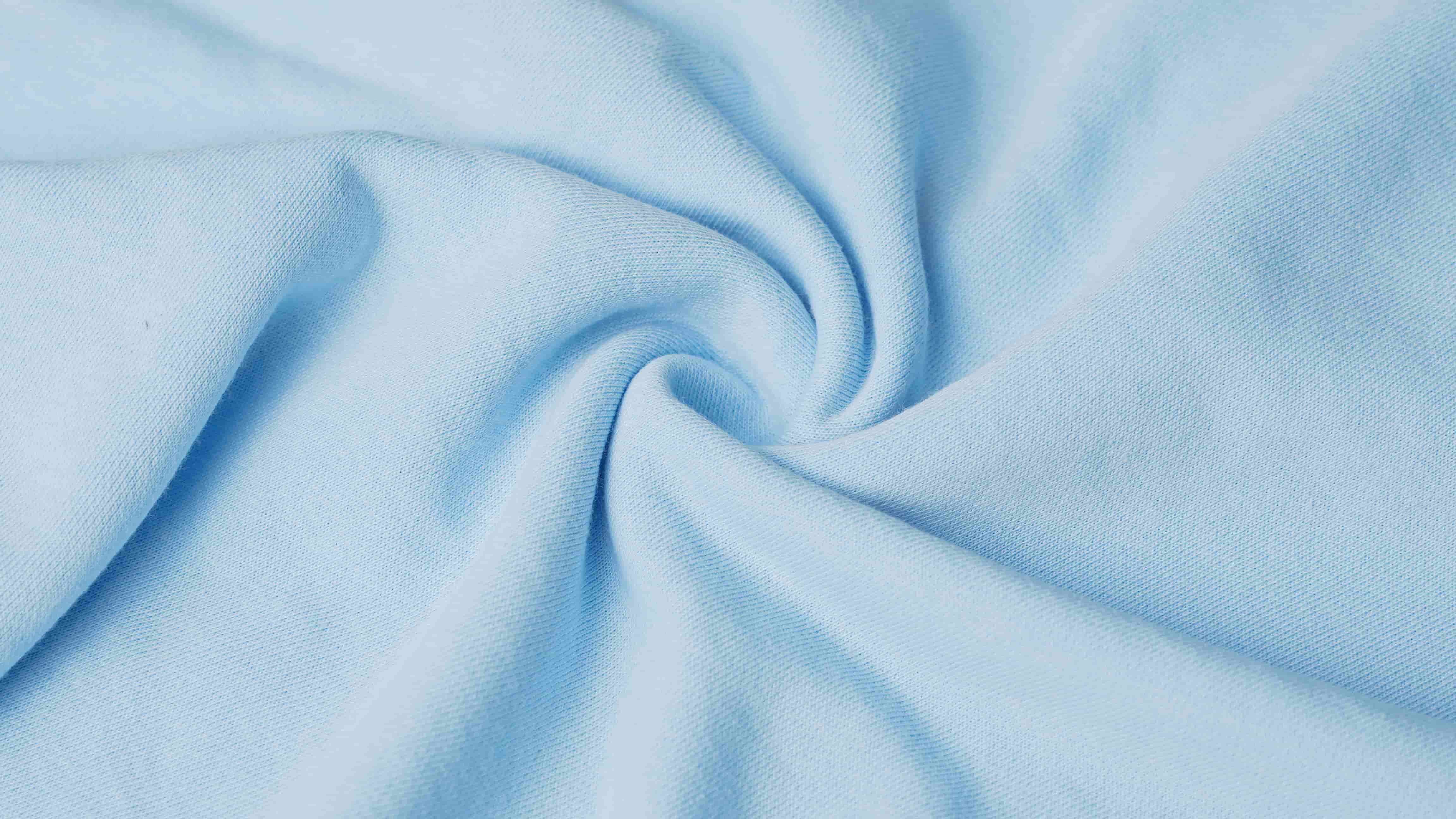
A fabric that is knitted is composed of multiple loops instead of multiple interstices. The yarn follows a linear path, which creates a series of connected loops that result in the fabric’s unique flexibility and elasticity.
니트 원단 is created using both weft and warp knitting methods (such as tricot and raschel). Regardless of the method, the looped design is the primary attribute that distinguishes knitted fabric from woven fabric.
Structural difference: interlacing vs interlooping
The primary difference between fabric that is woven and fabric and knitted fabrics is based on the structure of the fabric.
In woven fabric, fibers are confined by their design to a position that is perpendicular to the interlacing. This increases stability and resistance to deformation.
In fabric with a knitted design, the yarns create circles that can expand or contract. This looped design facilitates the fabric’s stretch, recovery, and conformability to body movement.
This structural difference explains the majority of the downstream differences in performance between the two fabric types.
Mechanical behavior and elasticity
One of the most frequent differences in high-ranking Google content is elasticity.
Woven fabric typically has a limited stretch, unless elastic fibers are incorporated. Their sturdiness causes them to be ideal for apparel that requires shape retention and a clean silhouette.
Knitted fabric’s elasticity and recovery are increased, especially in the horizontal direction. This causes fabric that is knitted to be ideal for clothing that focuses on comfort, mobility, and body-supporting fit.
Drape and hand feel differences
Drape is the method of fabric hanging that relies on the fabric’s weight. Woven fabric’s fibers tend to flow in a more organized, rectangular style; this is especially true of fabric made from tightly wound yarns.
Knitted fabric is typically more gently draped because of its constructed loop. The fabric is malleable and flows with the contour, which promotes its popularity in everyday and athletic apparel.
Breathability and thermal comfort
Both woven and knitted textiles can have a breathable attribute; however, they achieve this differently.
Woven fabric’s porosity is regulated by the spacing of the yarns and the number of times they are woven.
Looped fabric’s natural composition includes micro air chambers within its looped design, which enhances the fabric’s breathability and thermal insulation. This is one of the most common reasons why fabric with a knitted pattern is commonly employed in base layers and sweaters.
Durability and resistance to wear
Woven fabric generally has a higher resistance to abrasion and tear; this is especially true of tight-woven configurations like twill or canvas.
Knitted fabric is inherently prone to snagging and malformations, but it can be better designed. However, modern knitted fabric designs utilizing advanced fibers and more exact stitches have greatly enhanced the fabric’s durability.
Dimensional stability and shape retention
Dimensional stability is the capacity of a fabric to maintain its size and shape.
Woven fabrics’ performance in this area is superior, which causes them to be ideal for custom clothing and structured products.
Knitted fabric may have increased stretch or growth over time, this is particularly true of materials that have a lack of sufficient recovery. This trait must be controlled through fabric design and the garment’s fabric.
Wrinkle resistance and appearance
Knitted fabric is typically more resistant to wrinkles than woven fabric. The looped design facilitates the relaxation of wrinkles.
Woven fabric, especially cellulose fabric, typically wrinkles more easily but can be finished to have a resistance to wrinkles.
This disparity has a significant impact on the consumer’s preference for common wear.
Production processes and manufacturing efficiency
Weaving and knitting have different speeds and degrees of flexibility in their manufacturing.
Weaving is a multi-step procedure that involves warping, sizing material, and weaving, all of which can increase the lead time.
Knitting, especially weft knitting, can produce fabric more quickly with less preparation, which makes the fabric more susceptible to fast fashion and rapid production cycles that are rapid.
Cost considerations in woven vs knitted fabric
The cost structures are different for each fabric type and application.
Woven fabrics often have higher production costs, but they consistently provide quality and efficiency in large volume production.
Knitted fabric is beneficial for certain applications because of its quicker production and lower waste, though the quality of the yarn and the machine used have a significant impact on the final cost.
Garment construction and sewing differences
Woven fabric is extremely difficult to pattern cut and has a precise construction of seams. Mistakes are less likely due to the limited range of stretch.
Knitted fabric has a higher degree of porosity, which allows for smaller variations in fabric construction that are accommodated through stretch and recovery.
This discrepancy has an effect on the requirements for labor and the efficiency of production in the manufacturing of garments.
Typical applications of woven fabrics
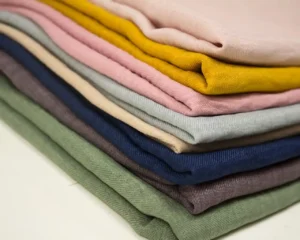
Woven fabric is a common textile structure due to its dimensional consistency, strength, and versatility. Created by intersecting the warp and weft fibers, woven fabric is ideal for a variety of purposes in the apparel, industrial, and domestic textile fields.
- Fashion and Apparel
Woven fabric is typically employed in garments that require fabric retention and longevity.
Shirts, blouses, and formal wear
Trousers, jeans, and skirts
Suits, jackets, and Over the Top
Common clothing and professional attire
Their pre-designed nature facilitates precise customization and a formal appearance.
- Home textiles and accessories
In domestic settings, woven textiles have both practicality and aesthetic value.
Curtains and dresses
Upholstery fabric for sofas and chairs.
Bed sheets and pillow cases, as well as mattress cases, are covered in this method.
Tables and other stationary objects
Woven structures have a long service life and are resistant to deformation when used repeatedly.
- Industrial and Technical Clothes
Woven fabrics have a significant impact on technical endeavors that require strength and dependability:
Belts that convey and industrial-grade filters
Geotextiles are used in the construction of buildings and to stabilize soil.
Protective clothing and attire
reinforcement fabric in combinations
Their structured design allows for a predictable mechanical response.
- Automotive and Transportation
The automotive industry relies on fabric that is woven to ensure performance and safety.
Seat covers and interior trim
Airbag fabric with a high stretch ratio
Sound insulation and additional layers of insulation
The fabric’s durability and resistance to wear make it ideal for long-term use.
- Medical and Healthcare Utilizations
In medical contexts, woven textiles are employed where safety and hygienic stability are crucial:
Operating gowns and towels
Bandages and medical towels
Sleeping and covering.
These fabrics can be constructed to have a sterilizing effect and a controlled permeation.
- Packaging and Industrial Wear
Woven fabric is also commonly employed in the packaging and protective fields.
Industrial containers and sacoches
Tarpaulins and emergency covers
Agricultural fabric, such as fabric that protects crops.
Their power and resistance to tears ensure a dependable performance in difficult environments.
Typical applications of knitted fabric
Knitted fabric is commonly utilized in industries because of its stretchiness, softness, breathability, and comfort. Formed by intersecting yarns instead of weaving them, knitted fabric has superior flexibility and adaptability to woven structures.
- Fashion and Apparel
Knitted fabric is the most popular type of fabric that focuses on comfort and body fit.
T-shirts, polo shirts, and everyday wear
Sweaters, cardigans, and knitwear
Dresses, skirts, and pre-fitted clothing
Socks, stockings, and underwear
Their stretch and drape facilitate the ideal utilization of knitted fabric for everyday and near-skin garments.
- 스포츠웨어 및 기타 스포츠 용품
Performance clothing is primarily composed of knitted fabric.
Sports shirts and pants
Compression clothing
Yoga and apparel for fitness.
Swimwear (with blends of elastane)
Knitted structures facilitate movement, moisture management, and a better fit.
- 라운지웨어 및 잠옷
The softness of the fabric and the thermal comfort it provides are ideal for casual clothing.
Daytime and nighttime wear
Homewear and recreational items
Base layers that heat up
Knitted fabric provides warmth without being overly heavy.
- 의료 및 헬스케어 기술
Knitted fabric is employed when flexibility and comfort are of the essence:
Medical bandages and wraps
Stuffed compressions
Orthopedic devices
Wound-care fabric
Their flexibility allows you to control the pressure and ease of application.
- 홈 가구
Also, knitted fabric is utilized in everyday life:
Blankets and throws
Cushion covers
Cushions and covers for the mattress.
Their soft touch increases the comfort of domestic environments.
- Technical and Industrial Benefits
Specialized knitted fabric serves practical functions:
Spacer fabric for insulation and air circulation
Automotive cushions and liners
Textilefiltration and reinforcing
Impact- and protective materials
Engineered knits have benefits like airflow and resilience.
- Baby and Children Products
Knitted fabric is most preferred for harsh-skinned applications:
Baby gear and accessories
Plush cushions and soft décor
Bibs and other items of comfort
Gentle tension and softness alleviate pain.
Performance finishing and functional enhancement
Both woven and knitted textiles can be enhanced through subsequent processes.
Functional enhancements like moisture management, antibiotic treatment, and ultraviolet protection are typically applied to knitted fabric in order to enhance the performance of activewear.
Woven fabric often has properties that enhance its durability, water resistance, or resistance to wrinkles.
Sustainability considerations
Sustainability is more reliant on the fiber choice and processing than on the fabric itself.
Knitted fabric production can reduce waste by utilizing either the two-needle or three-needle knitting methods.
The sustainability of woven fabric is being enhanced through the use of efficient loom technology and reusable yarns.
Both types of fabric are being developed in response to environmental concerns.
Comparison table: woven vs knitted fabric
| 측면 | 우븐 패브릭 | 니트 원단 |
| Structure | Interlaced warp and weft | Interlooped yarns |
| Stretch | 낮음 | 높음 |
| Drape | 구조화된 | Soft and fluid |
| Wrinkle resistance | Moderate to low | 높음 |
| Dimensional stability | 높음 | 보통 |
| Typical use | Tailored, structured | Casual, active |
Common misconceptions clarified
A common misconception is that fabric that is knitted is less desirable than fabric that is woven. In reality, each has a different requirement for performance.
Another common misconception is that fabric that is woven cannot be enjoyable. Comfort is derived from the fiber, finish, and design, not just the structure.
Discussing these topics clarifies the selection of materials.
Frequently Asked Questions (FAQ)
Q1: What is the primary difference between fabric that is woven and fabric that is knitted?
The primary difference is in structure: fabric that is woven is interlaced, while fabric that is knitted is interlooped, which results in different properties of stretch and comfort.
Q2: Is fabric that is knitted more enjoyable than fabric that is woven?
Knitted fabric is typically more comfortable because of its stretchiness and softness, but the comfort also depends on the type of fiber and the final treatment.
Q3: What fabric is more long-lasting, fabricated, or needle-funded?
Woven fabric is typically more resistant to damage, while knitted fabric is based on the design and quality of the yarn.
Q4: Does fabric that is knitted have a greater tendency to shrink than fabric that is woven?
Knitted fabric is more susceptible to alterations in dimensions if not properly supported.
Q5: Can fabric that is woven or knitted be combined?
Yes, many clothing items have both woven and knitted fabrics in order to balance structure and comfort.
Conclusion: choosing between woven and knitted fabric
The distinction between fabric that is woven and fabric that is knitted is based on structural principles that have an effect on every aspect of textile performance. Woven fabric is stable, durable, and structured, while knitted fabric is malleable, comfortable, and versatile. Understanding these discrepancies allows designers, manufacturers, and consumers to choose the most appropriate material for each situation.
In a time when comfort, performance, and sustainability are increasingly important to consumers, fabric that is knitted continues to increase in popularity across all apparel categories; however, woven fabric is still necessary for certain purposes. Recognizing the benefits and drawbacks of both fabric types is crucial to having accurate, informed, future-proof textile decisions.
