
Abstract:
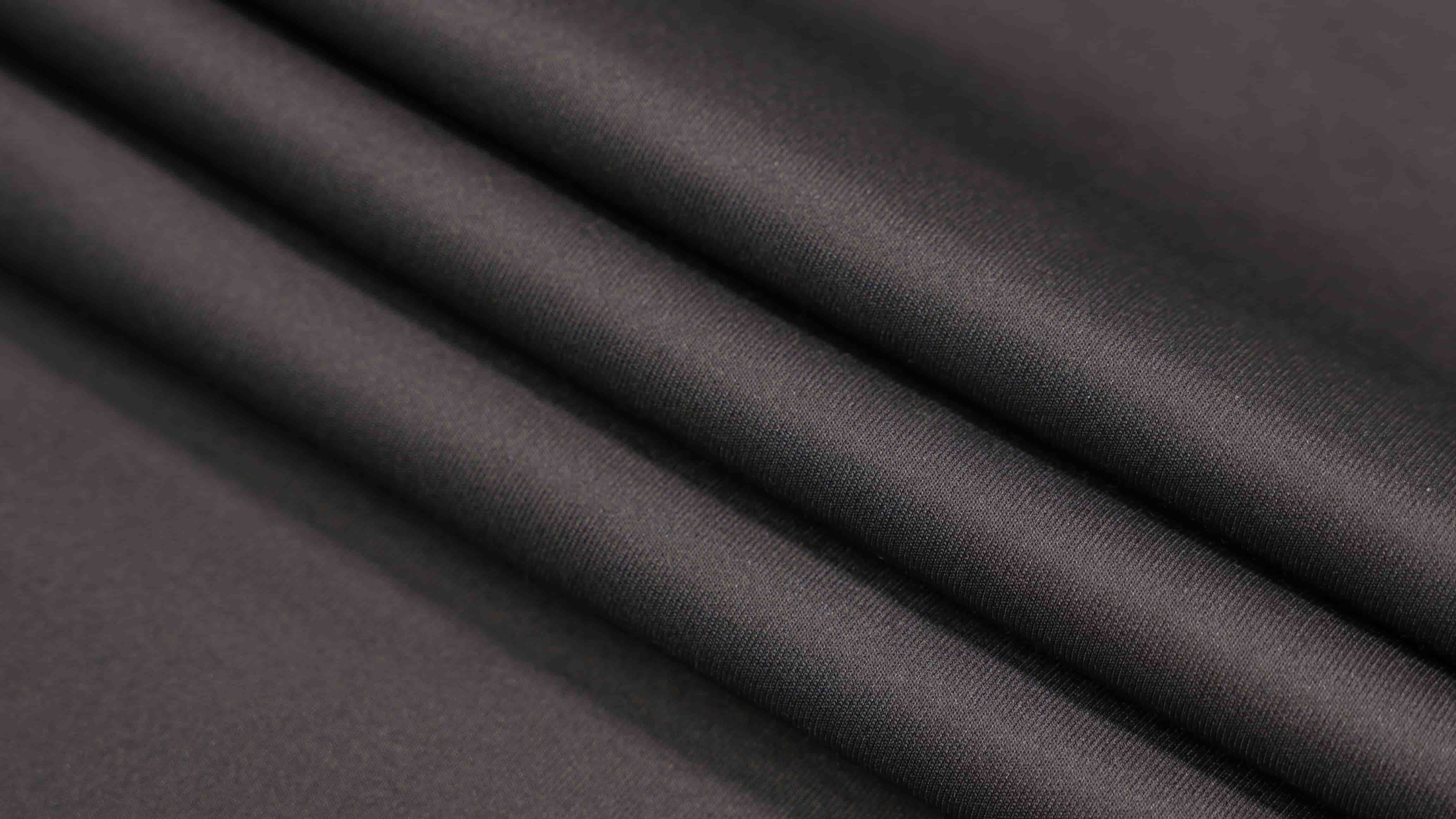
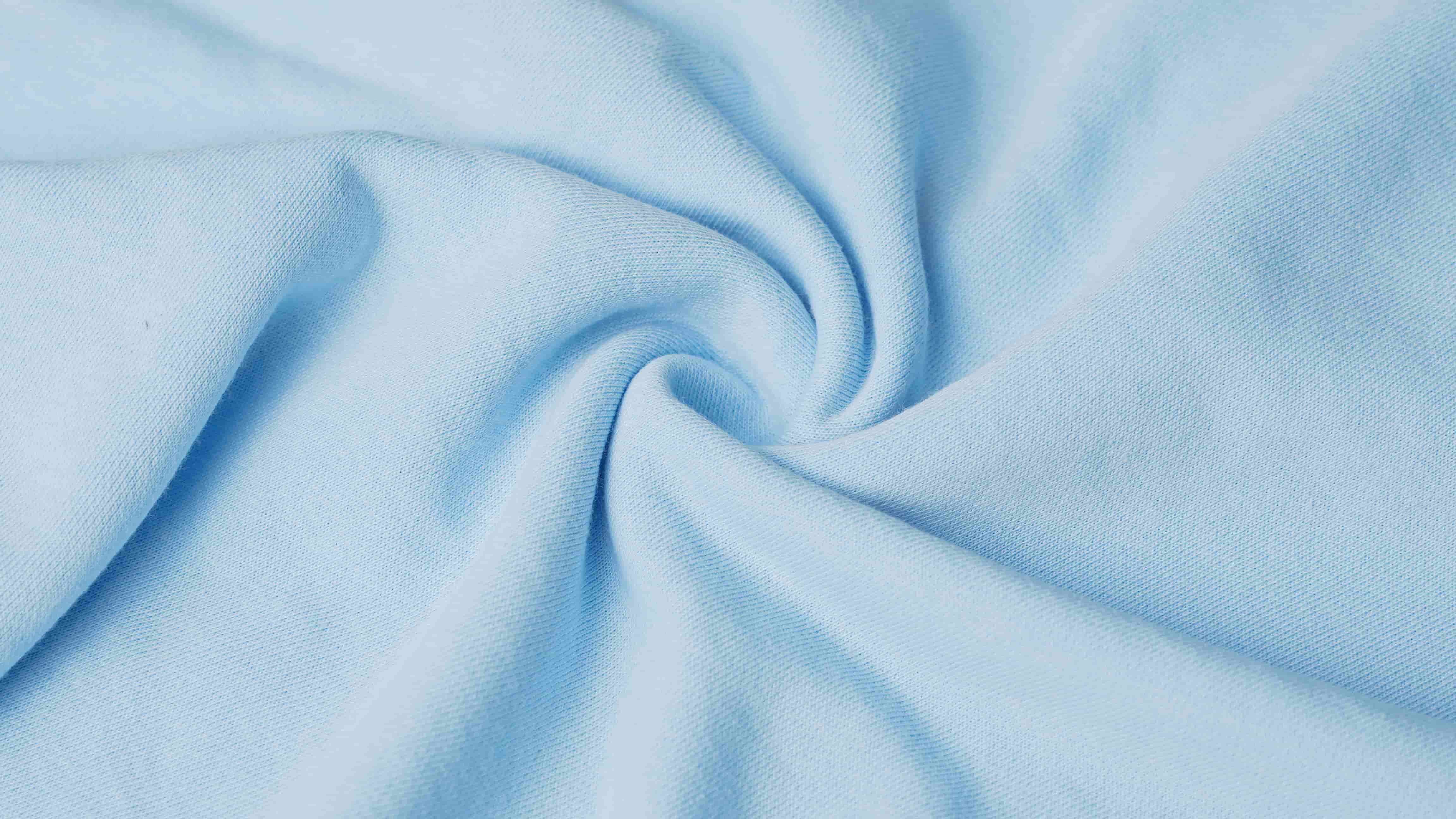
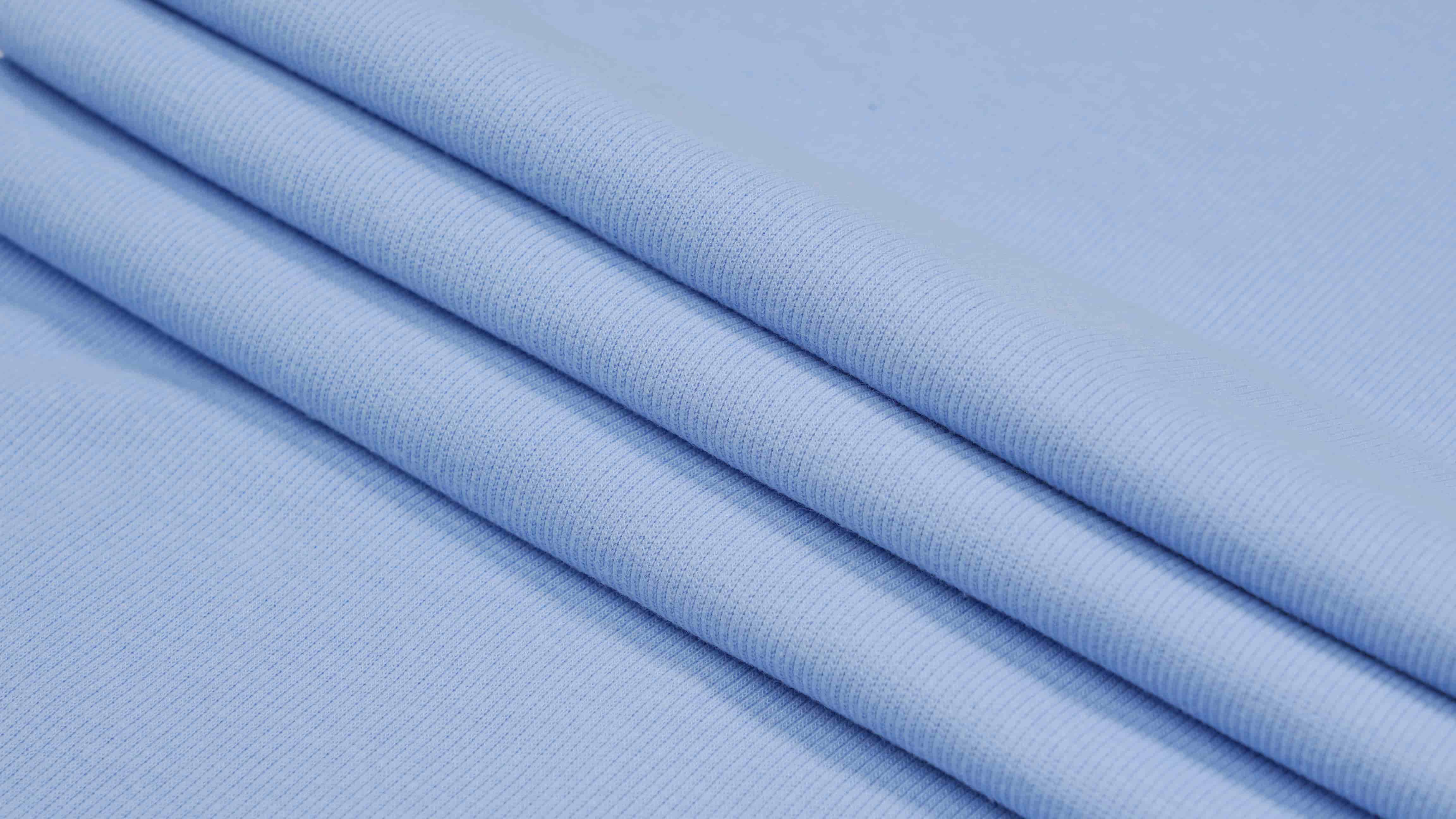
Skin-Recovery Cotton knit fabric is a new type of functional cotton-based fabric that is intended to improve the comfort, resilience, and longevity of skin.
Unlike the conventional style of cotton that primarily focuses on softness and breathability, this fabric possesses elastic recovery, skin-adaptive behavior, and physiological comfort, making it increasingly popular in applications like intimate clothing, loungewear, baby gear, medical textiles, and sportswear that is next to the skin.
This article employs foundational textile science research and industry benchmarks, including Textiles: Fiber to fabric by Corbman (McGraw-Hill), Engineering of High-Performance Textiles (Woodhead Publishing), and the skin-texile interaction studies published by The Textile Institute.
Through the synthesis of fiber science, knitting technology, finishing methods, and real-world examples, this guide provides a more extensive and technically informed explanation than existing pages with the same keyword.
Why Skin-Recovery Cotton Knit Fabric Is Gaining Industry Attention?
In the global fabric market, cotton fabric has traditionally been associated with comfort, breathability, and friendliness to the skin. However, traditional cotton fabrications have limitations that are inherent:
- Fuzzy-elastic recovery
- The shape of the object is deformed after being washed multiple times.
- Discomfort during long-term use of a reduced amount of skin.
- Low ability to adapt to body movement
Skin-Recovery Cotton fabric was created to address the issues of cotton’s natural affinity for skin, combined with a lack of recovery capabilities. From a B2B perspective, this evolution is indicative of a growing demand for textiles that promote long-term comfort, not just the initial feel.
What Is Skin-Recovery Cotton Knit Fabric?
- Technical Definition
Skin-Recovery Cotton fabric is a type of fabric that is designed to maintain close, direct contact with the skin while also returning to its original shape after being stretched or deformed. Its distinguishing traits include:
- High cotton content that promotes skin compatibility
- Increased elasticity without sacrificing synthetic softness
- Soft, low-power surface
- Constant performance that is stable over time
Unlike the standard cotton fabric or ribbons, the attribute of “skin-recovery” focuses on the dynamic relationship between the fabric and the skin.
- How It’s Different from Conventional Crop-Knit?
Traditional cotton fabrics rely primarily on the loop structure for stretch, which often results in permanent changes. Skin-Recovery Cotton fabric’s design features a series of optimizations that allow the fabric to stretch, change shape, and regrow repeatedly while still providing a comfortable experience.
Fiber Composition and Material Structure
- Cotton is the chief fiber
Cotton is still the most popular fiber type, as it has:
- Hypoallergenic properties
- Moisture capacity to absorb water
- Warmth and flexibility
High-quality long-staple cotton is typically utilized to reduce surface friction and increase longevity.
- Helpful fibers for regrowability
While cotton is paramount, the performance is enhanced through recovery:
- Low-purity fibers that are elastomerically derived (e.g., elastane or altered polyesters)
- Elastic core-spun fibers
- Mechanical elasticity via the design of yarns.
Crucially, Skin-Recovery Cotton fabric doesn’t rely on a high amount of elastane; instead, it preserves the natural feel of the hand.
Knitting Techniques Used in Skin-Recovery Cotton Knit Fabric
- Elaborated Knit Structures
Common structures include:
- Interlocks are connected to recovery areas
- Ribs that are modified with a balanced amount of stretchiness
- Tightened-up jerseys have control over tension
These structures spread stress uniformly across the structure, which reduces the likelihood of local deformation.
- Density of Loops and Constant Balance of Elasticity
Higher loop density promotes shape retention, while the optimized tension of the yarn promotes elasticity without being stiff. This equilibrium is of paramount importance to garments that directly interact with the skin.
Finishing Processes That Enable “Skin Recovery”
- Mechanical Ending
Controlled compaction to maintain the dimensions.
The practice of using a smooth surface to reduce摩擦.
- Functional End
Soothing effects on the skin
Moisture regulation treatments
Low-residue moisturizers that are compatible with sensitive skin.
According to the principles of textile finishing discussed in Chemical Processing of Textiles (Woodhead), these finishing effects have a significant impact on the perceived comfort of the skin.
Skin–Textile Interaction: Why Recovery Matters
- The distribution of pressure on the skin
Fabrics that don’t recover create pressure areas, which cause pain and irritation to the skin. Skin-Recovery fabric’s dynamic behavior reduces the mechanical stress on the epidermis.
- Friction and Micro-Movement
The lower surface friction rate reduces the chafing effect, which is especially true of high-movement garments like underwear and recreational loungewear.
Performance Characteristics
| 특성 | 피부 회복용 코튼 니트 원단 | Standard Cotton Knit |
| Elastic Recovery | 높음 | 낮음에서 보통 |
| Skin Adaptability | 우수 | 보통 |
| Shape Retention | Strong | Weak over time |
| 통기성 | 높음 | 높음 |
| Long-Term Comfort | Consistent | Declines |
Moisture Management and Thermal Comfort
The skin-recovery fabric is derived from cotton’s natural breathability while utilizing the knit method to enhance moisture management.
The primary characteristics that are responsible for the successful performance are:
- Effective absorption of moisture and its diffusion from the skin away
- Increased air circulation due to the looped design
- A temperature-supporting mechanism for both temperate and tropical climates
The fabric’s composition promotes a dry, pleasant microclimate near the skin that is ideal for all-day wear.
Durability and Wash Performance
Unlike conventional cotton fabric that may become distorted over time, variants designed to have wrinkled skin are engineered to have a more consistent shape.
Advantages include:
- Increased stretchiness after multiple uses
- Reduced stretchiness and slackening
- Increased resistance to puncturing and general wear of the surface
- Constant performance that is resistant to multiple washes
This longevity is of special importance to garments that are frequently cleaned.
Safety and Skin Sensitivity Considerations
Skin-Recovery fabric is often chosen for projects that involve direct skin contact.
Safety-related advantages:
- A soft, pleasant sensation that minimizes the skin’s irritation
- compatibility with the most sensitive skin and daily use
- The potential for OEKO-TEX® or similar textile safety regulations to be followed
- Low probability of chemical leftovers when properly executed
These properties make it appropriate for children, loungewear, and intimate clothing.
Key Applications of Skin-Recovery Cotton Knit Fabric
Skin-Recovery fabric is engineered to have a combination of cotton’s natural comfort and enhanced stretchiness; it is therefore ideal for applications that require softness, stretch, and long-term wear. Its consistent performance leaves it between the conventional type of cotton fabric and the synthetic high elasticity fabric.
- Everyday Clothes and Casualwear
Skin-recovery cotton blouses are commonly utilized in everyday wear because of their comfort and long life.
Common products:
- T-shirts and polo shirts
- Casual shirts and lounge pants
- Homewear and clothing for leisure activities
The reason why it’s effective:
The fabric’s shape is maintained after multiple washes, while still being breathable and skin-friendly.
- 속옷 및 개인 의류
This fabric is highly regarded for its close-to-skin properties.
Common uses include:
- Male and female underwear
- Sleepwear
- Warmth and the base layers
Key benefits:
- Reduced distortion and drooping
- Gentle pull without stress
- Low probability of causing skin irritation
- Athleisure and Light-Producing Wear
For activities that involve mild stretchiness instead of high pressure, skin-recovery fabric is ideal for this type of activity.
유용한 애플리케이션은 다음과 같습니다:
- Yoga and physical therapy tops
- Stretch T-shirts
- Bright clothing
Functional benefits:
- Absorption of natural moisture
- Increased freedom of movement
- Higher retention of shape than regular cotton fibers
- Baby and Children’s Clothing
Safety and comfort are of paramount importance to infant and child apparel.
Typical uses include:
- Baby body suits and onesies
- Children’s T-shirts and b pjs
Reasons why it’s useful:
- Warmth of the hand
- Breathable and Hypoallergenic attributes
- Better resistance to frequent cleaning
- Medical and Healthy Textiles
Skin-recovering cotton fabric is increasingly popular in healthcare-related fabric products.
Examples:
- Recover’s attire
- Healthy undershirts
- Adaptable clothing
Benefits:
- Help for sensitive skin
- Easygoing, yet firm, elasticity that doesn’t hinder blood flow
- Sustainable and Eco-Focused Fashion Lineup
When combined with organic cotton or low-powered elastomers, repurposed cotton fabric that is repurposed has a regenerative effect on the skin. This fabric supports initiatives that are sustainable.
Applications:
- Eco-friendly clothing collections
- High-end comfort gear
Comparison with Other Elastic Cotton Fabrics
| Fabric Type | Recovery Performance | Skin Comfort |
| 피부 회복용 코튼 니트 원단 | 높음 | 우수 |
| Cotton-Spandex Knit | 매우 높음 | 보통 |
| Polyester Knit | 높음 | 낮음 |
| Modal Cotton Knit | 보통 | 높음 |
지속 가능성 고려 사항
Sustainability is increasingly involved in the selection of fabric.
Sustainability benefits include:
The utilization of organic cotton fibers
Increased lifespan of the garment due to the enhanced recovery.
Lowered frequency of replacement, decreasing textile trash
compatibility with organic or environmentally responsible cotton
When combined with environmentally friendly coloring and finishing methods, cotton fabric that is recovered from the skin has a well-conducted line of modern sustainability.
Manufacturing and Cost Implications
From a manufacturing perspective, skin-recovered cotton fabric is characterized by the need for controlled processing and finalization.
Production considerations:
Specialized structures or combinations of colors that enhance healing.
More stringent quality control during the knitting process and during the final stage of processing.
A little more expensive than basic cotton fabric
However, the extra value in longevity, comfort, and performance often justifies the cost in mid-to high-end clothing segments.
Quality Control and Testing Methods
Consistent performance relies on proper testing and quality assurance.
Common evaluation methods include:
Stretch and recovery testing
Dimensional stability after washing
Pilling and abrasion resistance tests
Colorfastness and shrinkage testing
Skin safety and chemical compliance assessments
These tests ensure reliable performance across production batches.
향후 개발 방향
Emerging innovations include:
Bio-based elastic fibers
Skin-responsive textile finishes
Smart knit zoning for adaptive recovery
Strategic Value for Brands and Manufacturers
For brands, Skin-Recovery Cotton Knit Fabric enables:
Premium positioning
Enhanced consumer satisfaction
Lower complaint rates
For manufacturers, it supports higher-margin product lines.
FAQ: Skin-Recovery Cotton Knit Fabric
- Is the fabric’s Skin-Recovery system appropriate for extremely sensitive skin?
Yes. Its cotton foundation and low-slip surface make it an ideal choice for sensitive skin.
- Is it made of elastane?
Often, the amount of recovery is more dependent on the knit structure than on the fiber content.
- How is it different from fabric made of cotton?
It promotes a more natural hand feel and has a longer-term comfort that is regulated by the elasticity of the fabric.
- Is it washable and long-lasting?
Yes. It retains its shape and provides a comfortable feel following multiple washes.
- Is it appropriate for baby-related clothing?
Yes, and it’s increasingly popular in high-end baby apparel.
결론
The skin-recovery cotton fabric represents a significant evolution of traditional cotton fabric; it bridges the gap between natural comfort and engineered performance. By concentrating on the behavior of recovery, skin contact, and longevity, it addresses the longstanding flaws of cotton-based fabric while still preserving its primary benefits.
For consumers of B2B products, manufacturers, and brands, understanding the fabric category facilitates a better selection of materials, a stronger differentiation of products, and an increased satisfaction of end users.
As consumers demand greater comfort and long-term skin health, Skin-Recovery Cotton fabric is expected to become a significant component of the next generation of textile applications.
