
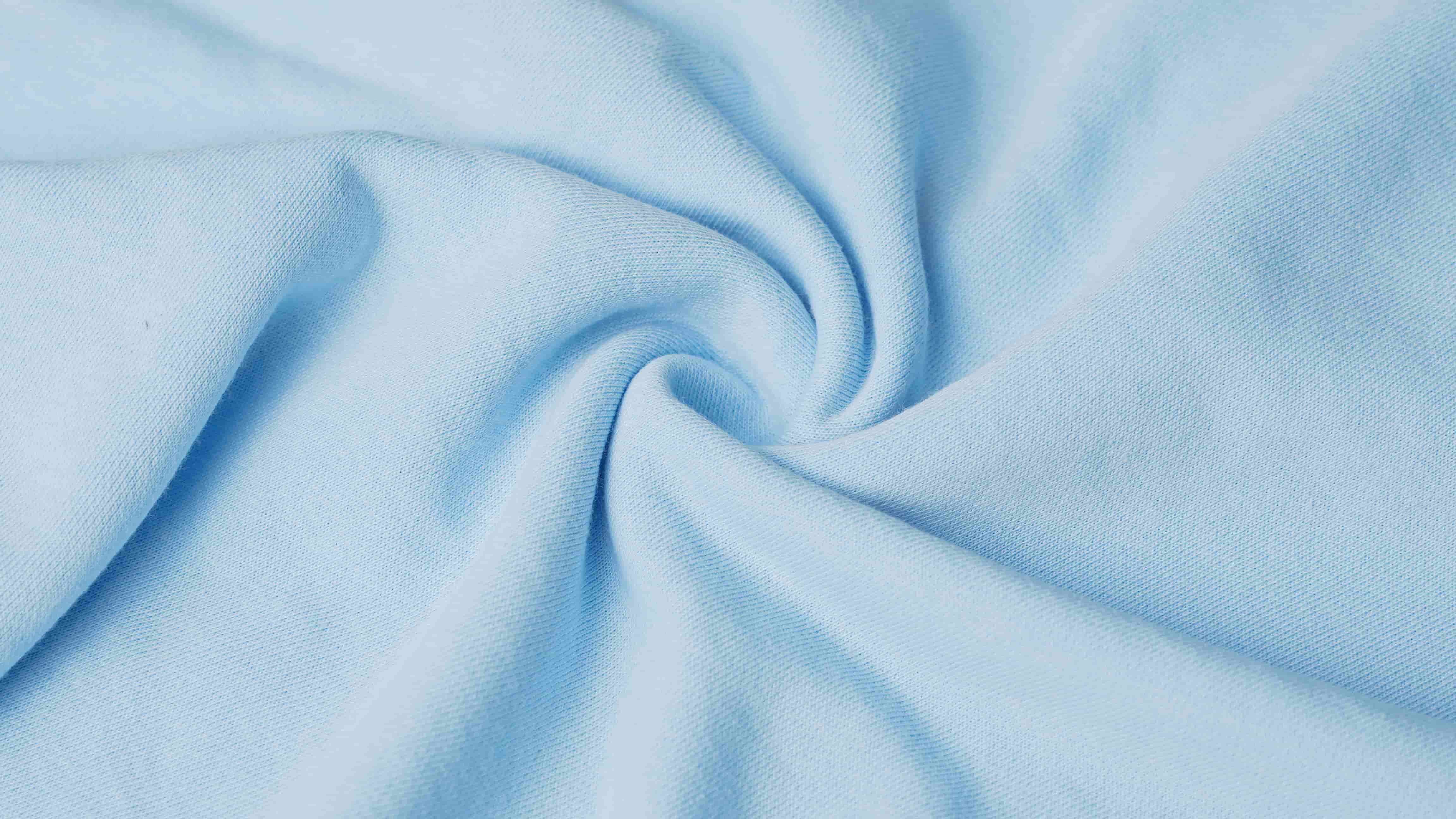
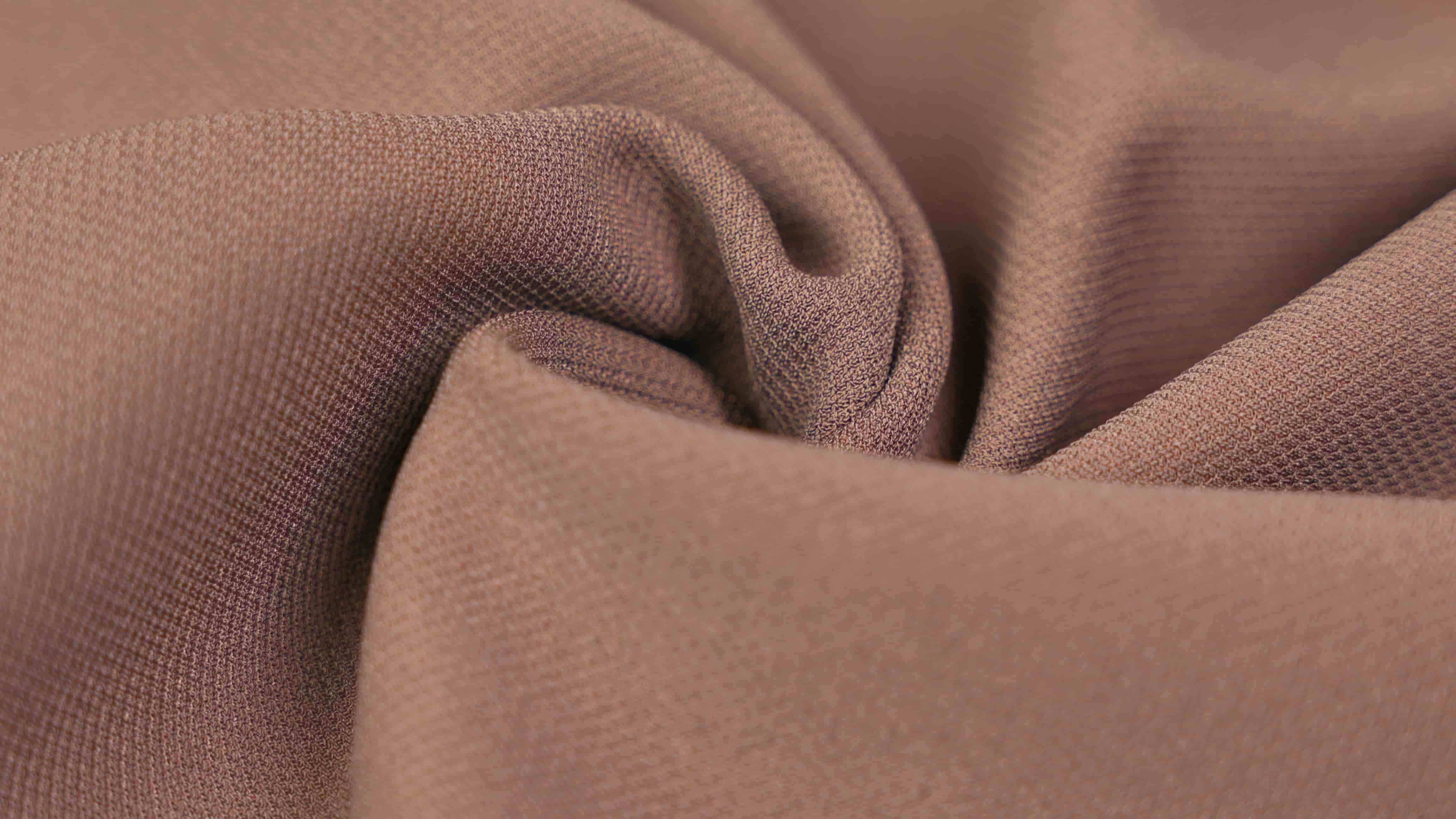
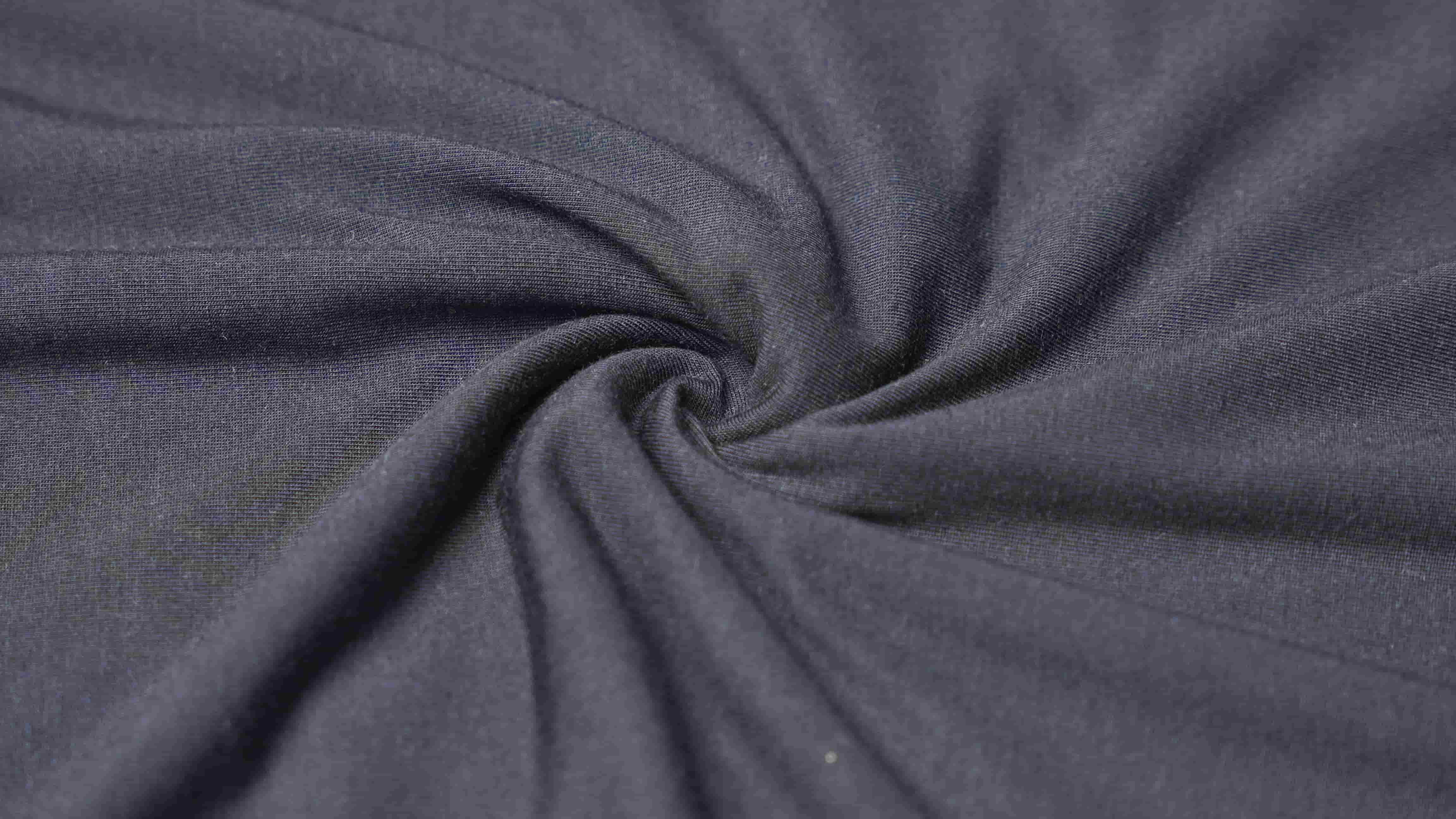
What Exactly Is Sports Knit Fabric? Let’s Break It Down.
Many people think that all stretchy fabrics are the same. They are not.
Sports knit fabric is created by looping yarns together instead of weaving them into a stiff grid. This creates natural stretch, softness, and flexibility. It moves with your body and springs back into shape, which makes it so versatile for leggings, training tops, and activewear.
Woven fabrics, such as dress shirt cotton, are more rigid because the yarns are locked at a right angle. They hold structure, but don’t move as easily. For running, yoga, workouts, or comfort all day, sports knit fabric is typically better.
The #1 Reason People Love Sports Knit Fabric: No More Clingy, Sweaty Discomfort
Let’s be honest. The worst part of any workout is when your shirt sticks to your back like wet plastic wrap.
Sports knit fabric solves that problem at the fiber level. It pulls sweat away from your skin and spreads it over the fabric’s surface, where air can evaporate it quickly. This is called moisture‑wicking, and it is the number one reason athletes and casual wearers alike choose sports knit fabric.
You stay dry. You stay light. You never get that heavy, clung‑to‑your‑body feeling that ruins a good run or a yoga flow. Even for everyday errands or lounging, this non‑clingy comfort makes sports knit fabric a joy to wear.
Have you ever worn a cotton t‑shirt on a humid summer day? It feels okay at first. Then you sweat a little, and the shirt sticks to your chest. Then you sweat more, and it feels like a wet towel. Sports knit fabric does the opposite. It pushes moisture away from you. That is the game‑changer.
Breathes Like a Dream – No More Overheating
Ever feel like your clothes are trapping heat? That happens with fabrics that don’t breathe.
Sports knit fabric has an open, airy structure. Oxygen moves through the loops easily, carrying excess body heat away. Some advanced sports knits even have tiny ventilation channels built right into the weave.
Wearers of well‑designed sports knit fabric report feeling noticeably cooler during peak sweat sessions. Whether you are sprinting on a track or just walking the dog on a humid day, breathability makes all the difference.
Let me give you an example. Two people run on a treadmill for 30 minutes. One wears a cheap cotton shirt. The other wears a sports knit fabric shirt. The cotton shirt person feels hot, sticky, and wants to rip the shirt off. The sports knitter feels warm but not trapped. They finish the run and can go straight to a coffee shop without changing. That is real‑world breathability.
Stretches Four Ways – So You Can Move Freely
Have you ever tried to do a lunge in rigid jeans? Not fun.
Sports knit fabric offers four‑way stretch. It expands vertically, horizontally, and diagonally. This means you can reach, twist, jump, and bend without any restriction. The fabric follows your body like a second skin.
Many sports knit fabric blends include a small amount of spandex (usually 5–20%) to boost recovery. After stretching, it snaps back into shape. No saggy knees on your leggings after a few washes.
Why does four‑way stretch matter for everyday wear, not just the gym? Because you move all day. You reach for something on a high shelf. You bend down to pick up a child. You twist to grab your bag from the back seat. Stiff fabric fights you. Sports knit fabric works with you. That is why athleisure has taken over the world.
Lightweight and Easy to Wear All Day
Heavy fabric wears you out. Even if you are just sitting at a desk, thick, dense material feels tiring.
Sports knit fabric is engineered to be light. Most performance knits weigh between 140 and 180 grams per square meter—about as light as a summer t‑shirt. You barely notice you are wearing it.
That is why so many people now wear sports knit fabric for everyday use: joggers to the airport, polo shirts to casual meetings, hoodies on long flights. It feels like wearing nothing, yet it performs like a champion.
Think about a long travel day. You wake up early, drive to the airport, wait in line, sit on a plane for five hours, then take a taxi to your hotel. Heavy jeans or stiff chinos would make you miserable by hour three. Sports knit fabric pants keep you comfortable the whole way. They breathe, they stretch, and they do not weigh you down.
Quick‑Drying – From the Gym to the Coffee Shop in Minutes
Imagine finishing a run. You have to dash to meet a friend. Do you really want to sit in a damp shirt for the next hour?
No. And with sports knit fabric, you do not have to.
Because moisture spreads out over a large area, it evaporates fast. In good conditions, a sweat‑soaked sports knit fabric tee can dry in 15–20 minutes. That is quick enough to cool down, change your shoes, and walk into a café feeling fresh.
This is a huge advantage for people who exercise during their lunch break. You can run for 30 minutes, cool down for 10, and put your work shirt back on. Your sports knit fabric base layer will be dry by the time you sit down at your desk. Try that with cotton. You will be damp for hours.
Softer Than You Think – Great for Sensitive Skin
Some people worry that performance fabrics feel scratchy or plastic‑like.
But high‑quality sports knit fabric—especially cotton‑rich blends—feels soft and smooth against the skin. The looped construction has no rough yarn ends. Some manufacturers even use long‑staple cotton to enhance softness.
For anyone with eczema or easily irritated skin, sports knit fabric is often more comfortable than scratchy wovens or poorly finished synthetics.
I have heard from people with sensitive skin who could never wear polyester workout clothes. The fabric made them itch or break out in rashes. But when they tried sports knit fabric made with cotton or bamboo blends, the problem disappeared. They could finally work out comfortably.
Resists Odor Better Than You Might Expect
Here is something people do not talk about enough: smell.
Synthetic fabrics like polyester are famous for trapping body odor. Even after washing, that stale sweat smell sometimes lingers.
Sports knit fabric, especially when it contains natural fibers like cotton or merino wool, resists odor much better. The natural fibers do not provide a breeding ground for odor‑causing bacteria. You can wear a sports knit fabric shirt for a full day of activity and still feel fresh.
This is a big deal for travelers or people with back‑to‑back meetings. You do not want to be the person who smells like yesterday’s workout. Sports knit fabric helps you avoid that embarrassment.
Holds Its Shape – No Saggy Knees or Baggy Elbows
Have you ever owned a pair of cheap leggings that got saggy knees after three washes? Infuriating.
Sports knit fabric is engineered to recover. The loop structure acts like a spring. When you stretch it, energy is stored. When you release that energy pulls the fabric back to its original shape.
High‑quality sports knit fabric uses tight knits and blends with elastane or spandex. These materials have excellent memory. Your leggings stay tight where they should. Your shirt cuffs do not stretch out. Your waistband does not roll down.
This shape retention is not just about looking good. It is about performance. Loose clothing can chafe. It can get caught on equipment. It can make you adjust constantly instead of focusing on your workout. Sports knit fabric stays put.
Where Does Sports Knit Fabric Shine? Real‑Life Scenarios
Running and high‑intensity training. You need moisture‑wicking, breathability, and freedom of movement. Sports knit fabric delivers all three. No chafing. No overheating. No distraction. Whether you run on a treadmill or on trails, the right knit keeps you comfortable mile after mile.
Yoga and Pilates. Stretching and twisting in every direction. Four‑way stretch is non‑negotiable. Sports knit fabric moves with you and recovers perfectly. You never feel restricted in a downward dog or a deep lunge. The fabric glides over your skin without binding.
Athleisure – the gym to brunch lifestyle. You want the comfort of workout clothes without looking like you just rolled out of a spin class. Sports knit fabric in joggers, hoodies, and polo shirts bridges that gap perfectly. Pair it with clean sneakers and a casual jacket, and you look put‑together but feel like you are wearing pajamas.
Base layers for cold weather. Even when it is chilly, you sweat. Sports knit fabric worn as a base layer pulls moisture away from your skin, keeping you dry and warm. No clammy back. No shivering because your shirt is wet. This is why skiers, snowboarders, and winter runners all wear performance base layers.
Team sports jerseys. Almost every professional jersey is made from sports knit fabric. Lightweight, breathable, and durable through tackles and slides. Soccer, basketball, football, and volleyball—all use knits. The fabric handles sweat, movement, and contact without falling apart.
Travel and long‑haul flights. Sitting in a cramped airplane seat for hours is miserable if your clothes do not move with you. Sports knit fabric pants and tops make travel bearable. They do not wrinkle. They breathe. They stretch when you curl up to nap. Frequent flyers have known this secret for years.
Every day, lounging and working from home. Let’s be real. Most of us work from home at least some of the time. You want to be comfortable but not sloppy. Sports knit fabric sweatpants or joggers look neat enough for video calls, but feel as soft as your favorite old sweatshirt. This is why the athleisure market exploded during remote work.
How Sports Knit Fabric Compares to Cotton and Polyester
| 특성 | Sports Knit Fabric | 100% Cotton | 폴리에스터 |
|---|---|---|---|
| Stretch | High (4‑way) | 낮음 | 보통 |
| Sweat management | Wicks and dries fast | Soaks but stays wet | Wicks can feel clammy |
| 통기성 | 우수 | Good, but worse when wet | Moderate to good |
| Comfort against skin | Soft, non‑clingy | Soft initially, heavy when wet | Can be slick or clammy |
| Odor resistance | Good (especially cotton blends) | Good | Poor (traps smells) |
| Drying time | Fast (15‑20 min) | Slow (hours) | Fast |
| Shape retention | 우수 | Poor (stretches out) | Good |
| Best for | Gym, daily wear, travel, layering | Light activity, casual | Intense sports, outerwear |
Cotton feels nice when dry, but the moment you sweat, it turns into a wet rag. Polyester dries fast but often feels slimy and holds onto smells. Sports knit fabric—especially smart blends like cotton‑wrapped nylon or bamboo‑polyester—gives you the best of both worlds: natural softness plus technical performance.
The Science Stuff – But Make It Simple
You do not need a chemistry degree to understand why sports knit fabric works so well.
Some high‑end sports knit fabric uses a clever trick: cotton fibers wrapped around a nylon core. The nylon keeps the fabric from going see‑through when you stretch. The cotton stays on the outside, where it feels soft. And because the cotton is wrapped, sweat travels along the nylon faster, away from your skin.
Other sports knit fabrics use one‑way moisture transmission. The inside repels water; the outside attracts it. Sweat is pulled in one direction—outward—like a pump. You stay dry even when working hard.
There is also double‑knit construction. Two layers of loops are stacked on top of each other. The inner layer is soft and moisture‑wicking. The outer layer is durable and smooth. This creates a fabric that feels premium and performs even better. Many high‑end leggings and sports bras use double‑knit sports knit fabric.
How to Choose the Right Sports Knit Fabric for Your Needs
Not every sports knit fabric is the same. Here is a quick guide to help you pick.
Jersey knit – Light, soft, good drape. Best for t‑shirts and base layers. It is the most common knit for casual activewear. Easy to care for and very breathable.
Interlock knit – Thicker, more stable than jersey. Great for leggings, shorts, and performance tops that need to hold shape. It does not stretch out as much as a jersey.
Rib knit – Very stretchy, great recovery. Used for cuffs, collars, and waistbands. You see rib knit on the edges of sweatshirts and the sides of tank tops.
Pique knit – Textured surface with tiny holes. Classic for polo shirts. Very breathable and wrinkle‑resistant. The little holes create airflow channels.
French terry – Loops on the inside, smooth on the outside. Soft, warm, and absorbent. Perfect for sweatshirts, joggers, and loungewear. The loops trap warm air.
Fleece knit – Brushed on the inside for extra softness and warmth. Ideal for cold‑weather activewear and cozy hoodies.
For high‑intensity training, look for sports knit fabric with moisture‑wicking finishes and at least 10% spandex. For yoga, a cotton‑spandex blend with four‑way stretch is excellent. For everyday wear, cotton‑polyester blends offer a great balance of softness, durability, and price.
Caring for Your Sports Knit Fabric – Make It Last
Good sports knit fabric can last for years if you treat it right. Here are some simple tips.
Wash in cold water. Hot water breaks down elastic fibers and can shrink natural fibers. Cold water cleans just as well without the damage.
Use a mild detergent. Harsh detergents strip away finishes and can irritate your skin. Avoid fabric softeners—they coat the fibers and ruin moisture‑wicking ability.
Do not use bleach. Bleach destroys spandex and fades colors. If you need to whiten, use oxygen bleach (like OxiClean) instead.
Tumble dry on low or hang dry. High heat damages elastic fibers. Your leggings will lose their snap. Your shirts will shrink. Air drying is safest.
Wash similar colors together. Dark sports knit fabric can bleed dye in the first few washes. Separate lights and darks.
Turn garments inside out before washing. This protects the outer surface from abrasion and reduces pilling.
Following these steps, a good sports knit fabric garment can easily last 3–5 years of regular use. Some people have workout tops that are a decade old and still going strong.
FAQ
Q1: Is sports knit fabric good for hot weather?
Yes. Its breathable, moisture‑wicking design keeps you cooler than cotton. The open-loop structure allows heat to escape. Many runners choose sports knit for summer training.
Q2: Can I wear sports knit fabric for work or casual outings?
Absolutely. Many people now wear sports knit polo shirts, chinos, and hoodies to the office or for daily errands. It looks neat but feels like loungewear. Choose darker colors and cleaner styles for a more polished look.
Q3: Does sports knit fabric shrink in the wash?
High‑quality sports knit fabric is pre‑shrunk or blended to resist shrinkage. Wash in cold water and tumble dry low to keep its fit. Avoid hot water and high heat.
Q4: Is sports knit fabric better than cotton for sensitive skin?
Often yes. The smooth looped structure has fewer irritating fiber ends. Cotton‑rich blends add natural softness without the wet‑and‑heavy problem of pure cotton. Look for OEKO‑TEX certified fabrics for extra safety.
Q5: How long does a sports knit fabric garment last?
With proper care (cold wash, low dry, no fabric softener), a good sports knit garment can last 3–5 years or longer. Some premium pieces last a decade. Cheap versions may pill or sag after a few months.
Conclusion – The Fabric That Fits Real Life
Sports knit fabric is no longer just for athletes. It has become a practical everyday choice for anyone who values comfort, flexibility, and all-day freshness. With natural stretch, breathable comfort, and quick-drying performance, it fits the pace of modern life.
Whether you are training, traveling, working from home, or simply relaxing on the weekend, sports knit fabric helps you stay comfortable without feeling restricted. It performs where many traditional fabrics fall short, which is why it continues to grow in activewear and casual apparel alike.
If comfort and performance matter to your brand or personal wardrobe, sports knit fabric is worth a closer look. Explore the Airflow Sports Cotton Knit Fabric to see how softness and function can work together.
