
Аннотация
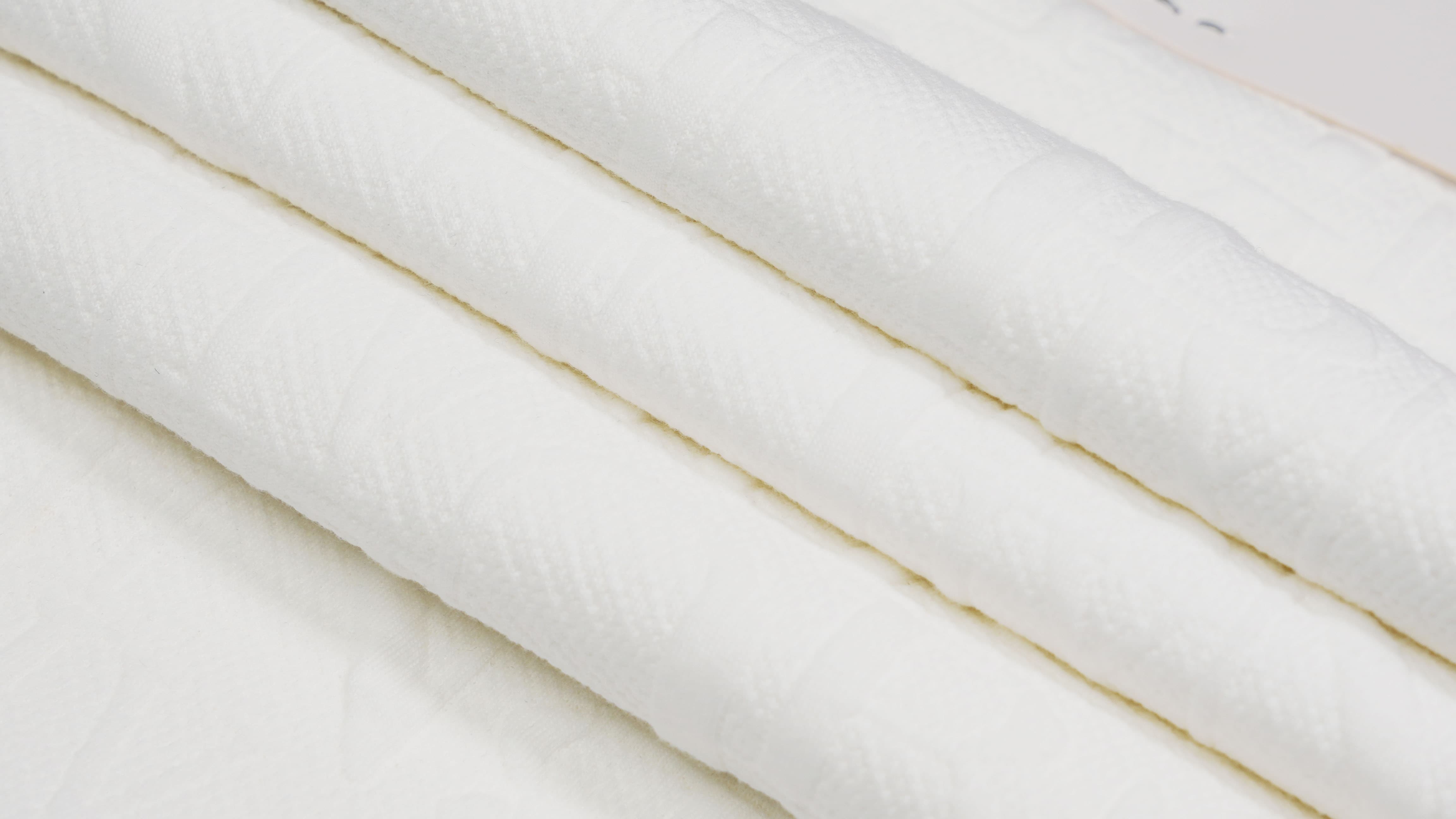
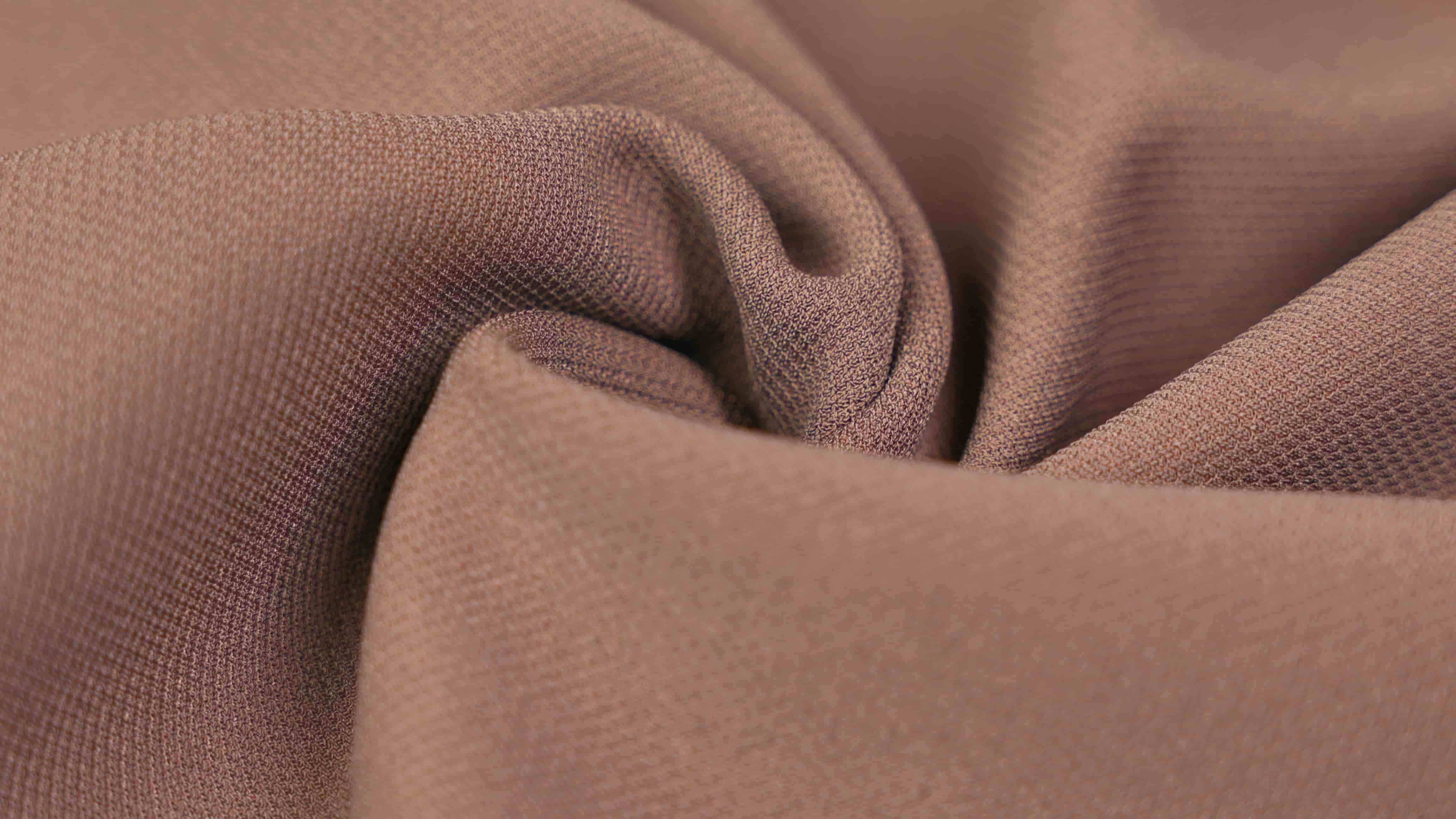
This comprehensive guide explores the technical specifications, performance characteristics, and commercial applications of soft knit fabric designed for relaxed-fit garments. Targeting B2B buyers in apparel manufacturing, this article covers material composition, breathability metrics, stretch recovery properties, and sourcing considerations for cotton-based knitted textiles optimized for comfort-driven fashion segments. The global knit fabric market, valued at approximately $186 billion in 2023, continues to expand as consumer preferences shift toward comfort-centric clothing. For manufacturers and brands seeking reliable knit fabric suppliers, understanding the technical differentiation between fabric architectures, performance testing protocols, and sustainability certifications is essential for competitive product development. This analysis provides actionable insights into yarn construction, knit structure variations, quality compliance standards, and strategic sourcing parameters that directly impact production efficiency and end-product marketability in the loungewear, athleisure, and casual apparel segments.
Material Composition and Fabric Structure
Cotton Fiber Selection and Yarn Construction
The foundation of high-performance soft knit fabric begins with cotton fiber quality and yarn engineering. Premium relaxed-fit textiles typically utilize combed cotton with staple lengths exceeding 28mm, which removes short fibers and impurities to produce smoother, stronger yarns with reduced pilling tendency. Carded cotton, while more economical, contains shorter fibers (20-25mm) that create a softer but less durable hand feel suitable for budget-conscious product lines. For manufacturers targeting the comfort segment, selecting the right soft knit fabric starts with these fiber specifications.
Yarn count selection directly influences fabric weight, drape, and breathability. The Ne (English count) system measures yarn fineness, with higher numbers indicating finer yarns. Relaxed soft knit fabric constructions commonly employ:
-
Ne 20s-24s: Heavier weight (180-220 GSM), enhanced durability for outerwear and structured loungewear
-
Ne 30s: Balanced weight (140-170 GSM), versatile for t-shirts and casual basics
-
Ne 40s: Lightweight (100-130 GSM), superior drape for layering pieces and summer collections
Single yarn systems (100% cotton) maximize natural breathability and moisture absorption, achieving wicking rates of 8-12 seconds in vertical wicking tests. Blended yarn constructions incorporating 5-10% elastane enhance stretch recovery while maintaining cotton’s tactile comfort. Ring-spun yarns produce tighter fiber alignment than open-end spinning, resulting in 15-20% higher tensile strength and smoother surface finish—critical factors for garments subjected to frequent washing cycles. A well-engineered soft knit fabric balances these parameters to meet both comfort and durability demands.
Knit Architecture: Jersey, Interlock, and Rib Variations
Knit structure determines the mechanical properties and aesthetic characteristics of relaxed-fit fabrics. The three primary architectures serve distinct commercial applications, each offering unique advantages for soft knit fabric production:
Single Jersey employs a plain knit construction with visible face and reverse sides, offering maximum horizontal stretch (30-40%) and excellent drape. The course density of 40-50 courses per inch creates a lightweight fabric ideal for t-shirts and activewear base layers. However, a single jersey exhibits edge curling and requires stabilization treatments for cut-and-sew operations.
Интерлок combines two jersey layers knitted simultaneously, producing a balanced, stable fabric with identical face and reverse surfaces. This double-knit structure reduces stretch to 20-25% but eliminates curling and provides superior dimensional stability. With Wales’ density ranging from 32-42 per inch, interlock fabrics suit polo shirts, dresses, and garments requiring structured silhouettes. The increased fabric weight (160-200 GSM) enhances opacity—a critical consideration for light-colored apparel. Interlock remains a preferred soft knit fabric for premium casual wear.
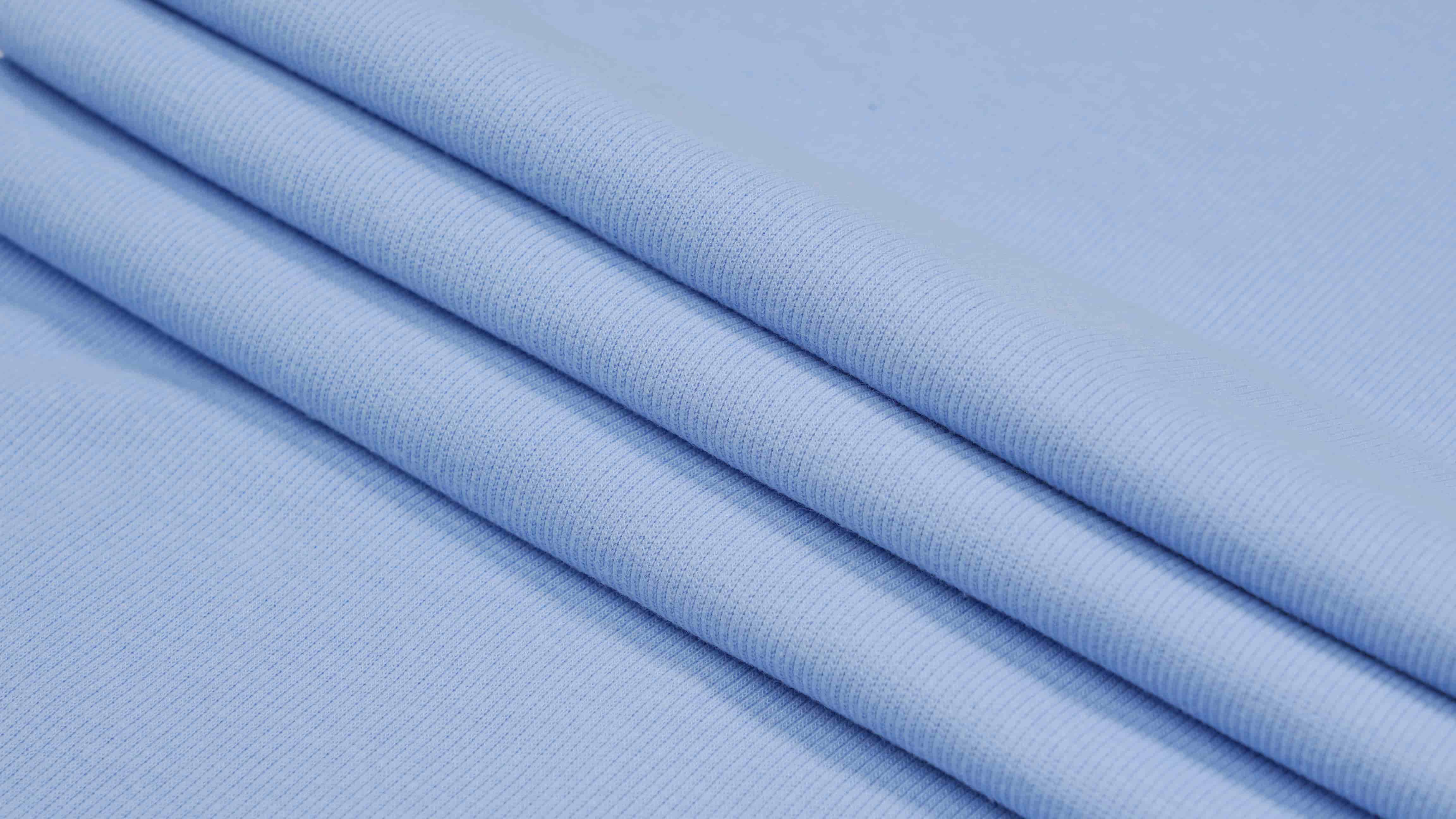
Rib Knit Variations (1×1, 2×2 configurations) create vertical texture through alternating knit and purl stitches, delivering exceptional crosswise elasticity (50-70%) while maintaining lengthwise stability. Rib fabrics are strategically deployed in cuffs, neckbands, and body-hugging designs. The raised texture increases surface area by 15-20%, improving moisture evaporation rates compared to flat knits.
French Terry features a jersey face with looped pile reverse, combining smooth exterior aesthetics with enhanced absorbency (moisture regain of 8-10%). This construction suits sweatshirts and athleisure pieces where comfort and performance converge, offering yet another versatile soft knit fabric option.
Technical Performance Specifications
Breathability and Moisture Management
Quantifiable breathability metrics differentiate commodity fabrics from performance-engineered textiles. Air permeability, measured per ISO 9237 standards, indicates the volume of air passing through fabric under controlled pressure. High-quality soft knit fabric for relaxed clothing achieves:
-
Single Jersey: 180-250 mm/s at 100 Pa pressure differential
-
Interlock: 120-180 mm/s (reduced due to double-layer density)
-
Rib Knits: 200-280 mm/s (enhanced by structural openness)
These values ensure adequate ventilation for all-day wear, preventing heat accumulation during moderate activity levels. Fabrics below 100 mm/s create discomfort in warm environments, while excessively high permeability (>300 mm/s) compromises wind resistance. Selecting the right soft knit fabric requires matching air permeability to the intended end-use environment.
Moisture Vapor Transmission Rate (MVTR) measures the fabric’s ability to transport perspiration vapor away from skin. Cotton soft knit fabric typically achieves MVTR values of 3,000-4,500 g/m²/24hr, compared to 2,000-3,000 g/m²/24hr for polyester blends. This 30-50% advantage in vapor transport explains cotton’s superiority in static comfort applications.
Wicking performance is assessed through vertical and horizontal wicking tests. Premium combed cotton knits demonstrate vertical wicking heights of 80-110mm after 10 minutes, while carded cotton reaches 60-85mm. The addition of hydrophilic finishing treatments can improve wicking speed by 25-35% without compromising fabric softness. For brands prioritizing moisture management, a properly finished soft knit fabric delivers noticeable performance gains.
Stretch and Recovery Properties
Elasticity and recovery characteristics determine garment fit retention and consumer satisfaction. Horizontal stretch percentage is measured using ASTM D2594 methodology, applying controlled force until the fabric extends to maximum capacity:
-
100% Cotton Jersey: 25-35% stretch, 85-90% recovery after 5 wash cycles
-
Cotton/Elastane Blend (95/5): 35-50% stretch, 92-96% recovery
-
Rib Knit Constructions: 50-70% stretch, 88-93% recovery
Recovery rate is equally critical—fabrics must return to within 5% of original dimensions after stretching to maintain garment shape. Low-quality knits exhibiting <80% recovery develop bagging at elbows and knees after minimal wear. A durable soft knit fabric maintains its recovery properties across multiple wash cycles.
Dimensional stability testing per AATCC 135 measures shrinkage after home laundering. Superior soft knit fabric demonstrates:
-
Lengthwise shrinkage: <3% after 5 wash cycles
-
Widthwise shrinkage: <5% (higher due to relaxation of knit tension)
Compressive shrinkage pre-treatment reduces these values to <2% lengthwise and <3% widthwise, essential for garments with precise sizing requirements.
Матрица сравнения эксплуатационных характеристик
| Fabric Type | Stretch (%) | Air Permeability (mm/s) | Коэффициент усадки (%) | GSM Range |
|---|---|---|---|---|
| Single Jersey | 30-40 | 180-250 | 3-5 | 120-180 |
| Интерлок | 20-25 | 120-180 | 2-4 | 160-220 |
| 1×1 Rib | 50-70 | 200-280 | 4-6 | 180-240 |
| French Terry | 25-35 | 150-220 | 3-5 | 220-280 |
Each soft knit fabric type occupies a distinct position in this matrix, guiding buyers toward appropriate constructions for specific garment categories.
Quality Standards and Compliance
Textile Testing and Certification Requirements
B2B buyers must verify compliance with international quality standards to mitigate supply chain risks and ensure consumer safety. Oeko-Tex Standard 100 certification verifies the absence of harmful substances across four product classes, with Class I (baby products) requiring the most stringent limits for formaldehyde (<16 ppm), heavy metals, and pesticide residues. For relaxed-fit clothing targeting general consumers, Class II certification suffices, permitting formaldehyde levels up to 75 ppm while maintaining strict controls on azo dyes and allergenic disperse dyes. Any reputable soft knit fabric supplier should provide Oeko-Tex documentation upon request.
GOTS (Global Organic Textile Standard) certification addresses both environmental and social criteria for organic cotton processing. GOTS-certified soft knit fabric must contain a minimum 70% organic fibers (95% for “organic” grade), utilize approved low-impact dyes, and demonstrate wastewater treatment compliance. This certification commands 15-25% price premiums but accesses premium retail channels and sustainability-conscious consumer segments.
Colorfastness testing per ISO 105 series evaluates dye stability under various conditions:
-
ISO 105-C06: Washing fastness (minimum Grade 4 required for commercial apparel)
-
ISO 105-B02: Light fastness (Grade 4-5 for outdoor/activewear applications)
-
ISO 105-E04: Perspiration fastness (Grade 4 minimum prevents color transfer)
Pilling resistance measured via ASTM D3512 (random tumble method) after 30-120 minutes determines surface durability. Premium soft knit fabric achieves Grade 4 or higher after 60-minute testing, while budget textiles often degrade to Grade 2-3, creating unacceptable fuzzing.
Sustainability and Traceability
Supply chain transparency has evolved from a marketing advantage to a procurement requirement. Better Cotton Initiative (BCI) certification ensures cotton sourcing follows water efficiency, pesticide reduction, and fair labor protocols. BCI-certified soft knit fabric enables brands to substantiate sustainability claims while accessing mainstream cotton supplies (BCI represents 22% of global cotton production).
Carbon footprint metrics increasingly influence sourcing decisions. Cotton soft knit fabric production generates approximately 5-8 kg CO₂e per kilogram of fabric, with dyeing/finishing accounting for 40-50% of total emissions. Suppliers implementing renewable energy and closed-loop water systems reduce footprints by 25-35%, creating competitive differentiation.
Recycled content integration addresses circular economy mandates. Post-consumer recycled cotton (10-30% blend ratios) maintains acceptable performance in relaxed-fit applications while reducing virgin fiber demand. However, recycled cotton’s shorter staple length (15-20mm) necessitates blending with virgin fibers to preserve strength and appearance. When sourcing sustainable soft knit fabric, buyers should verify recycled content percentages through third-party audits.
Blockchain-based traceability systems enable verification of origin claims, processing stages, and certification authenticity. Leading knit fabric suppliers now provide QR-coded documentation linking finished goods to specific cotton farms and processing facilities.
Application Scenarios and Market Positioning
Target Garment Categories
Soft knit fabric serves diverse comfort-driven apparel segments, each with specific performance requirements:
Loungewear prioritizes softness and unrestricted movement, utilizing 140-180 GSM single jersey or French terry constructions. Buyers seek fabrics with minimal skin friction (coefficient <0.3) and high moisture absorption for extended wear periods. The global loungewear market’s 8.5% CAGR through 2028 drives demand for premium cotton knits with organic certifications. A quality soft knit fabric for loungewear must balance weight, drape, and tactile comfort.
Athleisure requires balanced performance—cotton’s breathability combined with shape retention. Interlock fabrics (160-200 GSM) with 5% elastane provide structure for yoga pants and casual jackets while maintaining natural fiber aesthetics. This segment tolerates 10-15% price premiums for fabrics demonstrating <3% shrinkage and Grade 4+ pilling resistance. The right soft knit fabric for athleisure bridges the gap between activewear and casual wear.
Casual Basics (t-shirts, tank tops) consume the highest volumes at competitive price points. Ne 30s single jersey (140-160 GSM) dominates this category, with buyers emphasizing consistent dyeing quality and reliable delivery schedules over premium certifications. Minimum order quantities of 1,000-2,000 meters enable economical production runs. Here, the soft knit fabric value lies in repeatable quality rather than exotic features.
Maternity Wear demands exceptional stretch recovery and skin-safe certifications. Rib knit panels (180-220 GSM) with 40-50% bi-directional stretch accommodate body changes while maintaining garment integrity. Oeko-Tex Class I certification becomes mandatory for products contacting sensitive skin. A specialized soft knit fabric for maternity applications must undergo additional testing for elasticity retention.
MOQ and Lead Time Considerations
Strategic sourcing requires understanding production economics and scheduling constraints. Minimum Order Quantities (MOQ) vary by fabric complexity:
-
Stock fabrics (standard colors, constructions): 500-800 meters
-
Custom dyeing (specific Pantone matches): 1,200-2,000 meters per color
-
Specialized finishes (anti-microbial, moisture-wicking): 2,000-3,000 meters
Lead time components for soft knit fabric orders include:
-
Greige fabric production: 15-25 days (knitting, inspection)
-
Dyeing and finishing: 10-15 days (includes color lab dips, bulk dyeing, heat setting)
-
Quality testing: 5-7 days (third-party lab verification)
-
Logistics: 20-35 days (sea freight) or 5-7 days (air freight for urgent orders)
Total timelines range from 50-82 days for sea shipments, requiring buyers to forecast seasonal demand 3-4 months in advance. Just-in-time inventory models necessitate partnerships with suppliers maintaining 10,000+ meter stock programs in core colors (white, black, navy, gray).
Seasonal production planning must account for dyehouse capacity constraints during peak periods (February-April for summer collections, August-October for winter lines). Securing production slots 60-90 days before required delivery dates prevents schedule delays and premium pricing.
Часто задаваемые вопросы
1. What is the optimal GSM range for soft knit fabric in relaxed-fit t-shirts?
The ideal GSM (grams per square meter) range for relaxed-fit t-shirts is 140-170 GSM, utilizing Ne 30s yarn in single jersey construction. This weight provides sufficient opacity for light colors while maintaining breathability and drape. Fabrics below 130 GSM may appear sheer and lack durability, while weights exceeding 180 GSM create excessive stiffness unsuitable for relaxed silhouettes. Premium brands often specify 150-160 GSM for optimal balance between quality perception and wearing comfort across all seasons. When evaluating soft knit fabric for t-shirts, always request GSM certification from the supplier.
2. How does cotton soft knit fabric compare to synthetic blends in terms of breathability?
Хлопок soft knit fabric demonstrates 30-50% superior moisture vapor transmission (3,000-4,500 g/m²/24hr) compared to polyester blends (2,000-3,000 g/m²/24hr), resulting from cotton’s hygroscopic fiber structure that actively absorbs and releases moisture. Air permeability testing shows comparable results (180-250 mm/s for both materials), but cotton’s ability to absorb up to 27% of its weight in moisture without feeling damp provides superior comfort during prolonged wear. Synthetic blends offer advantages in stretch recovery (95%+ vs. 85-90%) and faster drying times, making material selection dependent on specific garment applications and target market preferences. For pure comfort in static settings, soft knit fabric with high cotton content remains the benchmark.
3. What are the key quality checkpoints when sourcing from knit fabric suppliers?
Critical verification points include: (1) Yarn quality documentation—request certificates of combed cotton percentage and yarn count verification; (2) Physical testing reports—demand recent lab results for shrinkage, pilling, and colorfastness from accredited facilities; (3) Production facility audits—verify certifications (Oeko-Tex, GOTS) through independent databases rather than supplier-provided documents; (4) Sample consistency—test multiple production lots to identify variation in hand feel, weight (±5% tolerance), and color matching (ΔE <1.0 for critical applications); (5) Finishing specifications—confirm heat-setting temperatures, compressive shrinkage treatment, and chemical formulations align with brand requirements. Establish clear acceptance criteria in purchase agreements with penalty clauses for non-conformance. These steps ensure every batch of soft knit fabric meets your specifications.
4. Can soft knit fabric be used for both summer and winter relaxed-fit garments?
Yes, through GSM and construction selection. For summer applications, lightweight soft knit fabric (100-130 GSM) in single jersey or rib knit provides maximum breathability and cooling. For winter, heavier soft knit fabric (180-240 GSM) in French terry or interlock constructions adds insulation and thermal retention. The same fabric family spans seasonal requirements, allowing brands to consolidate suppliers. Layering pieces often combines medium-weight soft knit fabric (140-170 GSM) for transitional seasons. By adjusting yarn count and knit architecture, the same supplier can deliver year-round solutions.
5. What is the minimum order quantity for custom-dyed soft knit fabric for a startup brand?
Most mills require 1,200-2,000 meters per color for custom dyeing of soft knit fabric. However, some suppliers offer “small batch” programs for emerging brands with 500-800 meter minimums at a 10-15% premium. For startups testing market acceptance, stock fabric programs (pre-dyed core colors) allow 200-500 meter orders with 2-3 week lead times. Always request lab dips (small color samples) before committing to full production—this step adds 2-3 weeks but eliminates color-matching surprises. As order volumes grow, per-meter costs for soft knit fabric decrease significantly beyond the 5,000-meter threshold.
Заключение
Selecting optimal soft knit fabric for relaxed-fit clothing requires balancing technical performance, production feasibility, and compliance standards. The critical decision framework encompasses yarn quality (combed cotton with Ne 30s-40s counts), knit architecture selection (single jersey for maximum drape, interlock for stability, rib for elasticity), and performance verification through standardized testing protocols. B2B buyers must prioritize suppliers demonstrating consistent quality control, transparent sustainability practices, and production capacity aligned with order volumes and seasonal timelines.
The convergence of consumer demand for comfort-driven apparel and regulatory pressure for sustainable sourcing elevates the importance of comprehensive supplier evaluation beyond price considerations. Successful procurement strategies integrate technical specifications (140-180 GSM weight range, <3% shrinkage, Grade 4+ colorfastness), certification requirements (Oeko-Tex Standard 100 minimum, GOTS for premium positioning), and operational parameters (1,200-2,000 meter MOQs, 50-82 day lead times) into cohesive sourcing frameworks. Investing in high-quality soft knit fabric reduces returns, enhances brand reputation, and drives repeat purchases.
As the knit fabric market evolves toward circular economy models and digital traceability, establishing partnerships with technically proficient suppliers offering both conventional and innovative soft knit fabric solutions positions brands for competitive advantage in the expanding relaxed-fit clothing segment valued at over $85 billion globally.
