
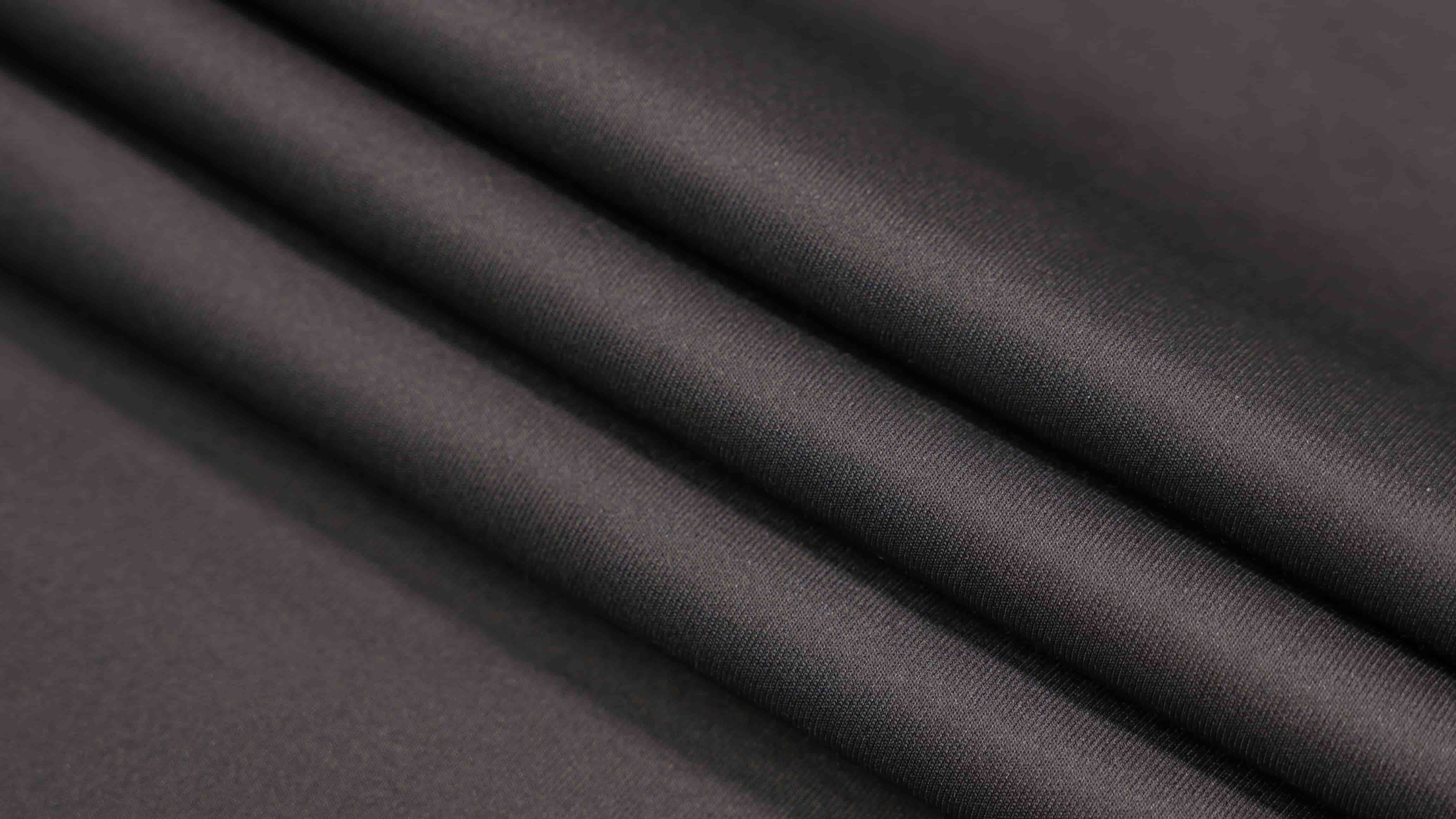
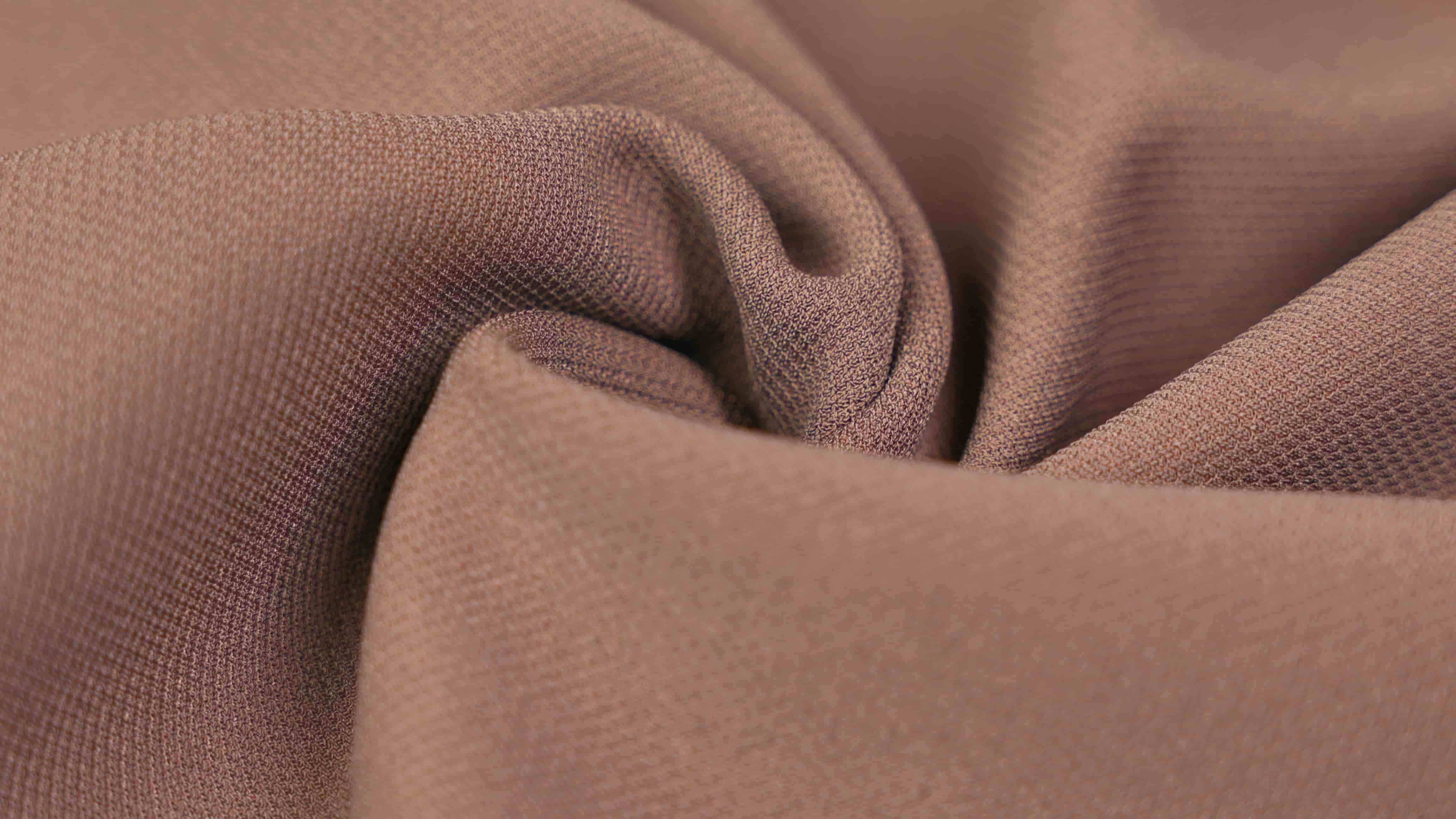
Cloud Jacquard Cotton–Wool Blend Knit Fabrics are high-quality knitted fabrics combining the softness of cotton, warmth, and elasticity of wool with a three-dimensional effect achieved by jacquard knitting. In textile industry terminology, ‘cloud’ frequently describes that type of fabric surface which is light, soft, and slightly lofty; hand plush but breathable. Such kind of fabrics find wide application in contemporary clothing as well as some home textiles where it cares about comfort, together with texture and a polished look.
This article shall discuss what cloud jacquard cotton-wool blend knit fabric is, how it has been developed, together with its structural and material characteristics, besides performance advantages that have made this application typical in the use of different considerations when selecting for end uses.
Understanding the Concept of Cloud Jacquard Knit Fabrics
The concept of cloud jacquard knit fabric specification is not a particular standard specification, but is more inclined toward its design and performance philosophy. ‘Cloud’ is used to describe both the hand feel and appearance characteristics of the fabric, while ‘jacquard knit’ refers to a method by which detailed patterns or textures are formed directly within the structure of the knit.
Jacquard knitting permits the selective control of individual needles. This feature helps in building complex motifs, raised patterns, and multi-dimensional surfaces. Soft cotton-wool fabrics made from such a structure provide an optimum level of softness, warmth, and breathability with visual effects leading to extra apparent richness. Such markets are fashion markets where comfort is as important as design detail.
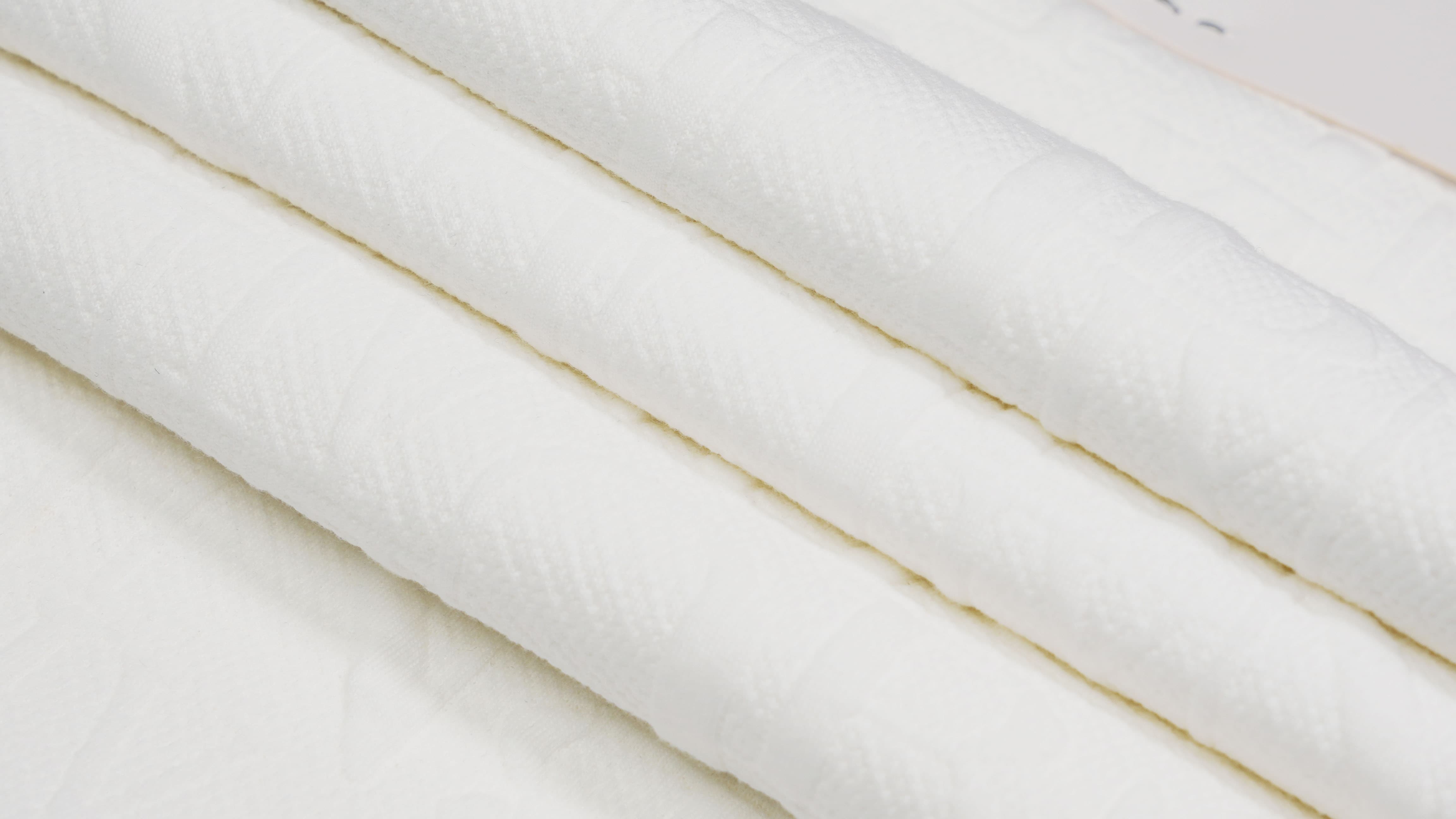
Composition of Cotton–Wool Blend Yarns
The yarn composition at the base of Cloud Jacquard Cotton–Wool Blend Knit Fabric contains cotton and wool, both natural fibers, but it is the different properties that they impart to the final textile.
The cotton fiber properties are soft, moisture-absorbent, and friendly to human skin characteristics. It behaves as a good temperature regulator because of air circulation through the fabric and absorption of excess perspiration from the body, which makes the garment comfortable for long wear.
Wool fibers provide warmth, elasticity, and natural insulation. The crimped structure of wool creates tiny air pockets that trap heat. Resiliency is provided by the fiber to help maintain shape in fabrics made from it over time. A slight loft is contributed by wool, which enhances a cloud-like hand feel.
Breathable yet thermally comfortable; softly durable; flexibly structured yarns are aimed at being achieved through blending cotton and wool.
The Role of Jacquard Knitting Technology
Jacquard knitting is a technique that allows complicated patterns to be formed directly in the fabric as it is being made. Unlike printed or embroidered designs, jacquard patterns are part of the fabric’s structure and thus more durable and dimensional.
Jacquard is more often associated with the provision of subtle texture, tone-on-tone patterns, or layered visual effects than striking high-contrast graphics in Cloud Jacquard Cotton–Wool Blend Knit Fabric. These patterns make the fabric look attractive while still maintaining comfort.
The knitting process determines the thickness, stretch, and drape of the material. Through variation in stitch density as well as location within a pattern, the textile can be engineered specifically for use either as lightweight sweaters or structured knit tops.
Key Physical Characteristics
Cloud Jacquard Cotton-Wool Blend Knit Fabric is known for a set of physical characteristics that clearly distinguish it from any simple knit fabric.
The surface is typically soft, gently cushioned with slight loft that has warmth without being heavy. The jacquard texture provides visual depth to make the fabric look refined and premium.
The fabric has moderate stretch and recovery to allow it comfortably conform to the body, yet shows good elasticity in holding its shape. Another important feature is breathability, which is provided by both the natural fibers and the knit structure.
Based on yarn count and density of knitting, a light to medium-weight fabric can be obtained, hence suited for use duringtransitional seasonsandforlayeringgarments.
Thermal and Moisture Performance
One of the main advantages offered by cotton-wool blend fabrics is in thermal regulation. Wool acts as insulation through trapped air, and cotton prevents the build-up of excessive heat, allowing air to pass through together with moisture.
Cloud Jacquard Cotton-Wool Blend Knit Fabric has that perfect combination of balance which makes the fabric appear warm under cool conditions but comfortable within internal environments or low levels of activity. The knit construction adds to this functionality by permitting vapor, hence reducing ‘clamminess’ often associated with such heavy fabrics.
That is what makes this fabric suitable particularly for apparel of the autumn and winter seasons, as well as in climatic conditions with fluctuating temperatures.
Comfort and Wearability
Comfort is a defining attribute of Cloud Jacquard Cotton–Wool Blend Knit Fabric. The cotton component softens the hand feel and reduces the itchiness sometimes associated with pure wool fabrics. At the same time, wool contributes elasticity, allowing the fabric to move naturally with the wearer.
Most often, the feel of the cloud is associated with how the fabric wears: light, cushy, and gently enveloping rather than heavy or restrictive. This makes it more wearable for garments supposed to be worn every day, like sweaters, cardigans, and knit dresses.
Durability and Shape Retention
Blending cotton with wool also improves durability compared to single-fiber knits. Wool’s natural resilience helps the fabric recover from stretching and resist sagging, while cotton provides strength and stability.
The jacquard knit is always stronger than a plain jersey because the interlocking pattern gives structural strength to the fabric. With little care, Cloud Jacquard Cotton-Wool Blend Knit Fabric can stay good both in look and performance for several seasons.
Typical Applications in Apparel
Cloud Jacquard Cotton-Wool Blend Knit Fabric is most generally used in clothing that provides comfort and warmth with some visual interest. Sweaters or pullovers, cardigans, and knit tops are among the most frequent applications.
This is one of those preferred designer fabrics for a slightly textured, high-quality feeling component without being overly heavy. The jacquard patterns can be used to uplift very basic silhouettes so that such garments find usability both at home and in semi-formal environments.
In some cases, the fabric is also used for scarves and shawls. Soft lightweight outerwear where softness and insulation are key considerations.
Use in Home Textiles and Other Products
Cloud Jacquard Cotton–Wool Blend Knit Fabric is fundamentally an apparel textile but may also be found in a limited range of home textile products. Throws, cushion covers, and other decorative textiles can take advantage of both its texture and warmth. The jacquard pattern supplies visual richness while the cotton-wool blend provides softness to the touch; unfortunately for lovers of fine fabrics at home, usage in this sector is restricted more by cost (and indeed care) considerations than it ever would be with fashion!
Sustainability and Natural Fiber Appeal
Both cotton and wool are natural fibers. That makes the fabric attractive in markets that appreciate sustainability and natural materials. Wool is renewable, biodegradable, and cotton is widely known for its comfort and use in many different applications.
Cotton/wool-blended fabrics can suit the needs of eco-friendly designers if sourced and processed in a responsible way. Added to that is the fact that jacquard knit fabrics are durable, long-lasting, and do not need frequent replacement―all aspects shared by general consumption trends toward sustainability.
Considerations When Choosing This Fabric
The factors to be considered in the selection of Cloud Jacquard Cotton-Wool Blend Knit Fabric include fiber blend ratio, warmth, softness, and cost. The knit density relates to weight per unit area or drape properties, as well as its durability.
They should also consider if it is easy to care for because most fabrics containing wool need gentle wash methods. Garments’ end-use requirements should guide the stretch needed from the fabric, how complex a pattern can be created on it, and whether it will suit summer or winter collections.
Care and Maintenance
Care is the single most important factor in maintaining the performance and good looks of cotton/wool knit fabrics. Wash gently, at low temperature with little agitation to avoid shrinkage and distortion. Dry flat, do not overdry or overheat to maintain shape and texture. Proper care rules will lengthen the life span of the fabric and cloud softness.
Market Trends and Design Directions
The Cloud Jacquard Cotton-Wool Blend Knit Fabric has been a favored choice for premium knitwear collections. More end users are seeking fabrics that feel good to touch and look rich, apart from being practical.
Design trends also move toward minimal patterns-intonal jacquard effects, and natural color palettes highlighting texture rather than strong graphics. This fabric suits such preferences; hence,e it can play many roles in contemporary fashion.
FAQ
What does “cloud” mean in cloud jacquard knit fabric?
“Cloud” describes the fabric’s light, soft, and gently voluminous hand feel rather than a specific technical standard.
Is cotton–wool blend knit fabric suitable for sensitive skin?
Yes. The cotton component reduces the itchiness of wool, making the fabric more comfortable for many wearers.
Is jacquard knit fabric durable?
Jacquard knit fabrics are generally durable because the patterns are integrated into the structure rather than applied on the surface.
What seasons are best for this fabric?
Cloud Jacquard Cotton–Wool Blend Knit Fabric is ideal for autumn, winter, and transitional seasons due to its balanced warmth and breathability.
