
Introduction
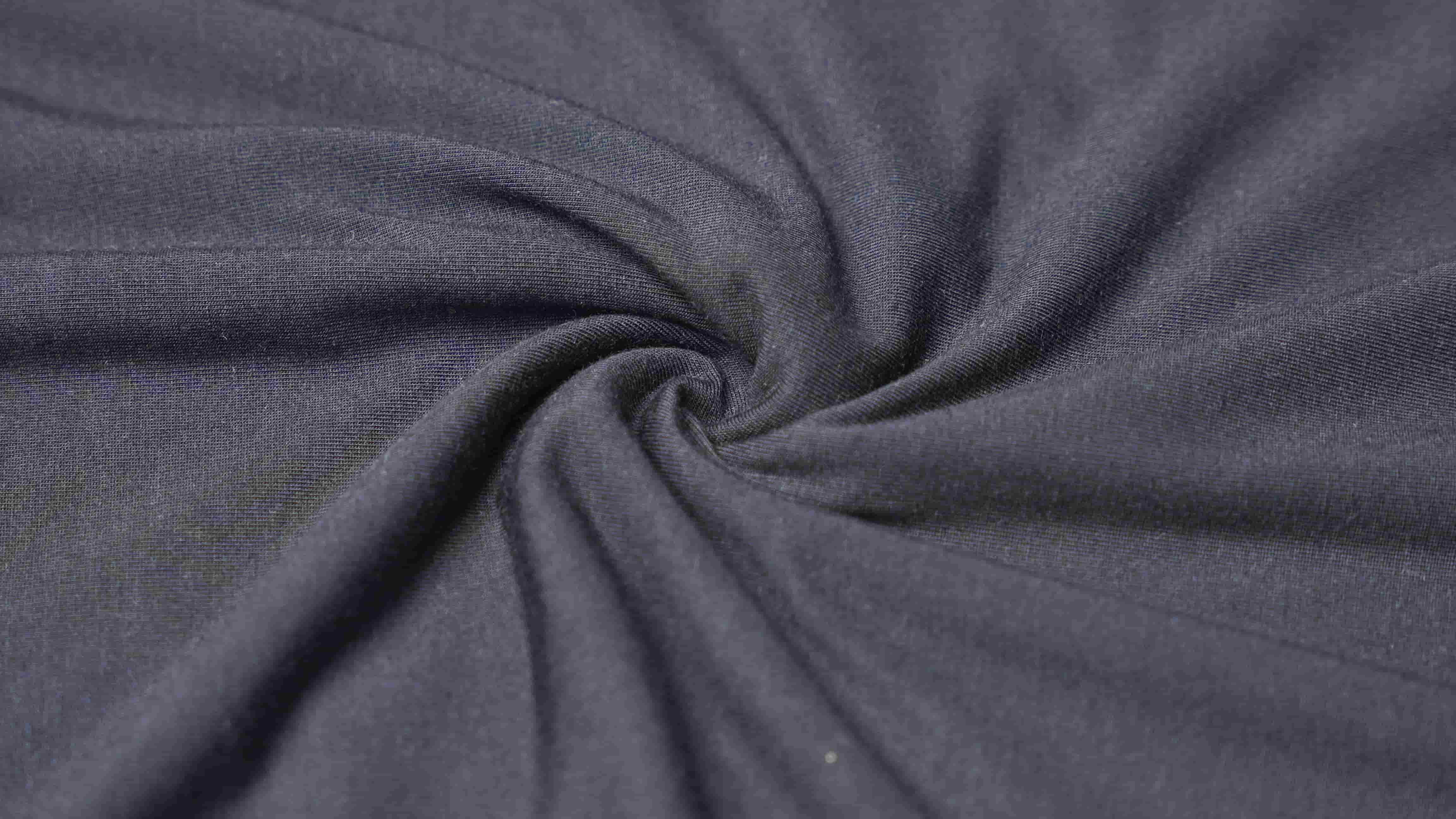
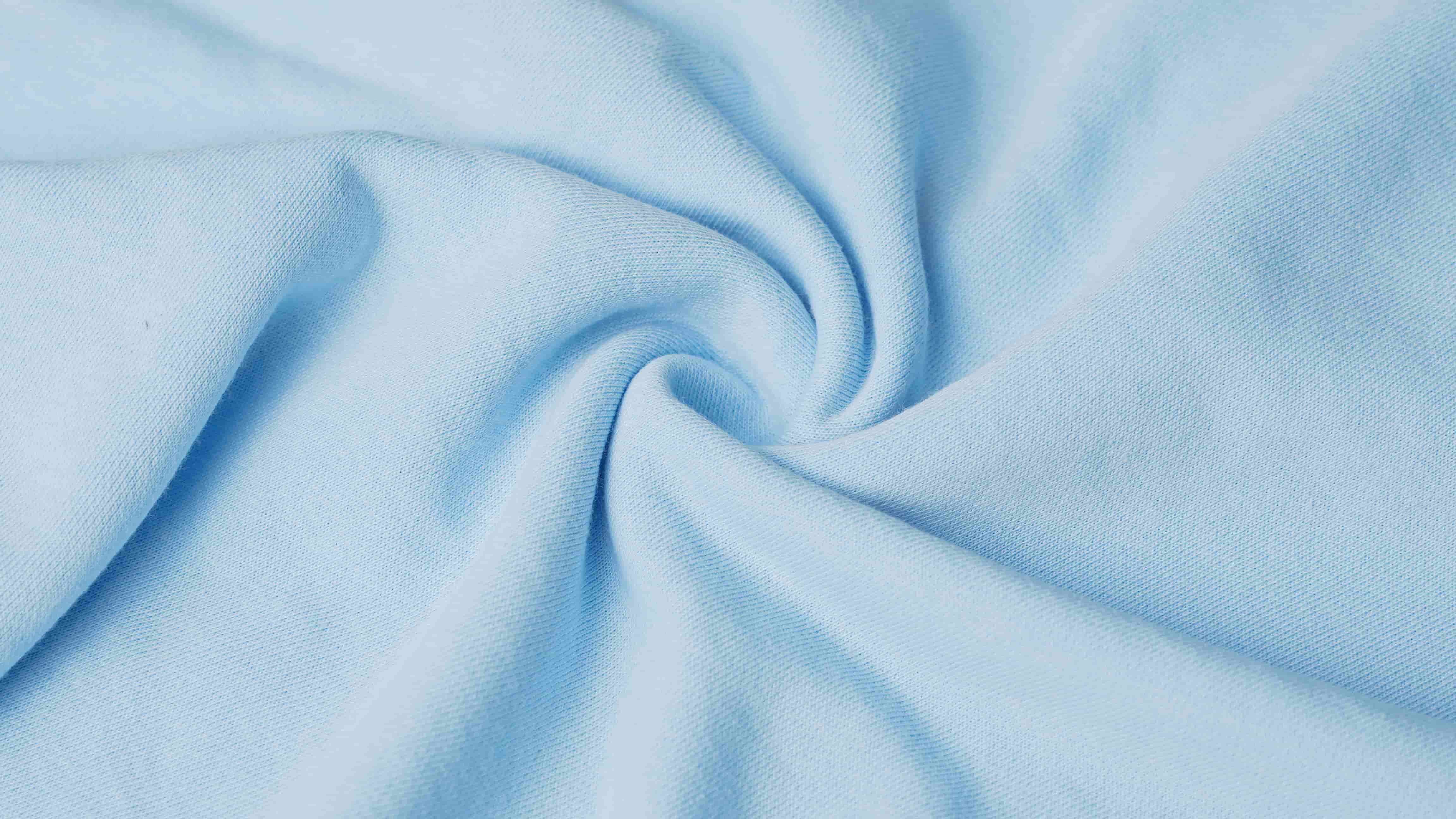
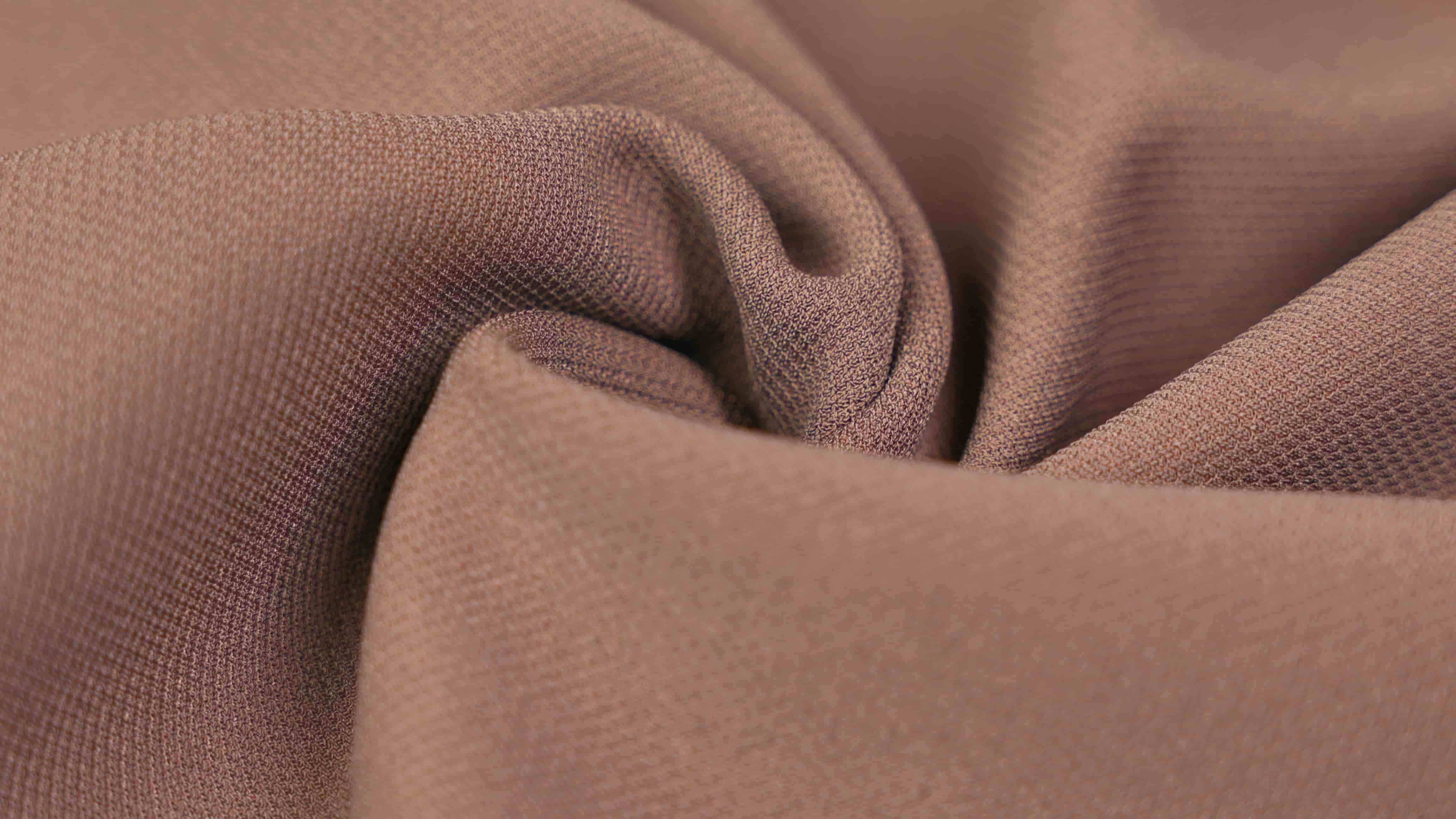
Skin Recovery Cotton Knit Fabric is a 100% cotton knit engineered at the yarn level to reduce skin friction by minimizing microscopic fiber protrusions. Unlike standard cotton fabrics, which rely on chemical softeners that gradually wash out, Skin Recovery Cotton Knit Fabric achieves lasting smoothness through a proprietary post-spinning process commonly referred to as Celofil. This yarn-level engineering ensures that softness and low-irritation performance remain consistent even after repeated washing and daily wear.
The need for Skin Recovery Cotton Knit Fabric is supported by dermatological research on fabric–skin interaction. Studies show that regular cotton contains short fibers that expand and contract with moisture, creating mechanical friction that can irritate sensitive or atopic skin. Although cotton is widely recommended for eczema-prone skin due to its breathability and natural origin, this inherent friction can still trigger itching and discomfort. By addressing the issue at the yarn structure level, Skin Recovery Cotton Knit Fabric provides a more consistent reduction in mechanical irritation, making it especially suitable for individuals managing chronic skin sensitivity conditions.
Why Standard Cotton Fails Sensitive Skin — and How Skin Recovery Cotton Knit Fabric Is Different
Standard cotton is breathable, absorbent, and recommended by dermatologists worldwide. It should, in theory, be the perfect fabric for sensitive and eczema-prone skin. The problem is structural. During spinning, countless short fiber ends protrude from every yarn surface. Each of these microscopic ends acts as a friction point when fabric moves against skin. For a healthy barrier, this goes unnoticed. For skin already compromised by eczema, psoriasis, post-procedure healing, or chemotherapy sensitivity, the same friction can provoke itching, inflammation, and cycles of damage that delay recovery.
This friction intensifies in damp conditions. Cotton fibers swell when they absorb moisture, lifting and bending ends that lay flat when dry. The fabric that felt soft in the morning can become measurably rougher by midday — exactly when sensitive skin is most vulnerable. Clinical reviews published in Physicians Weekly note that conventional cotton shows “mixed evidence in improving atopic dermatitis symptoms,” and the large ABC trial in the British Journal of Dermatology found no additional benefit from antibacterial agents in therapeutic clothing. The evidence isolates surface smoothness as the key mechanical variable. Skin recovery cotton knit fabric directly addresses this evidence by engineering yarn-level smoothness rather than relying on topical treatments.
The implications go beyond comfort. When fabric friction triggers itching, the subsequent scratching damages the skin barrier further, allowing irritants and allergens to penetrate. This itch-scratch cycle is one of the hardest patterns to break in dermatology. Any textile that can reduce the initial friction trigger becomes part of the therapeutic strategy, not merely a passive covering. Skin recovery cotton knit fabric is positioned precisely at this intersection: a textile designed to reduce the mechanical provocation that standard cotton leaves unmanaged.
Skin Recovery Cotton Knit Fabric Technology: How Celofil Works
The defining feature of skin recovery cotton knit fabric is its yarn engineering process. Rather than applying softeners to finished fabric, the Celofil method works on individual yarns before knitting begins. It mechanically reduces short fiber protrusions — what textile engineers call hairiness — creating a structurally smoother yarn that then becomes a structurally smoother fabric.
This approach generates several practical benefits that last for the life of the garment:
-
Long-lasting smoothness: The surface quality is inherent to the yarn structure. It does not rely on a coating that degrades, so the fabric remains smooth through dozens of wash cycles — a critical factor for garments worn daily against sensitive skin.
-
Minimal fiber shedding: Short fibers are removed during processing, which means they do not release during laundering to roughen the fabric surface over time. Standard cotton tends to develop increasing surface fuzz with each wash, gradually becoming more irritating.
-
No chemical softeners needed: The fabric remains 100% cotton without silicone, enzyme, or resin additives that could introduce potential skin sensitizers. This keeps the material profile clean and simplifies labeling for brands targeting the sensitive-skin market.
-
Mercerized appearance achieved mechanically: Conventional mercerization uses sodium hydroxide to produce luster and strength. Skin recovery cotton knit fabric achieves a similar subtle sheen and good colorfastness through physical yarn refinement, reducing chemical residue concerns.
The yarns specified are high-count pure cottons in counts from 32’S up to 60’S. In the English cotton count system, finer counts demand longer, more uniform individual fibers to maintain adequate strength during spinning. This creates a natural quality filter: short, weak fibers simply cannot form a stable 60’S yarn. By starting with this superior raw material and then applying Celofil processing, skin recovery cotton knit fabric achieves a surface quality that is both objectively smoother and demonstrably more durable than what conventional cotton knits can offer.
Skin Recovery Cotton Knit Fabric vs Regular Cotton Knit Fabric
The differences between skin recovery cotton knit fabric and regular cotton knit fabric become most apparent when evaluated across the performance dimensions that affect daily wear on sensitive skin.
| Performance Factor | Skin Recovery Cotton Knit Fabric | Regular Cotton Knit Fabric |
|---|---|---|
| Yarn surface hairiness | Low — short fibers are reduced at the yarn stage by Celofil processing | Variable — many protruding short fiber ends remain, depending on spinning quality |
| Friction against skin | Reduced structural smoothness is permanent from the first wear | Higher friction increases noticeably when the fabric is damp from perspiration or humidity |
| Softener reliance | None — smoothness is inherent to the yarn structure | Often depends on silicone softeners or enzyme washes that gradually wash out |
| Fiber shedding after washing | Minimal — prevented by the yarn-level process | Continuous; released fibers redeposit on the fabric surface, creating new roughness. |
| Moisture behavior | Absorbent yet quick to release water; minimal damp-cling against skin | Absorbent but slow to dry; damp fabric adheres to skin and increases friction |
| Colorfastness | Maintained through mechanical processing | Dependent on dye quality and fixation process, it may bleed with compromised dye jobs. |
| Chemical additives | No softeners or coatings required; clean manufacturing profile | Frequently treated with topical finishing agents that can raise sensitization questions |
| Surface appearance over time | Remains consistently smooth; does not develop progressive fuzz | Gradually roughens as short fibers migrate to the surface and pills form |
In summary, skin recovery cotton knit fabric delivers structural smoothness that endures. Regular cotton depends on temporary treatments that fade, and its mechanical friction profile worsens with age. For a garment worn directly against healing or reactive skin for hours at a time, that difference is not subtle — it determines whether the fabric helps or hinders the recovery process.
Skin Recovery Cotton Knit Fabric Applications in Textiles
Sensitive Skin and Eczema Apparel
Everyday clothing — t-shirts, base layers, undergarments — represents the largest application category for skin recovery cotton knit fabric. These are garments worn in direct skin contact for extended periods, often during activities that generate heat and perspiration. The fabric’s structural smoothness reduces the mechanical triggers that initiate itch-scratch cycles, and because that smoothness is permanent rather than a coating, it stays consistent through repeated wear and laundering. Standard cotton cannot reliably offer this consistency; its post-laundering fuzz development means comfort may degrade just as the garment is broken in.
For brands developing sensitive-skin lines, this fabric provides a substantiable narrative. Instead of relying on vague “hypoallergenic” claims, they can reference a specific, named process — Celofil — and explain that the fabric’s gentleness is engineered into the yarn itself. In a market where consumers increasingly scrutinize textile claims, this level of transparency supports both trust and premium pricing.
Post-Procedure and Recovery Wear
After dermatological procedures, laser treatments, or during chemotherapy cycles, the skin barrier is temporarily fragile. Even fabrics that feel soft to a healthy hand can cause discomfort and irritation. Skin recovery cotton knit fabric for textile applications in medical recovery contexts offers a gentler contact surface that reduces mechanical stress during the healing window.
Crucially, the fabric achieves this without added antimicrobial agents or chemical finishes. Patients applying medicated creams or undergoing topical treatment protocols can wear garments made from this fabric without concern for chemical interaction or sensitization. The fabric supports the skin, but does not attempt to treat it — a distinction that keeps the garment in the textile category rather than the medical device category, simplifying regulatory pathways for manufacturers.
Loungewear and Sleepwear
Sleep brings eight hours of continuous fabric contact. Body temperature rises, perspiration increases, and unconscious movement generates friction throughout the night. These conditions amplify even minor fabric roughness. Pajamas and loungewear constructed from skin recovery cotton knit fabric are designed to minimize this nighttime stress.
The fabric’s moisture behavior adds sleep-quality benefit. Cotton remains absorbent, which is valuable, but the reduced cling when damp means the fabric does not stick and drag across sensitive areas. For eczema sufferers who experience nocturnal itching — a well-documented phenomenon linked to circadian rhythms and temperature changes — this drier, lower-friction sleep environment can meaningfully improve rest quality.
Baby and Children’s Garments
Infant skin is structurally thinner and more permeable than adult skin, with a developing barrier function that responds acutely to both mechanical and chemical irritants. Pediatric eczema affects up to 20% of children globally, and clothing choices are a daily management variable for millions of families.
Skin recovery cotton knit fabric combines inherent smoothness with a chemical-additive-free profile. This matters for young children whose skin barrier is still maturing and whose garments require frequent washing. The fabric’s smoothness does not diminish with laundering, so a baby’s onesie remains as gentle after its thirtieth wash as it was on first wear. For parents managing pediatric skin conditions, this washable performance removes a variable from the already complex equation of keeping their child comfortable.
What Clinical Research Reveals About Fabric and Skin
Published research consistently points to mechanical friction as a critical variable in fabric-skin interaction — one that often outweighs chemical finishes in importance for comfort outcomes.
The ABC trial, a large-scale randomized controlled study, tested antibacterial therapeutic clothing against standard therapeutic textiles over 52 weeks in patients with moderate-to-severe atopic dermatitis. The results showed no significant additional benefit from antibacterial agents. The authors concluded that surface smoothness, not chemical treatment, was the determining variable. Additional research on silk garments reinforced this pattern: specially knitted silk with antimicrobial finish improved eczema symptoms, while standard silk without finish did not — demonstrating that the knit structure and surface engineering mattered more than the fiber or the finish alone.
Zinc oxide-functionalized textiles have shown rapid improvements in AD severity and sleep quality in clinical settings. However, these results depend on a bioactive finish with antimicrobial and anti-inflammatory properties — a different category from purely mechanical fabric-skin optimization. For brands and manufacturers, the distinction matters: bioactive textiles may enter regulated medical device territory, while mechanical friction-reduction remains in the textile domain.
This body of evidence frames the rationale for skin recovery cotton knit fabric. It targets the variable that clinical research identifies as most directly within fabric design’s control — mechanical irritation — and addresses it through structure rather than additives. The approach is evidence-aligned without overpromising: it supports skin comfort, but does not claim to treat disease. That measured positioning is both more credible and more scalable for textile brands.
FAQ
Q: What is skin recovery cotton knit fabric?
A: It is a 100% cotton knit produced with a proprietary yarn-level process called Celofil. This mechanically reduces short fiber protrusions on high-count yarns, creating a structurally smoother surface that minimizes friction against sensitive or healing skin.
Q: What are the benefits of skin recovery cotton knit fabric?
A: Benefits include lower skin friction without chemical softeners, minimal fiber shedding after washing, durable smoothness through repeated laundering, and maintained breathability — all of which support comfort for eczema-prone and sensitive skin.
Q: How does skin recovery cotton knit fabric differ from regular cotton?
A: Regular cotton yarns contain many protruding short fiber ends that create friction, especially when damp. Skin recovery cotton knit fabric reduces these protrusions at the yarn stage, making smoothness structural and permanent rather than dependent on topical treatments that wash out.
Q: Does skin recovery cotton knit fabric use antibacterial agents?
A: No. Its skin-gentleness comes from physical yarn smoothness, not chemical additives. This aligns with clinical evidence indicating that mechanical friction reduction matters more than antibacterial finishes for most atopic skin conditions.
Q: What textile applications suit skin recovery cotton knit fabric?
A: It is well-suited for sensitive-skin base layers, eczema-friendly apparel, post-procedure recovery wear, loungewear, sleepwear, and baby garments — any application where prolonged skin contact and low mechanical friction are priorities.
Conclusion
Skin recovery cotton knit fabric represents a focused solution to a well-documented problem: the mechanical friction that standard cotton generates against compromised skin. By engineering smoothness at the yarn level through the Celofil process, it delivers a surface that stays soft and low-irritating through repeated use — addressing the variable that clinical research identifies as most directly connected to fabric-skin comfort.
The fabric’s performance is inherent, not applied. Smoothness does not wash out. Fiber shedding does not progressively roughen the surface. And the material achieves its benefits without antimicrobial agents, chemical softeners, or caustic mercerization — keeping the profile clean and the claims substantiable.
For textile developers and brands building product lines for the growing sensitive-skin market, skin recovery cotton knit fabric offers a structurally engineered solution backed by a named technology, a clear performance comparison against regular cotton, and an evidence-aligned rationale. As consumer expectations shift toward textiles that actively support skin wellbeing, fabrics with verifiable, durable skin benefits will define the premium tier.
If you are evaluating high-performance cotton fabrics for sensitive-skin applications, reach out to our textile specialists for samples, process documentation, and detailed yarn specifications tailored to your product development needs.
