
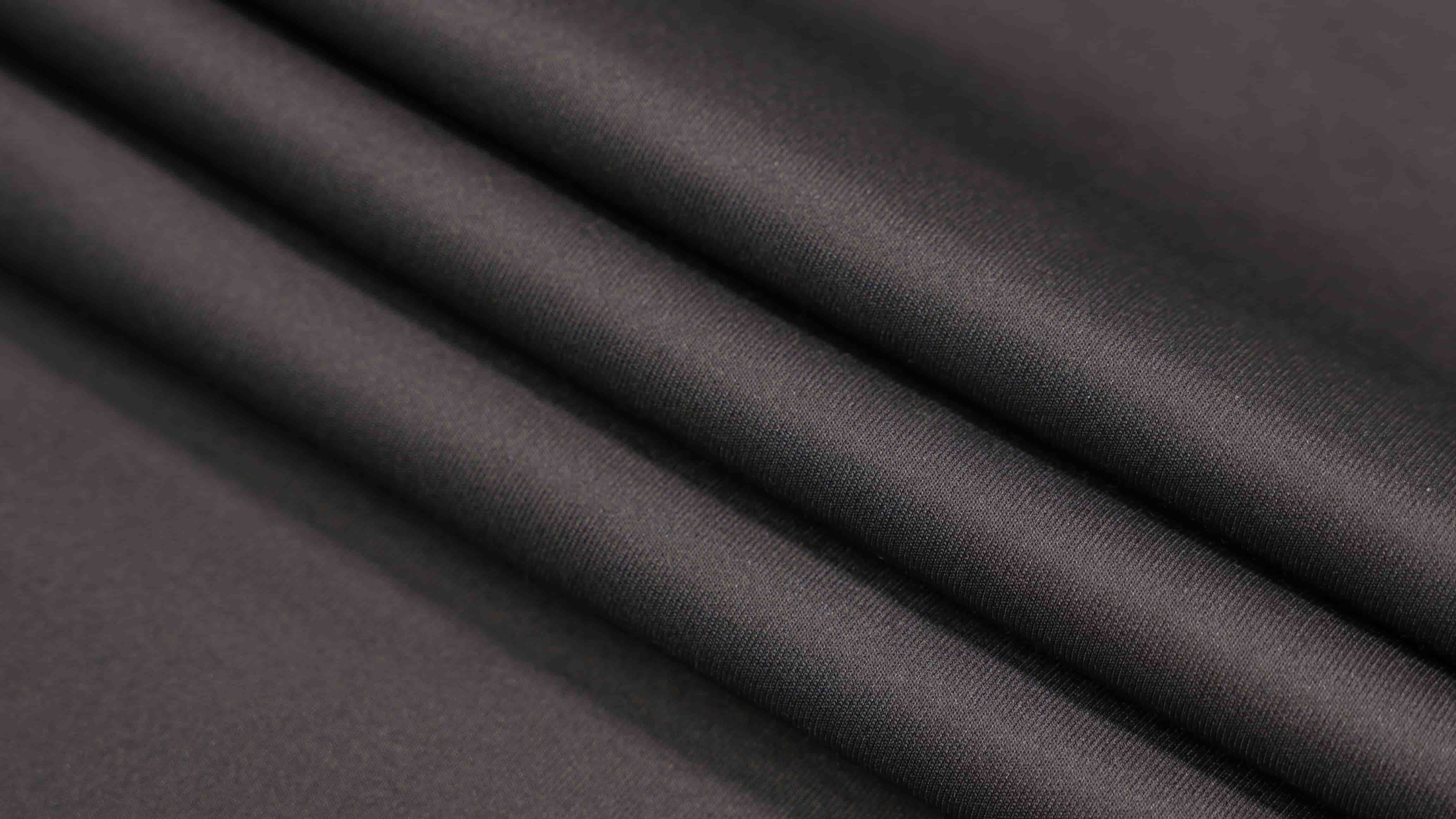
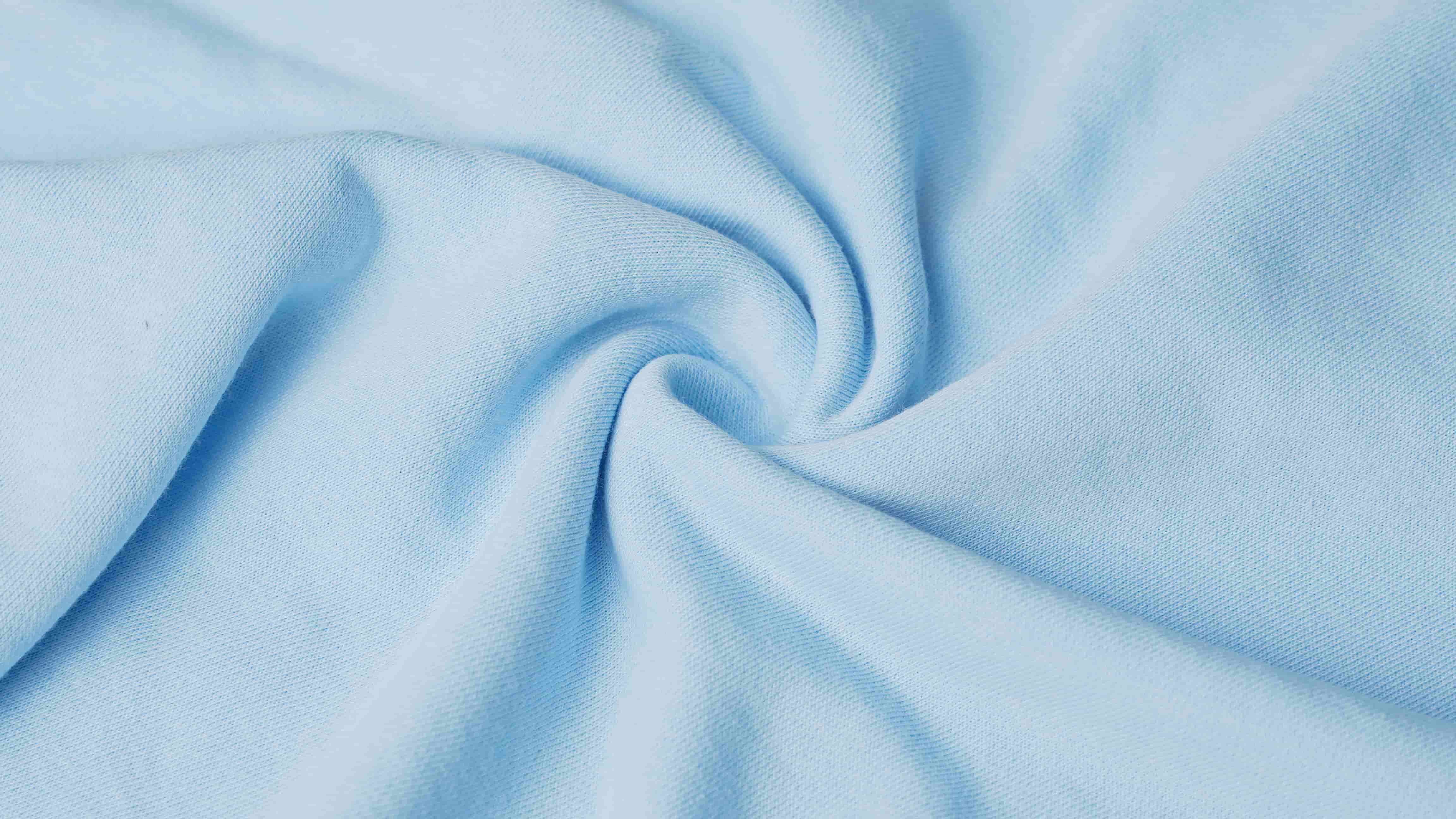
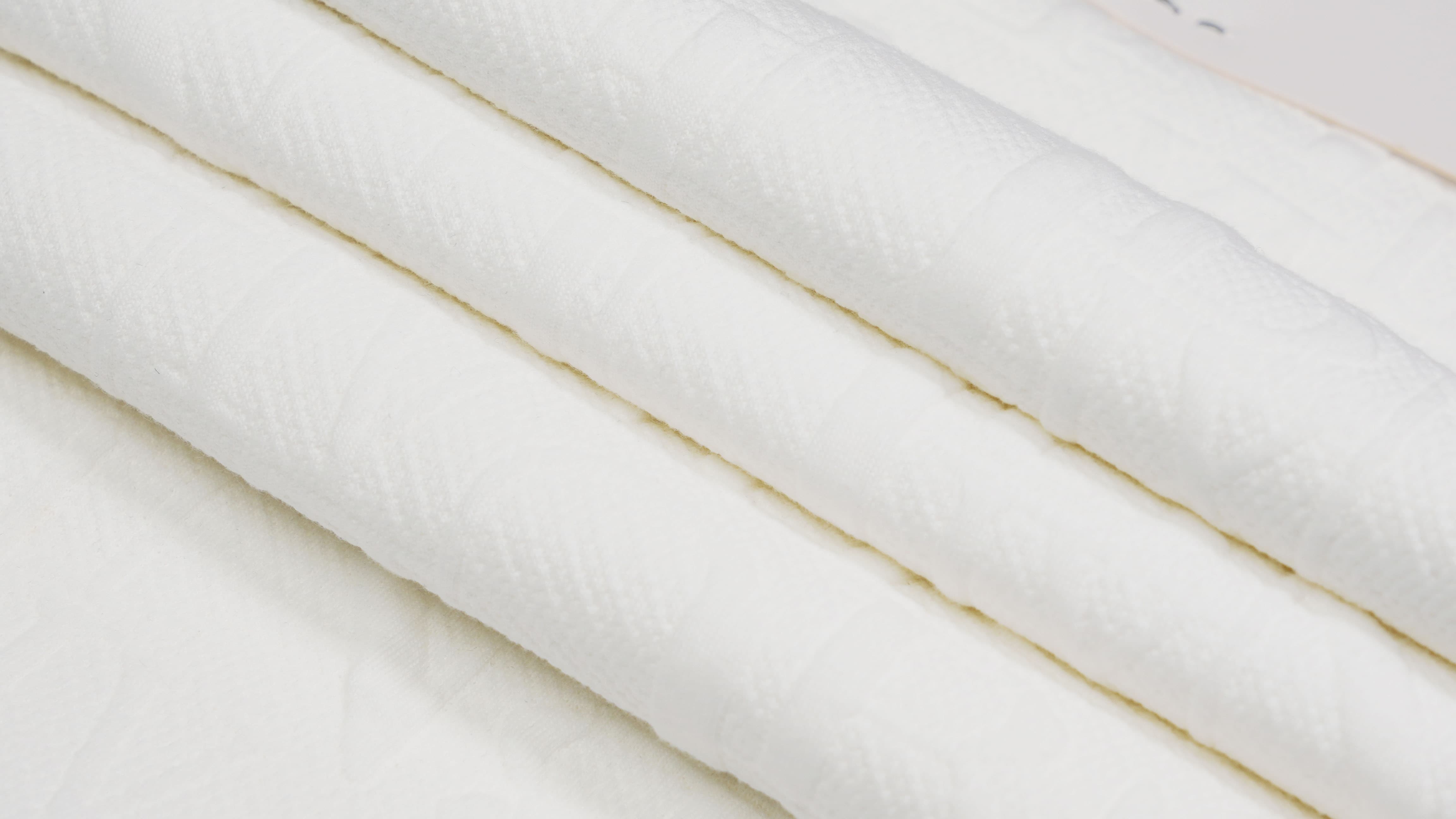
In the competitive world of activewear, athleisure, and performance clothing, the fabric is typically not only aesthetically pleasing, but it must also provide comfort, breathability, moisture management, durability, and mobility for the wearer. One fabric that is popular is the Airflow Sports Cotton Knit fabric, which is designed to combine the beneficial properties of cotton with aesthetic features that maximize airflow, reduce perspiration, and adapt to physical activity.
But what is it exactly? What differentiates it from the traditional type of cotton fabric or synthetic sports fibers? And what purpose does it serve to concern apparel manufacturers, sportswear brands, or professionals involved in textile procurement? This article defines the definition of Airflow Sports Cotton Knit fabric, it describes the structure of the fabric, its performance properties, uses, limitations, and recommended selections, all of which are intended to assist industry participants in making informed decisions.
Defining Airflow Sports Cotton Knit Fabric — What Is It?
In order to have a meaningful discussion of Airflow Sports Cotton Knit fabric, we must first define it.
“Airflow” is the name given to the fabric’s engineered design that facilitates increased air flow. The most common way this is accomplished is through the use of knitted structures, open or semi-open knits, or through the use of structures that promote ventilation.
“Sports Cotton Knit” implies a fabric based on cotton’s yarns (or high-quality cotton) that is knitted (not woven). This fabric is designed to balance the natural comfort of cotton with stretch, balance, and breathability during sports or active recreation.
When combined, the fabric’s properties include breathable, moisture-management, comfort, and durability that are ideal for activewear, athleisure, sports shirts, casual apparel, and lightweight exercise wear.
In one recent product description, this type of fabric is created using long-staple cotton (e.g., 50’s, 60’s, and 80’s) was covered with a nylon fabric in a dual-knit design. The nylon filament (which is sometimes equipped with a special “core-sheath” design) increases the retention of shape, the anti-wriggle performance of cotton, and the quick-drying properties of cotton, all of which are intended to provide softness and comfort to the skin.
As a result, Airflow Sports Cotton Knit fabric is not considered a singular fabric type, but rather a composite fabric that combines natural and synthetic components (when appropriate) in order to meet the demands of modern athleticwear. Its primary purpose is to provide airy comfort without sacrificing the cotton’s intrinsic feel, while still being able to move, sweat, and wear frequently.
Why Airflow and Knit Structure Matter — Fundamental Benefits for Activewear
The amalgamation of cotton with a “ventilation” design benefits numerous important aspects of conventional cotton fabric or knits. These benefits are especially evident in the context of activewear or clothing designed for exercise, warm climates, or regular wear.
-
Increased Breathability and Moisture-Evaporation.
One of the most beneficial aspects of airflow-leaning fabric is that it has superior ventilation compared to tight-woven cotton or dense knits. The knitted loops and the potential for open structure have the effect of creating small channels for the movement of air. This is important during exercise or warm weather. This is similar to the mesh or tricot fabric commonly utilized in sports, which promotes breathability.
When cotton fibers are employed, the fabric’s capacity to remain absorbent is maintained – cotton can soak in moisture – but the fabric’s porosity allows the moisture to dry, which often occurs during activity with dense cotton garments. This causes the flow of air to be more beneficial to cotton knits than traditional cotton tees or sweatshirts while active.
-
Comfort, Softness, and a Skin-Friendly experience
Cotton continues to be one of the most effective natural fibers for the skin: it is soft, non-irritating, and breathable. By utilizing cotton (or long-staple cotton), a fabric that is air-flowed, it retains this advantage. This is significant for sportswear or athletic wear that is intended for long-term wear, whether it is during exercise or simply daily wear.
Compared to synthetic sports fabric that lacks air flow, cotton fabric that is air-flowed possesses a more natural “hand feel”, which is often perceived as more expensive or more comfortable by consumers, which can be used to differentiate between brands that specialize in lifestyle sportswear and those that promote it as a commodity.
-
Flexibility, Stretch, and Movement Adaptability via Knit Construction
Knit fabric, including jersey, knit mesh, and double-knit, inherently possesses stretch, drape, and flexibility, which enables garments to conform to the wearer’s body (running, bumping, and stretching). Sportswear that is constructed with knitted fabric typically has a greater range of motion than apparel that is woven. Similar to cotton jersey or cotton-blend sports fibers, these properties are ideal for activewear.
This flexibility also has the effect of reducing stress on the seams and fiber structure during repeated motion, which contributes to the longevity of the garment.
-
Balanced Performance — Breathability, Comfort, Durability
Many imitation sports fabrics have a moisture-wicking reputation, but they may also lack softness or be prone to shrinking. Cotton garments that are completely pure are effective but often lack the necessary moisture and ventilation for heavy activity. Airflow Sports Cotton Knit fabric is positioned as a compromise that is both balanced and beneficial: it provides a lot of cotton’s comfort and breathability, with enhanced drying and ventilation, and it is versatile and can be used in sports, gym clothes, athleisure, warm weather clothes, or casual activewear.
In markets that want to have a high-endurance fabric that feels natural, airflow cotton blends can be a striking alternative to synthetic fabrics that are completely made of air.
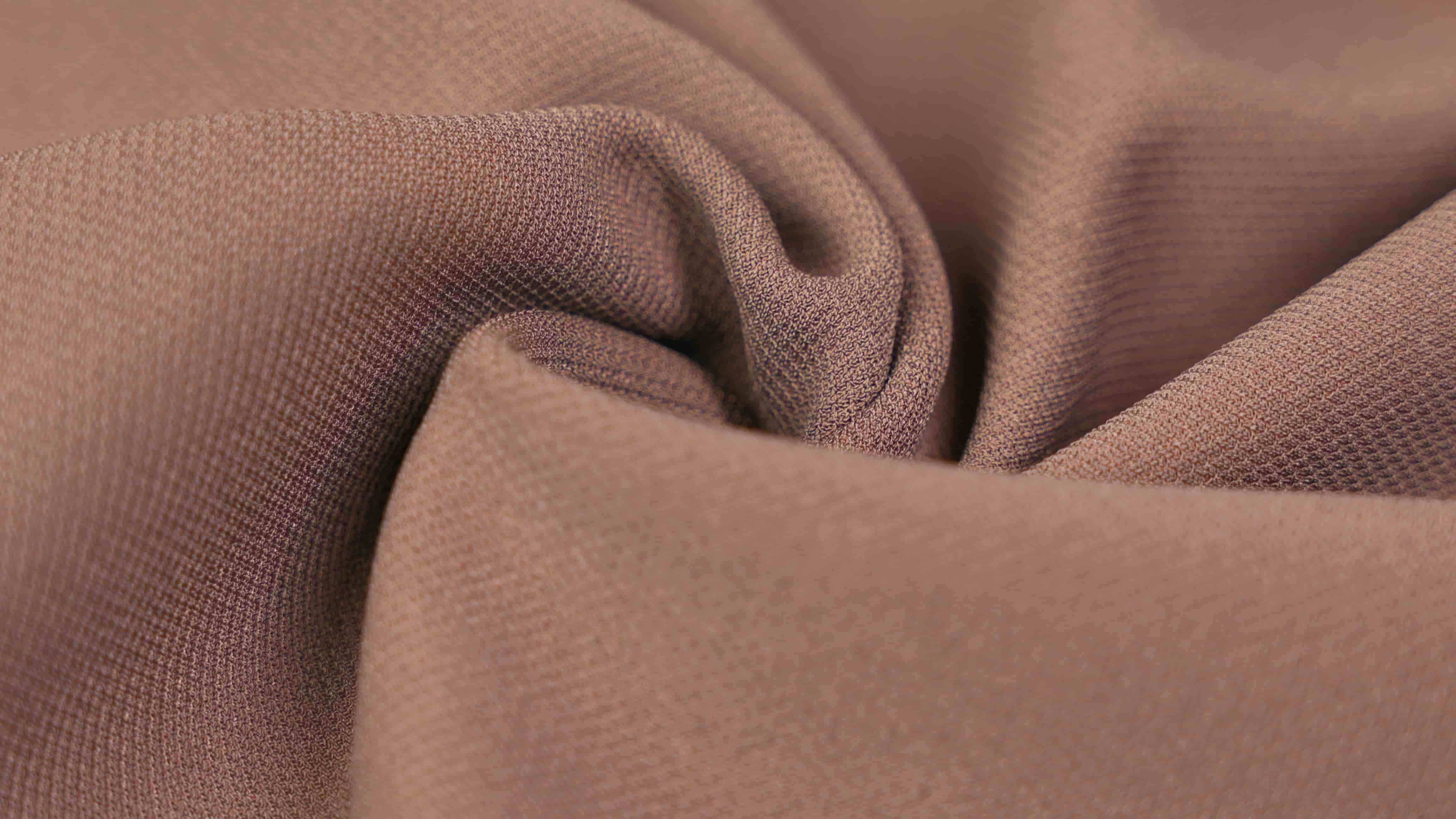
Technical Construction & Fabric Engineering — What Makes It Work
Understanding the why of airflow cotton’s performance is complicated by the fact that it is designed as a fabric, instead of a fabricated product. Several design decisions make this fabric different from regular cotton fabric.
-
Yarn and Fiber Selections – Cotton + Filament / Combined Yarns
Many implementations utilize long-staple cotton fibers (e.g., 50’s, 60’s, 80’s) for softness, durability, and comfort.
To enhance structural stability, shape retention, and improve the quick-drying / airflow of the fabric, manufacturers often surround or core-sheath each cotton fiber with a synthetic material — often nylon — that creates a composite fiber. This combines the softness of cotton with the breathability of synthetic fibers, while also maintaining the strength, resilience, and additional properties that are functional.
The filament’s presence can also serve as a subtle sensation of “Cool to the touch” when it’s worn (due to the thermal conductivity of nylon), which enhances the comfort of warm climates or during exercise.
-
Knit Structure & Airflow-Optimized Loop/Knit Pattern
Compared to densely knitted jerseys or cotton that is densely packed, airflow sports cotton is typically designed with open-knit or partially open structures, or with structures that are engineered to maximize the number of air channels while still maintaining structural integrity. This design enhances ventilation, facilitates the escape of moisture, and decreases the internal humidity level.
The looped design of the knits inherently possesses stretch and recovery (elasticity), which allows for movement and reduces the stress of the fabric. This is of great importance in the design of activewear, specifically for garments that are subject to frequent twisting, pulling, or other dynamic motions.
-
Balanced Thickness/Weight — Light to Midweight textile
Airflow cotton blouses are typically heavier than light cotton sweatshirts or dense fabric, but they are still more substantial than airless mesh. The weight distribution is designed to provide both comfort and breathability while still providing a degree of coverage and durability. This is ideal for shirts, tops, pants, and other forms of activewear.
The heavier weight also has the effect of improving the packability and wearability of the item, which is beneficial for activewear that is casual or travel-based.
-
After the treatment, the finish is available in a wide variety of options, including moisture management, durability, and shape retention.
Some variations may include methods of completing the project, such as washing, pre-shrinking, or gentle compaction, that will stabilize the knitted loops and reduce the after-wash shrinkage of the project.
Blend fibers (cotton + synthetic material) facilitate shape retention and minimize wrinkling — these fibers are popular for apparel designed for everyday use. In fact, the earlier-mentioned product description describes the product as having a “non-iron” nature and an improved stability in shape due to the filament-based structure.
Despite not always happening, some variants may utilize moisture-retaining finishes that will help to accelerate the drying process – this is beneficial for athletic wear or casual use in the summer. This concords with the larger goal of having a sports fabric that supports the management of perspiration.
As a result, Airflow Sports Cotton fabric is not accidental: it’s designed with caution, from the selection of fibers to the design of knits to the finalization of the fabric. All of this is done with the intent of meeting the specific requirements of modern activewear.
Performance Characteristics — What Brand Owners, Designers, and Manufacturers Should Expect
Based on the construction and design, what traits are measurable or perceptible derived from the Airflow Sports Cotton fabric? Below are common traits of high-quality implementations.
-
Breathability & Ventilation
The unique design of the fabric, combined with the open/special knit structure and the composite fibers of the fabric, allows for better air circulation around the body. This helps to cool down the skin and reduce overheating. Additionally, the fabric’s unique design enables it to be used in activities that are moderate to intense. This advantage is particularly significant compared to cotton fabric, which contains a lot of fibers that trap heat and moisture.
-
Moisture Absorption and the behavior of drying substances
Cotton’s natural capacity to absorb moisture helps to facilitate the removal of sweat from the skin; combined with ventilation and synthetic fibers, the fabric’s dry time is increased, and it avoids the clammy sensation that is often felt with pure cotton after exercise.
-
Comfort and Softness against the Skin
Because of the cotton’s intrinsic properties, airflow cotton fabricates remains soft and inviting to the skin; this fabric is ideal for base layers, T-shirts, pants, gloves, exercise wear, and casual wear. This decreases irritation and improves the wearer’s experience, especially when used for a long period of time.
-
Flexibility, Stretch, and Motion’s range
The knitted design and elasticity of the yarns facilitate dynamic behavior associated with clothing, including bends, stretches, and movement, without negatively affecting the garment’s shape or restricting the motion. For athletic wear, this is of paramount importance.
-
Adequate Durability and Shape Preservation
Composite fibers and engineered fibers that combine to enhance resistance to pilling, distortion, and shrinkage, while maintaining the shape of the garment over repeated washings and uses. High-quality airflow fabric typically has a longer lifespan than basic fabric that is composed of cotton.
-
Adequate weight to comfort ratio
Because they typically have a lightweight to midweight composition, garments are still comfortable, portable, and versatile, which is important to consider in the context of athleisure or travel-related clothing.
Use Cases & Applications — Where Airflow Sports Cotton Knit Fabric Excels
Because of its performance, Airflow Sports Cotton Knit fabric is ideal for a variety of garment types and demographics. Here are the primary areas of use.
-
Sportswear and Healthy Clothing for Everyday Use
Gym shirts, exercise tops, and training pants
Yoga attire, pilates apparel, and sportswear that is impactful by light.
Running or walking apparel for average to high intensity.
In all of these, the importance of breathing, comfort, and moisture management is greater than the heavy-duty abrasion resistance, making airflow cotton the ideal fabric for making clothes.
-
Athleisure and Casual Wear for Warmweather
Casual T-shirts, long-sleeved tops, hoodies/light jackets for spring/summer.
Travel attire, everyday wear — the importance of comfort and breathability is paramount.
For brands that combine functionality with fashion, airflow cotton fabric offers a “feel that is natural with activewear attributes.”
-
Indoor Sports and Recreation Clothing
Indoor training—yoga, dance, and gym classes.
Home-based activewear, athletic-based loungewear, and casual wear.
Here, comfort and softness are combined with breathability, and heavy, thick fabrics would have a feel of being excessive.
-
Outfits that transition from one style to another and have a lightweight composition
Light coats or windbreakers with cotton-based shells
Sportswear that is layered with air flow is necessary, but it does little to help with coverage or structure.
The composition of the yarns and the knit design of the fabric facilitate a compromise between functionality and comfort.
-
Hybrids / sustainable lines that involve Natural fibers being preferred
For brands that want to minimize synthetic content while providing superior fabrics, airflow cotton is a middle ground that primarily utilizes natural fibers, but is enhanced through knit technology – this technology is popular in markets that are concerned with sustainability.
What to Check When Selecting or Specifying Airflow Sports Cotton fabric (For producers/ suppliers/ brands)
If you’re a garment manufacturer, fabric merchant, or brand that sources fabric for activewear, here’s a list of things to consider when purchasing airflow sports cotton fabric. You should receive the quality and performance that you desire.
| ✅ What to Check | 🔍 Why It Matters |
| Cotton fiber quality (long-staple cotton, yarn count) | Higher quality cotton leads to softer feel, better durability, less pilling/shrinkage. |
| Yarn construction (cotton only vs cotton + filament composite) | Composite yarns often add shape retention, faster drying, and structural stability. |
| Knit structure and density (open knit, double-knit, airflow-optimized loops) | Determines ventilation, drape, stretch, and moisture/airflow properties. |
| Fabric weight and gsm (light to midweight) | Affects garment use case — lightweight for summer wear or workouts; heavier for layering or durable casual wear. |
| Finishing treatment (pre-wash, shrinkage control, dye & wash durability) | Ensures consistency after wash, reduces risk of deformation, shrinkage or color fading. |
| Stretch and recovery performance | Important for activewear, flexibility, fit retention, and comfort under movement. |
| Moisture absorption and drying behavior | Critical for activewear — affects comfort, odor management, and wearability after sweat or wash. |
| Abrasion resistance and pilling tests | Ensures long-term durability, especially for frequently worn garments. |
| Seam integrity when sewn (stitching compatibility with knit structure) | Knit fabrics can behave differently from woven fabrics — sewing quality must match knit behavior to avoid seam stress or distortion. |
| Colorfastness and wash-cycle durability | Ensures garments maintain appearance and performance after repeated washes — important for brand reputation. |
By assessing these attributes carefully, manufacturers and brands can select fabrics that balance comfort, performance, and longevity — avoiding common pitfalls associated with low-grade knits.
Why Airflow Sports Cotton Knit Fabric Matters for Brands & the Market (Industry Perspective)
From a business and consumer perspective, the increasing popularity of airflow sports-cotton-based products addresses several industry concerns and consumer preferences:
-
Increasing demand for Comfortable, Breathable activewear that employs natural fibers.
As consumers become more concerned with comfort, sustainability, and natural materials, cotton-based activewear becomes popular. However, it must be able to meet functional requirements. Airflow’s cotton blouse bridges the gap.
-
Variety in Athleisure, Casual Wear, and Activity Wear markets.
Brands that want to create versatile clothing (casual that also functions as gym clothing, travel clothing, everyday comfort garments) find airflow cotton fabric highly beneficial. Their equal properties diminish the necessity of maintaining separate fabric collections for ” Performance” and “Casual”.
-
Competitive Differentiation — Natural feel + Comfort + Performance Attributes
Many sports companies utilize synthetic fabric that is intended for performance, but few combine the comfort of cotton with the performance of knitted engineering. The use of airflow cotton fabric can facilitate the differentiation of products based on comfort, natural feel, and the concept of “premium but practical” placement.
-
Cost-Effectiveness Compared to High-End Technical Fashions
While high-performance synthetic fibers (microfibers, compression fabric, advanced wicking blends) have a superior reputation, their cost is often high. Airflow cotton blends, especially those that utilize composite fibers but still involve cotton, may have an optimal composition of cost and value for mid-range activewear.
-
Convince Sustainability-Minded Consumers
Cotton is replenishable and biodegradable, while composite fibers add synthetic components to the fabric; these fibers are popular in the sportswear industry as a more environmentally friendly alternative to full synthetic sportswear. This is particularly popular with the elderly and children.
As a result, the airflow sports fabric composed of cotton is in line with the current trends in the market: comfort, versatility, sustainability, and functional performance. This material is increasingly being used in the design of modern apparel for brands.
Realistic Expectations — When Airflow Sports Cotton Knit Fabric Is the Right Choice, and When It’s Not
Taking all of the aforementioned qualities and limitations into account, it’s essential to understand which products and use cases are appropriate for airflow cotton fabric, and which cases require different fabrics.
-
The most effective uses of social media
Light to moderate physical activity wear (gym, yoga, stretching, walking)
Casual athleisure clothing that is both comfortable and fun (T-shirts, hoodies, leggings)
Warm weather clothing and travel accessories that concern both breathability and comfort.
Indoor recreational wear, lounge accessories, light sportswear.
Fashion-forward clothing that combines both style and comfort.
-
Not Ideal For
Heavy-duty sports that take place outdoors or tough outdoor activities (mountaineering, hiking, and use of rough terrain) — the importance of abrasion resistance and high water retention is paramount.
High-end athletic apparel that requires quick moisture dissipation, compaction, or sustained synthetic behavior (e.g., short running shoes, tight clothing, and cycling gear that promotes performance) e.g.
Products that require a heavy load, have a long life, or are frequently washed out or drained (e.g., workwear, tactical gear, and heavywear apparel).
Clothes that need to dry quickly in high-moisture or precipitation environments.
Overall, airflow cotton fabric has a superior reputation for providing both comfort and everyday wearability; it is also breathable, and “soft activewear” is its most popular attribute. When used in conjunction with a regular shirt, it is less appropriate for activities that demand more than its structural capacity.
Conclusion — Airflow Sports Cotton Knit Fabric: A Balanced, Versatile Fabric for Modern Activewear
Airflow Sports Cotton Knit fabric is an evolution of thoughtful design: it combines the natural comfort and softness of cotton with the knit structure of engineering and the innovation of yarns to create a fabric that is well-suited for modern activewear, athleisure, and daily wear. Its benefits include breathability, softness, flexibility, balanced performance, and comfort, all of which address the demands of consumers who want to wear apparel that is between casual and athletic wear.
For apparel manufacturers, brands, and textile consumers, it provides an opportunity to differentiate in a crowded market by offering garments that feel good on the skin, have a reasonably good performance during activity, and satisfy consumers who want a softer, more natural alternative to full synthetic performancewear.
Additionally, being cognizant of its shortcomings, especially regarding moisture-wicking under heavy usage, abrasion resistance for durability, and structural stability under stress, guarantees realistic design, proper application, and satisfied customers.
In a time when comfort, sustainability, versatility, and practicality are more commonly valued, airflow sports cotton is worthy of serious consideration as a material for activewear and lifestyle apparel.
