
Introduction
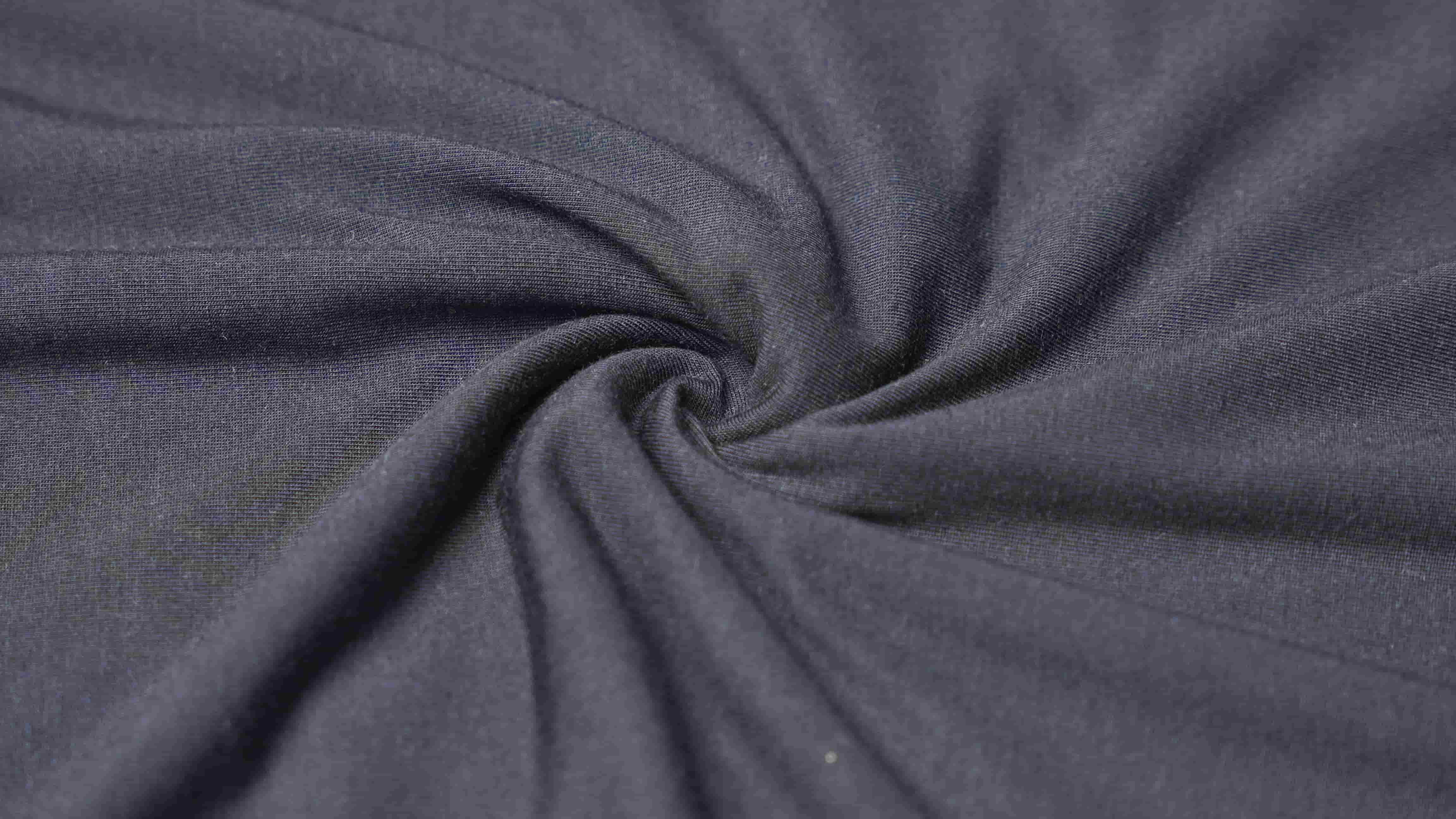
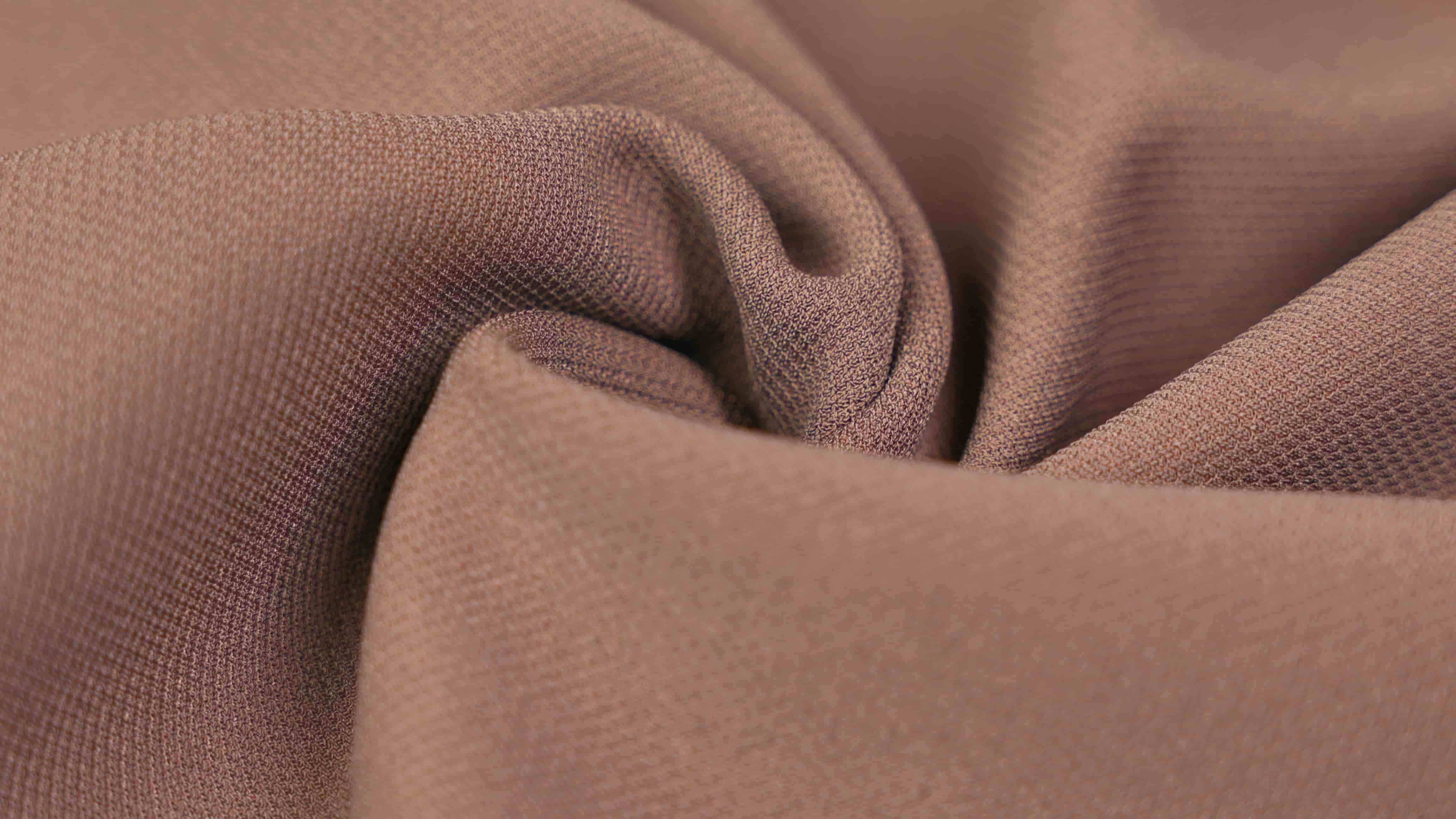
Recently, the textile industry has experienced a significant evolution caused by health awareness, functional requirements, and sustainability concerns. Among the most significant advances is the introduction of antibacterial knit fabric that is knitted. This material is a category of advanced textile that is designed to inhibit the growth of bacteria, reduce the formation of odors, and enhance hygiene while still providing comfort or flexibility.
Contrasting with the traditional method of fabricating, knit fabrics are inherently flexible, breathable, and skin-friendly. When antibacterial functionality is incorporated into knitted structures, the result is a versatile textile solution that is commonly used in medical clothing, sportswear, underwear, home textiles, and protective clothing. As consumers around the world have increasingly focused on the health of their products, including the ingredients they contain, the durability of their products, and their long-term performance, antibacterial fabric has become a popular choice for manufacturers and brands.
This article comprehensively describes the various aspects of antibacterial fabric that is knitted, including the definition of the fabric, the production methods, the material science foundations, the performance characteristics, the application fields, the market trends, and the future development potential. Written from both a technical and commercial perspective, it attempts to serve textile professionals, product developers, sourcing managers, and decision makers who seek to have accurate, extensive knowledge.
What Is Antibacterial Knit Fabric?
Antibacterial knit fabric refers to fabric that is knitted and treated with or without a bacteria inhibitor on its surface to prevent the growth of bacteria. These fabrics diminish the proliferation of microorganisms caused by moisture, heat, and direct contact with the skin—all of which are commonly found in garments that are near the body.
Central characteristics
Antibacterial fabric typically has:
- Stitched design (weft or warp stitching) for stretch, softness, and breathability
- Antibacterial agents or fibers that inhibit the growth of bacteria.
- Constant effectiveness is maintained after multiple washes.
- Safe and non-intuitive properties, appropriate for long-term use
Unlike antibiotics that are disposable, high-quality antibacterial fabric is designed to have a long lifespan, which makes it ideal for reusable clothing and other textile products.
Why Knit Structures Matter in Antibacterial Textiles?
Before investigating the efficacy of antibacterial technology, it’s crucial to understand why knitted fabric is particularly suited for this type of application.
Structural Benefits of Knit Fabrics
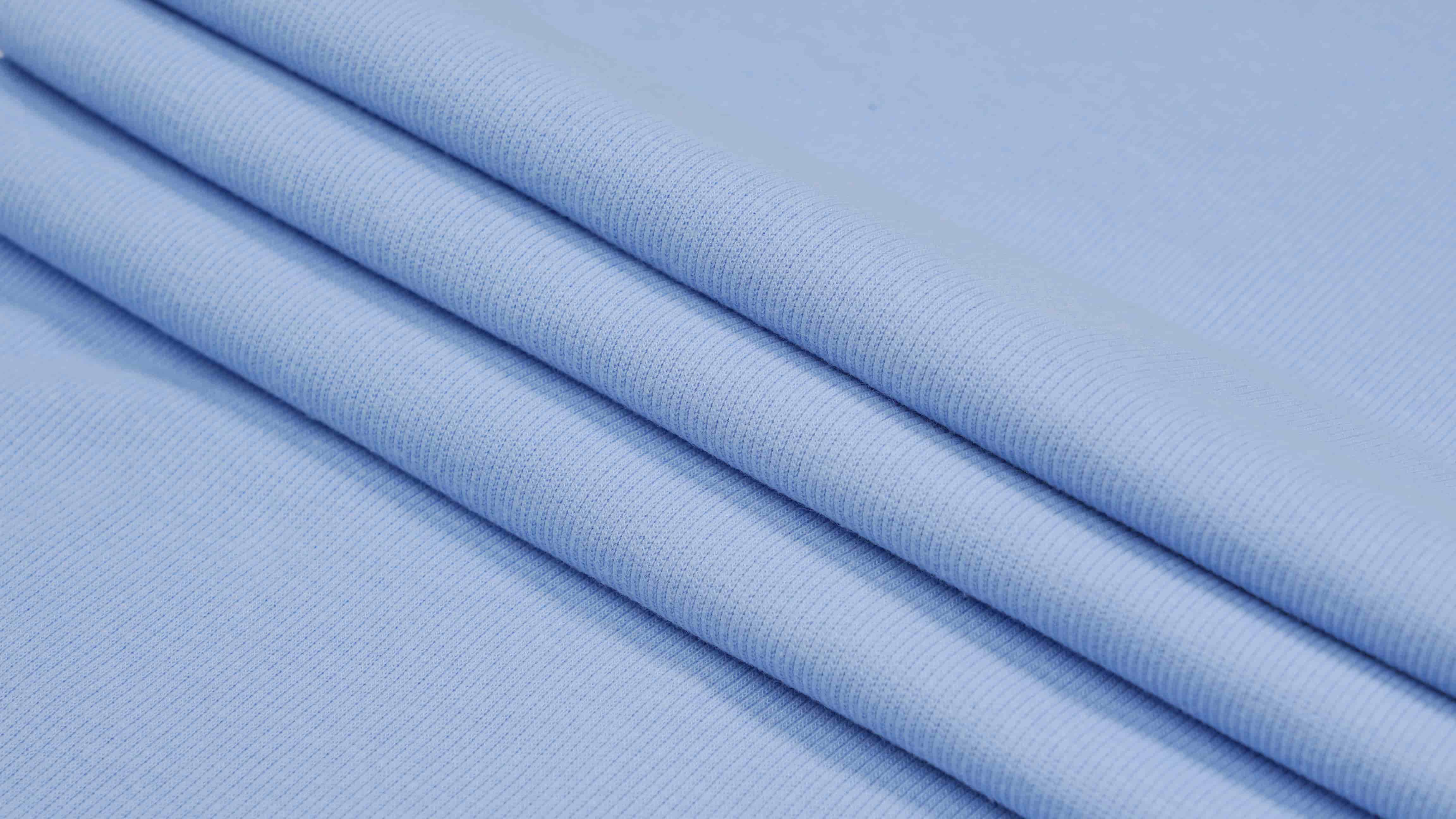
Knitted fabric is different than woven fabric due to its constructed-looping structure. This has several inherent benefits:
Increased breathability, this is coupled with a decrease in moisture that favors bacterial growth.
Elastic recovery ensures a comfortable and appropriate fit in clothing such as underwear and sportswear.
Softness of touch, vital to the skin-contact fabric.
Increased air flow, enhanced thermal regulation.
These properties make knitted fabrics an ideal substrate for the functionality of antibacteria; this is particularly true of high-sweat or long-term environments.
Antibacterial Technologies Used in Knit Fabrics
Antibacterial fabrics’ performance is attributed to two primary technological approaches: chemical treatment and intrinsic alteration of fibers.
-
Antibacterial Wear-Resistant Treatments
This approach involves utilizing antibacterial chemicals during the final processes.
Common agents that finish things on a common front
Silver compounds
Zinc or copper atoms
Quaternary ammonium salts
Biologically based polymers with organic compounds as their components
These agents function by destroying the membranes of the bacteria or by blocking the cellular metabolism.
Advantages
Effective for mass production
Supported by the existing infrastructure for knitting and completing projects.
Advantage of different types of fabric
Limitations
The potential for the effectiveness of the product to be reduced over time due to repeated washes.
The importance of quality control and the bond’s strength.
To achieve high standards in the industry, high-end antibacterial fabric is often subject to wash durability testing, this testing ensures that the fabric maintains its performance after 30-50 wash cycles.
-
Intimate Antibacterial fibers
A more intricate approach involves integrating antibacterial properties into the fiber itself.
Examples of Antibacterial Substances
Polyester or nylon with silver ions embedded in it.
Copper-incorporated synthetic fibers
Additions to viscose that have antibacterial properties
Bio-based fibers that have an inherent capacity to inhibit bacteria
Advantages
An effect that is long-lasting against bacteria
Constant quality of fabric throughout its lifespan.
Lower probability of chemical erosion
Trade-Offs
Higher price for raw materials
necessitates specialized processes for spinning and knitting.
For sportswear and medical textiles that have a high demand, intrinsic fibers that are antibacterial are increasingly popular.
Performance Standards and Testing Methods
To ensure legitimacy and compliance, antibacterial fabric is evaluated using protocols that are standardized protocols.
Common International Rules
AATCC 100 – The assessment of antibacterial activity
ISO 20743 – The measurement of antibacterial activity in fabric.
JIS L 1902 is a Japanese standard that defines the conditions for testing antimicrobial products.
These tests assess the decrease in the number of bacterial colonies after a specific amount of time, typically using bacteria like Staphylococcus aureus or Escherichia coli.
A fabric with a high performance against bacteria that is typically used in hospitals or restaurants must have:
≥ 99% reduction in bacteria
Constant performance that is resistant to multiple washes.
No detrimental effects to fabric strength or well-being
Key Benefits of Antibacterial Knit Fabric
-
Odor Control
Bacteria are the primary cause of repugnant smells in clothing. By preventing bacterial growth, antibacterial fabrics reduce the formation of odor, which is particularly true of sportswear and underwear.
-
Increased Hygiene
In medical and healthcare settings, antibacterial fabric that is knitted reduces the risk of cross-contamination and improves the hygiene standards.
-
Skin Comfort and Safety
High-quality antibacterial fabric is designed to be toxic-free, allergen-free, and skin-friendly, which makes it appropriate for sensitive skin.
-
Extended Product Lifespan
Lowered bacterial degradation facilitates the maintenance of the fabric’s integrity, color, and softness over time.
Major Application Areas of Antibacterial Knit Fabric
-
Medical and Healthcare tecidos
Antibacterial fabric is employed in the following areas:
Hospital scrubs and dresses
The patient’s bedding and covers.
Compression clothing and bandages
Their ability to breathe and stretch has a positive effect on the comfort of the patient while maintaining hygiene.
-
Sportswear and Other Sports Items
Performance apparel is primarily composed of fabric that is antibacterial in regard to addressing bacteria and viruses.
The management of sweat
Control of odors
Wear long-term comfort
Knitted fabrics that are antibacterial in nature are particularly popular in base layers, leggings, and athletic tops.
-
Underwear and Personal Wear
Close-to-skin clothing benefited from antibacterial fabric due to:
Warm feelings
Moisture regulation
Reduced inflammation and odor
This sector continues to catalyze a great demand across the globe.
-
Home Furnishings
Useful applications include:
Cushions
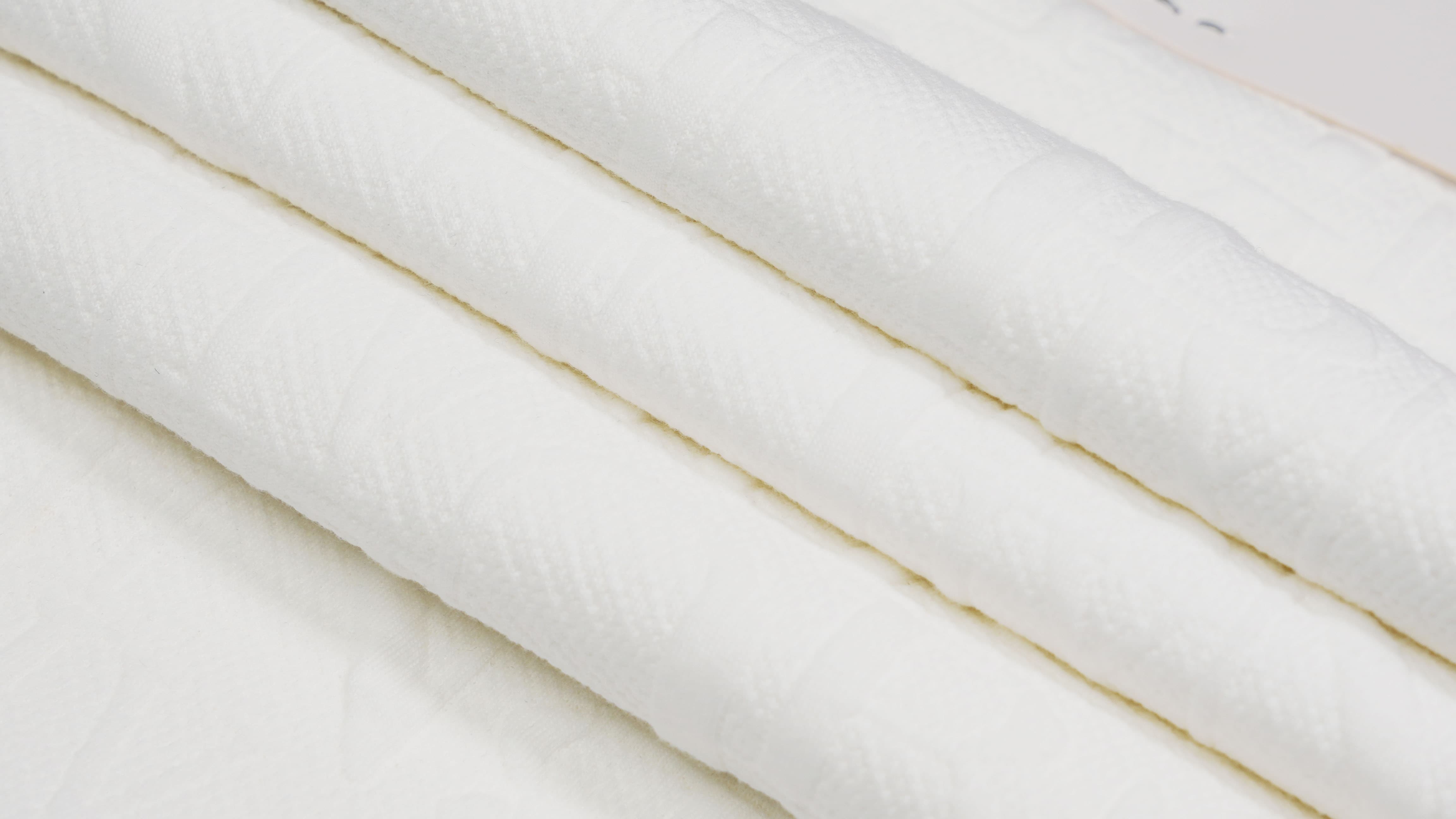
Mattress shields
Throw blankets
Here, antibacterial fabric that enhances hygiene while still providing comfort.
-
Safe and Wearable
In industries and services, the use of antibacterial fabric is increasing.
Constant patterns
Protective base layers
Recoverable face coverings
Comparison: Antibacterial Knit Fabric vs. Antibacterial Woven Fabric
| Aspect | Knit Fabric | Woven Fabric |
| Elasticity | High | Low |
| Breathability | Excellent | Moderate |
| Comfort | Soft, flexible | Structured |
| Suitability for Skin Contact | Very high | Medium |
| Typical Use | Apparel, underwear | Workwear, outerwear |
From a functional apparel perspective, antibacterial knit fabric offers superior comfort and adaptability, especially in body-conforming garments.
Sustainability and Environmental Considerations
As the concept of sustainability becomes important, antibacterial fabric is evolving in order to address environmental concerns.
emerging Trends
Antibacterials with low leaching ability
Biologically based compounds with an antimicrobial effect
Recyclable fibers with an antibacterial function
Lowering the chemical load in the finishing processes.
Manufacturers are increasingly concerned with maintaining a balanced combination of antibacterial performance and environmental friendliness, particularly in markets that have stringent regulations regarding environmental issues.
Market Trends and Industry Outlook
Increasing demand drivers
Increasing health awareness following the pandemic.
Increase in popularity of athleisure and functional clothing
The aging population has led to an increase in demand for medical supplies.
The advances in fiber science and technology.
Marketing Strategy
Antibacterial fabric that is knitted is evolving from a specialty material to a common functional textile; this transition is most notable in the apparel industry.
Future Development Directions
Future-oriented, antibacterial fabric development is expected to revolve around:
Several functions in one package (antibacterial, moisture-wicking, and UV shielding)
Smart fabrics with intelligent behavior that responds to microorganisms.
Long-life, washable antibacterial capabilities
Eco-certified antibacterial devices
These improvements will augment the antibacterial role of fabric that is knitted in the future.
Conclusion
The antibacterial fabric represents a meeting of material science, textile engineering, and consumer health concerns. Its singular combination of comfort, hygiene, flexibility, and performance is essential to multiple industries, including medical and athleticwear, intimate apparel, and domestic textiles.
For manufacturers, brands, and consumers who seek to differentiate themselves via price, functionality, and relevance to the market, antibacterial fabric that is knitted offers a functional value and a relevant market. As technology becomes more advanced and sustainability becomes more paramount, this category is expected to remain a foundation of significant modern advances in textile design.
By understanding the technical principles behind it, the potential applications of it, and its future direction, stakeholders in the industry can make informed decisions and take full advantage of the benefits of antibacterial fabric in a rapidly growing global market.
