
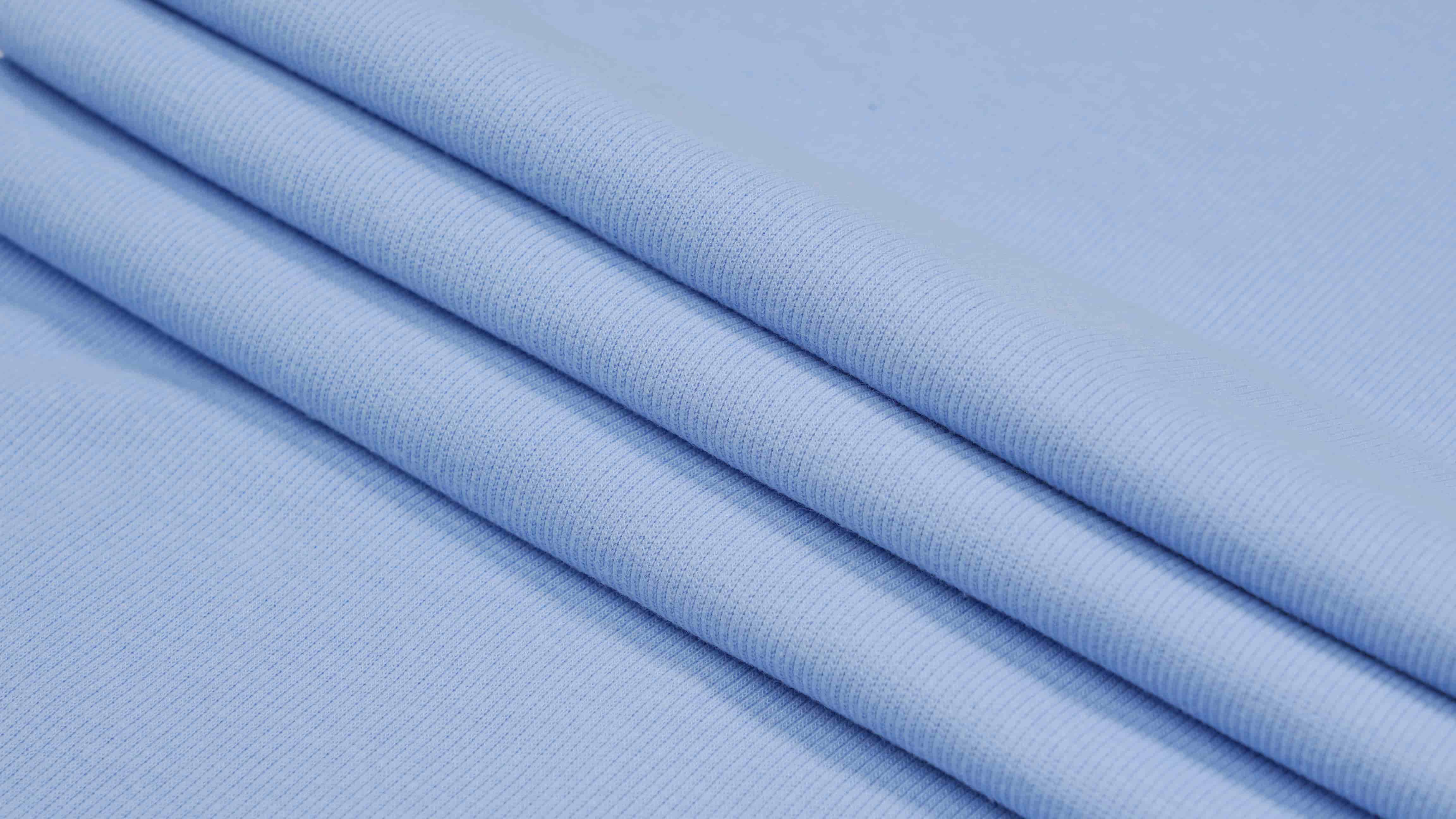
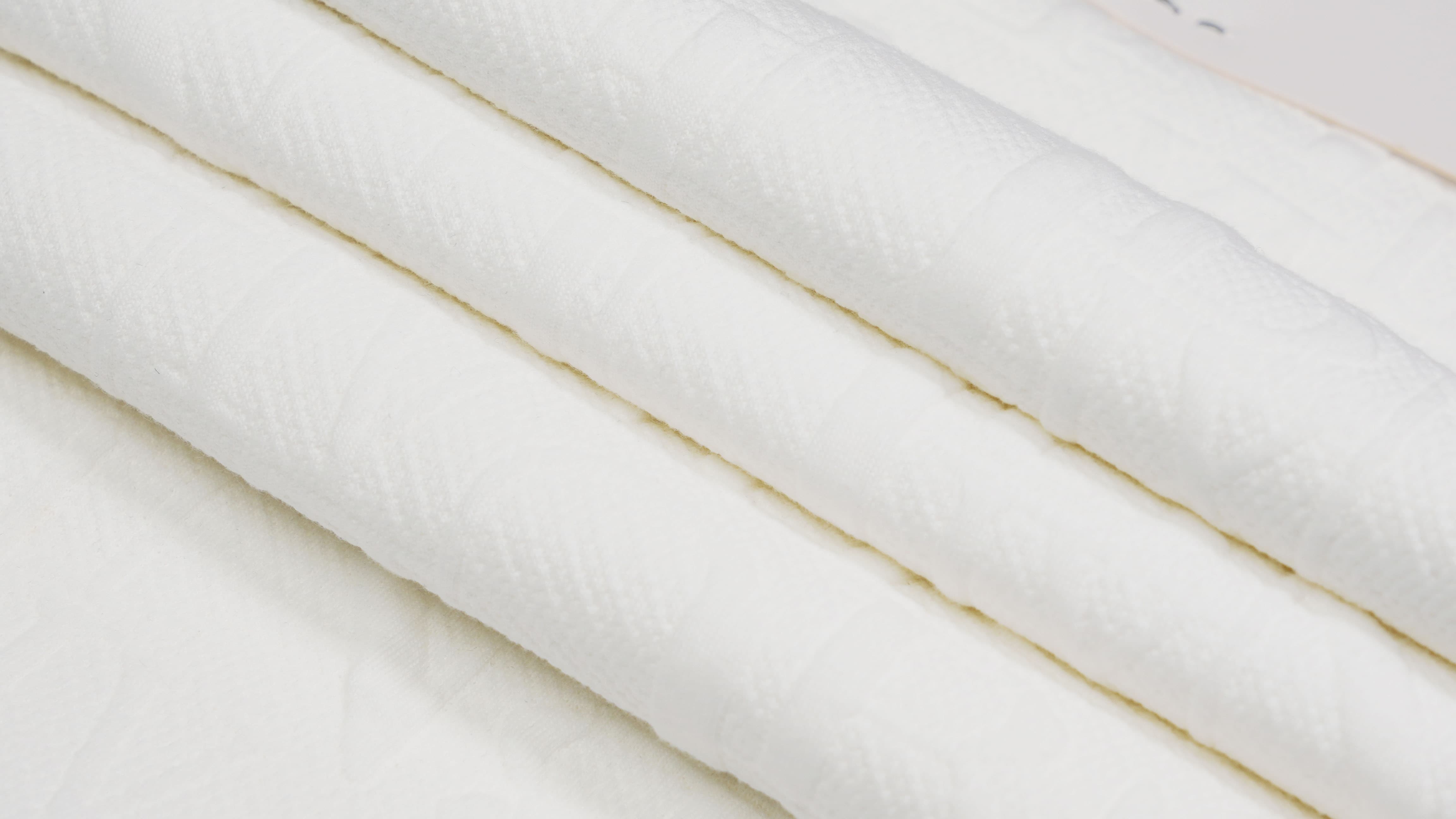
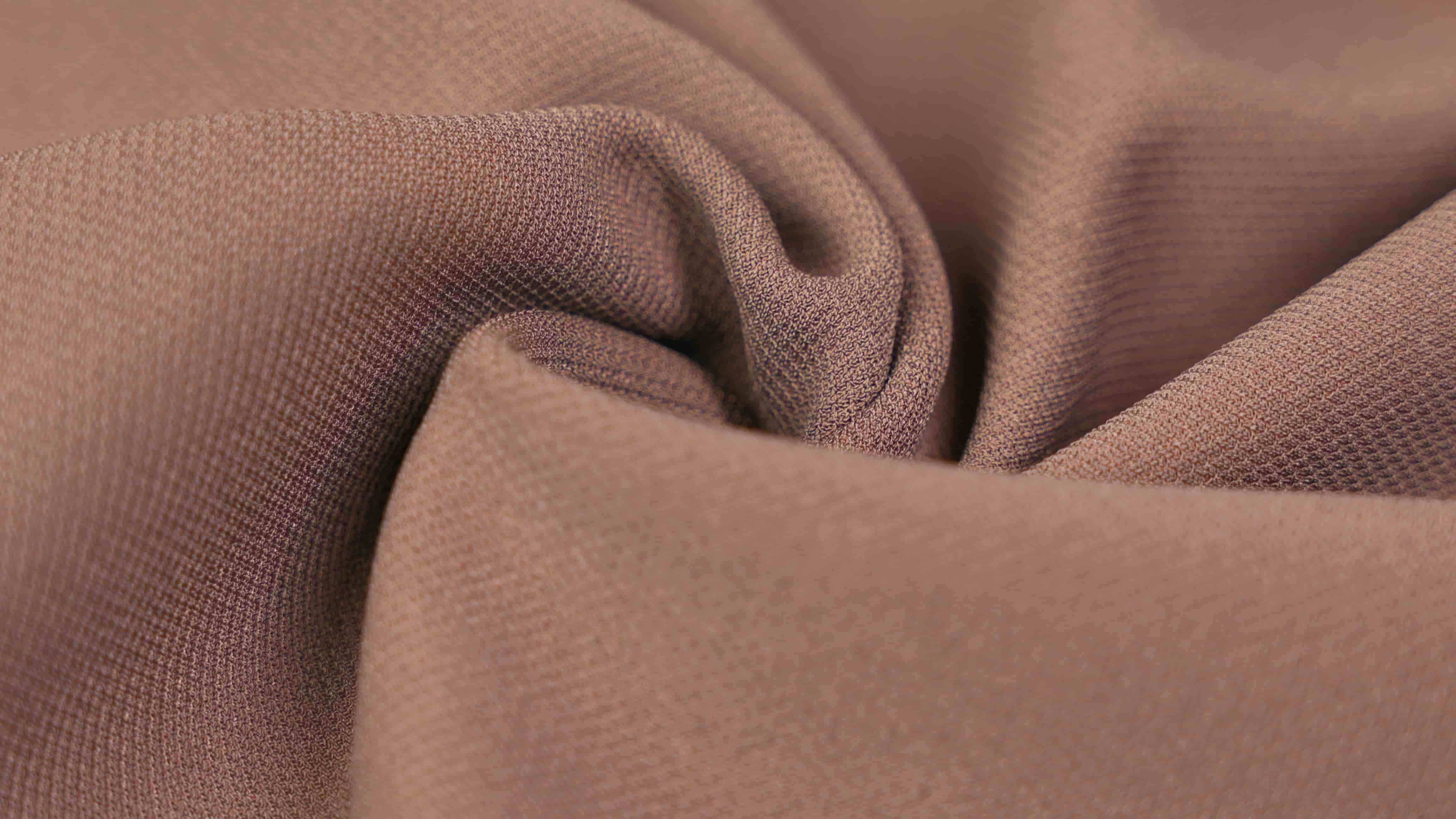
Knitted fabric is one of the most versatile and commonly used fabric types in clothing, home textiles, and technical fabrics. A fabric that’s knitted is made by intersecting loops of yarn in a horizontal (weft) or vertical (warp) direction. This results in a material that is flexible, stretchable, and comfortable, but different from woven textiles.
Knits have a variety of different fabric types that are ideal for T-shirts, or heavy, textured materials that are ideal for outerwear and athletic wear.
Understanding the different types of knit fabric – including the way they are built and where they are most effective – is crucial to both textile professionals and designers, technical buyers, and apparel engineers.
This guide describes the different types of knitted fabric, their differences in structural design and performance, and provides a comprehensive understanding of the industry.
The Fundamentals of Knit Fabrics: Structure and Classification
Before exploring specific types of knit fabric, it’s essential to understand the underlying design that defines them.
The Method of Making Knits
Unlike woven fabric (where the warp and weft yarns are perpendicular to one another), knitted fabric is formed by the interlacing of looped yarns. This looped design promotes their unique elasticity, drape, and softness, which makes them ideal for clothing that needs stretch and relaxation.
Knit fabric is categorized by method of production:
Weft Knots – Loops are formed across the width of the fabric (horizontal), resulting in flexibility and stretch in both directions of the fabric.
Warp Knots – Loops are formed along the length (vertical), which results in more consistent, less stretchy fabrics.
While both types have the same designation as knits, their manufacturing processes, mechanical properties, and intended uses are significantly different.
Major Categories of Knit Fabrics
Below is a detailed description of the common fabric types used in industry, organized by structural type and practical application.
- Jersey Fashion
Jersey fabric is also known as simple knit or single knit; it’s arguably the most popular fabric type. It’s characterized by a smooth surface with distinct vertical folds (loops) and a horizontal pattern on the back. This fabric is lightweight, soft, and highly elastic, which makes it ideal for everyday apparel like T-shirts, casual dresses, and leggings.
The simple nature of the jersey loop format is responsible for its quick and economic production; this is why it is so popular in basic casualwear classes worldwide.
Key attributes:
Wonderful stretch and drape
Gentle touch and pleasant sensation
Effective production
Common Uses:
T-shirts
Casual attire
Underwear
Bright outfits
- Ribbon Knit
Rib fabric that is defined by alternating stitch types and has a tendency to produce vertical ribs that are both stretchable and resilient is rib knit fabric. Rib knit has a superior stretch and recovery property, especially across the width of the fabric. This is ideal for areas that require shape retention (e.g., collars, cuffs, and waistbands).
Several varieties are available, including 1×1 rib, 2×2 rib, and mock rib. The numbering system is based on the order in which the ribbons are knitted to purl.
Key attributes:
High resilience and regrowth
Sturdy but malleable
Rigid structure
Common Uses:
Cuffs and necklines
Customized clothing
Fashionable activewear
- Interlock
Interlock fabric is a form of dual-knit fabric that is created by two separate sets of needles that operate in conjunction. This results in a consistent, smooth surface on both sides of the fabric. It’s more dense and has a greater degree of dimensionality than single jersey knit; this improves the transparency and consistency of the fabric, making it appropriate for apparel that needs a more finished appearance.
This dual-faced, balanced knit tends to resist pulling in the direction of the edge (a common issue with jersey) and provides exceptional coverage.
Key attributes:
Flatten both surfaces
More consistent and long-lasting than the jersey.
Good regrowth and covering
Common Uses:
Poloirts
Pajamas
Children’s clothing
- Two-Jersey/ Two-Knit
While similar to interlock, double jersey or double knit is a broader class of fabric that is dual-faced and features two interlaced sets of loops, typically offering increased weight and structure. These fabrics have a balanced, dimensional, and versatile composition for both casual and formal wear.
Types of dual knits include Ponte knit, which features a solid composition and minimal pilling. This is ideal for custom clothing.
Key attributes:
A uniform appearance on both sides.
Constant, consistent emotion
Superb shape retention
Common Uses:
Preplanned clothing
Ponte pants and skirts
Dresses andackets
Exploring Specialty Knit Fabrics
Beyond the basic jersey and rib fabric, the fabric family that knits includes numerous specialty fabrics that are tailored to specific aesthetic and practical needs.
- French Terry Crook
French terry’s surface is smooth on the front and has small details on the back. It’s considered a middleweight, absorbent fabric, and soft. It’s typically utilized in sportswear and loungewear that necessitates comfort with a medium amount of stretch.
Key attributes:
Recurrent pattern
Moisture intake
Casual ease
Common Uses:
Sweatshirts
Hoodies
Joggers and loungewear
- Fleece-Seamed
Fleece fabric that is brushed on both sides is employed to increase the fibers and trap air; this fabric provides exceptional insulation and warmth while having a low weight. Fleece is common in clothing that is cold, such as hoodies, jackets, and blankets.
Key attributes:
Warm, flocked appearance
Warmth and insulation
Sustainable and enduring
Common Uses:
Winter coats
Activewear
Outdoor clothing
- Jacquard’s design
Jacquard fabric’s use of complex stitch patterns results in textured surfaces and colorful designs that lack surface printing. Built into the knitted structure, these intricate patterns are highly customizable and have aesthetic value in the fashion industry and high-end knittedwear.
Key attributes:
Adorned with a decorative design and pattern
Variations in yarns
Structural stability
Common Uses:
Sweaters
Fashionable apparel
Elaborate patterns
- Single Point
Pointelle fabric is a lightweight, decorative fabric that has small eyelids or openwork patterns. These small holes are created by holding and transferring loops to create a lacy effect. This is ideal for apparel that is both feminine and breathable in the summer.
Key attributes:
Adorned with openwork
Lightweight sensation
Biologically speaking
Common Uses:
Women’s dresses
Dresses
Scarf and other items
- Pique Knit
Pique fabric has a textured surface that contains small, raised patterns with a waffle or honeycomb design. This fabric possesses both breathability and visual complexity; it is often utilized in classic polo shirts and athletic-based clothing.
Key attributes:
Rough raised pattern
Breathable design
Difference aesthetic
Common Uses:
Poloirts
Casual sportswear
Summer attire
Knit Fabric by Production Technology: Weft vs Warp Knits
| Production Type | Description | Typical Fabrics | Performance Traits |
| Weft Knit | Yarn loops horizontally across the width; common in apparel | Jersey, rib, interlock, fleece, French terry, jacquard | High elasticity, comfortable stretch |
| Warp Knit | Yarn loops vertically along the length; produced on warp knitting machines | Tricot, raschel, Milanese | More stable, less stretch, good for technical use |
Weft knits are more common in everyday garments because of their inherent stretch and flexibility, while warp knits are typically used in specialized garments that require stability and a limited amount of elasticity.
Functional Knit Fabrics: Performance and Technical Use
Other traditional apparel uses have been complemented by the increasing popularity of knit fabric in technical and performance markets.
- Tricotated fabric
Tricot fabric is a fabric that has wrinkles on the face and extra wrinkles on the back. It’s wrinkled, steady, and frequently employed in the lingerie industry, swimming industry, and athletic fields because of its pre-controlled stretch and longevity.
- Raschel’s Croch (Warp’s Croch)
With a lace-like or openwork surface, Raschel fabric provides structural beauty and textured depth. Its diverse structural types of loop make it appropriate for clothing, fabric decoration, and technical textiles (such as netting).
How Knit Fabric Choices Influence End-Use?
The variety of fabric types means that choosing the appropriate type of fabric is a design decision that affects comfort, performance, behavior, and cost of production. For instance:
Stretch and recovery are crucial to activewear and formalwear; these qualities are enhanced in rib and jersey fabric.
Insulation and warmth promote the selection of fleece and French terry for cold-weather clothing.
Stability and structure are both important aspects of the design of tailored clothing or equipment that requires shape retention.
The utilization of decoration and patterns via jacquard or pointelle increases the aesthetic value of fashion products.
Care and Handling of Knit Fabrics
Different types of knitted fabric have specific requirements for care that are based on the fiber composition and the structure of their loops:
The machine should be on a gentle cycle that is cold in order to avoid distorting the knit loops.
Avoid using a high-temperature drying method for delicate jacquard or pointelle fabric to avoid shrinking or damage.
Flat drying or low-temperature tumble drying is beneficial for keeping the shape, especially for heavier fabrics like fleece or interlock.
These care methods preserve the properties of fabric, including stretch, hand sensation, and the surface appearance.
Conclusion — Knit Fabric Types and Textile Industry Relevance
Knitted fabric is comprised of a variety of materials that have different loop structures, different mechanical behaviors, and different end-use properties. From everyday jersey clothing to structured ponte stitching, decorative pointelle, and technical tricot materials, fabric that is knitted exhibits how machine-driven loop formation can produce versatile, comfortable, and functional textiles for all segments of the apparel and textile industry.
Today’s knit fabric classifications, informed by both traditional textile engineering and current market innovation, reflect the ongoing evolution of the textile industry — integrating design aesthetics, performance demands, and manufacturing technology.
