
Abstract:
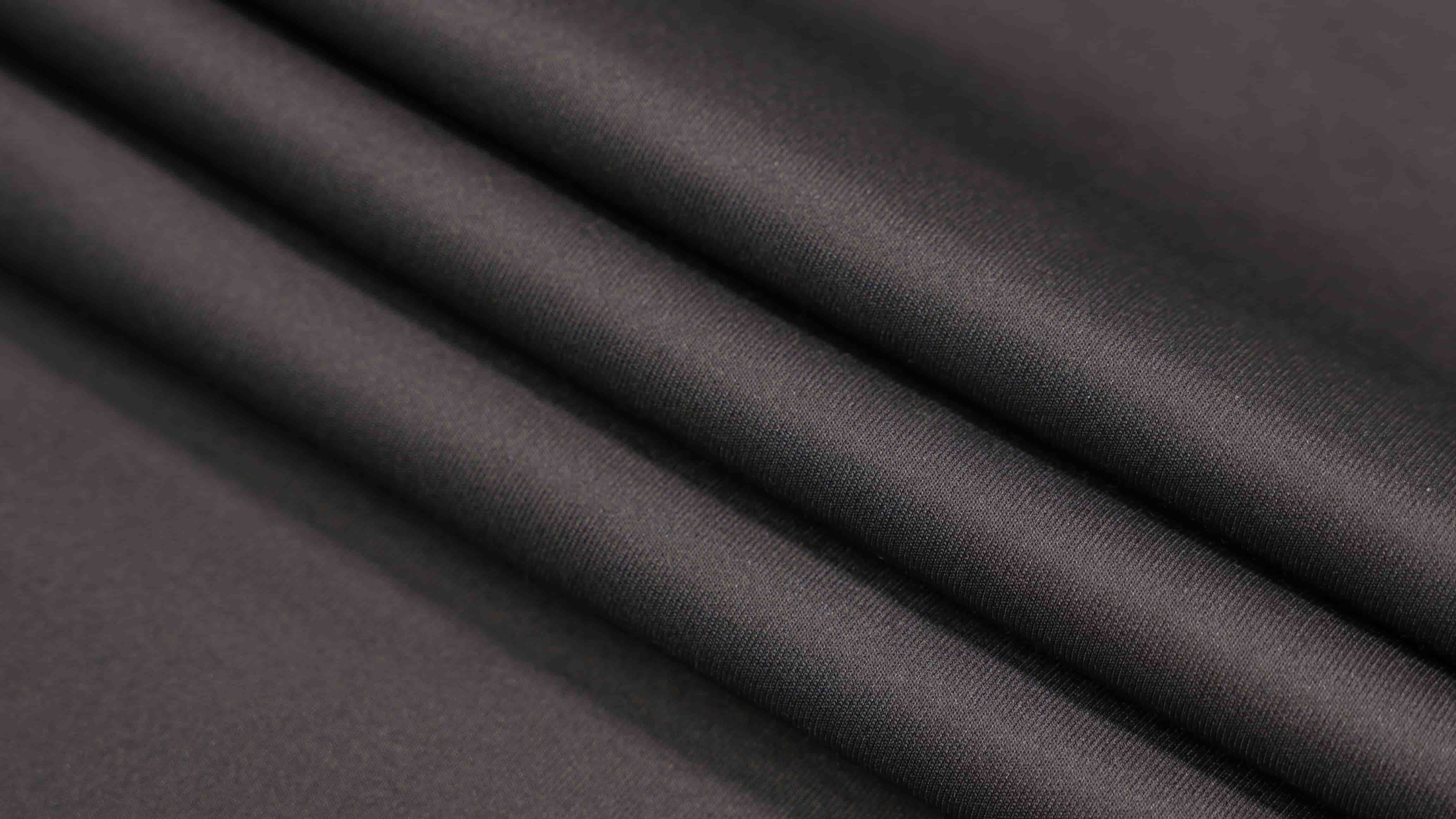
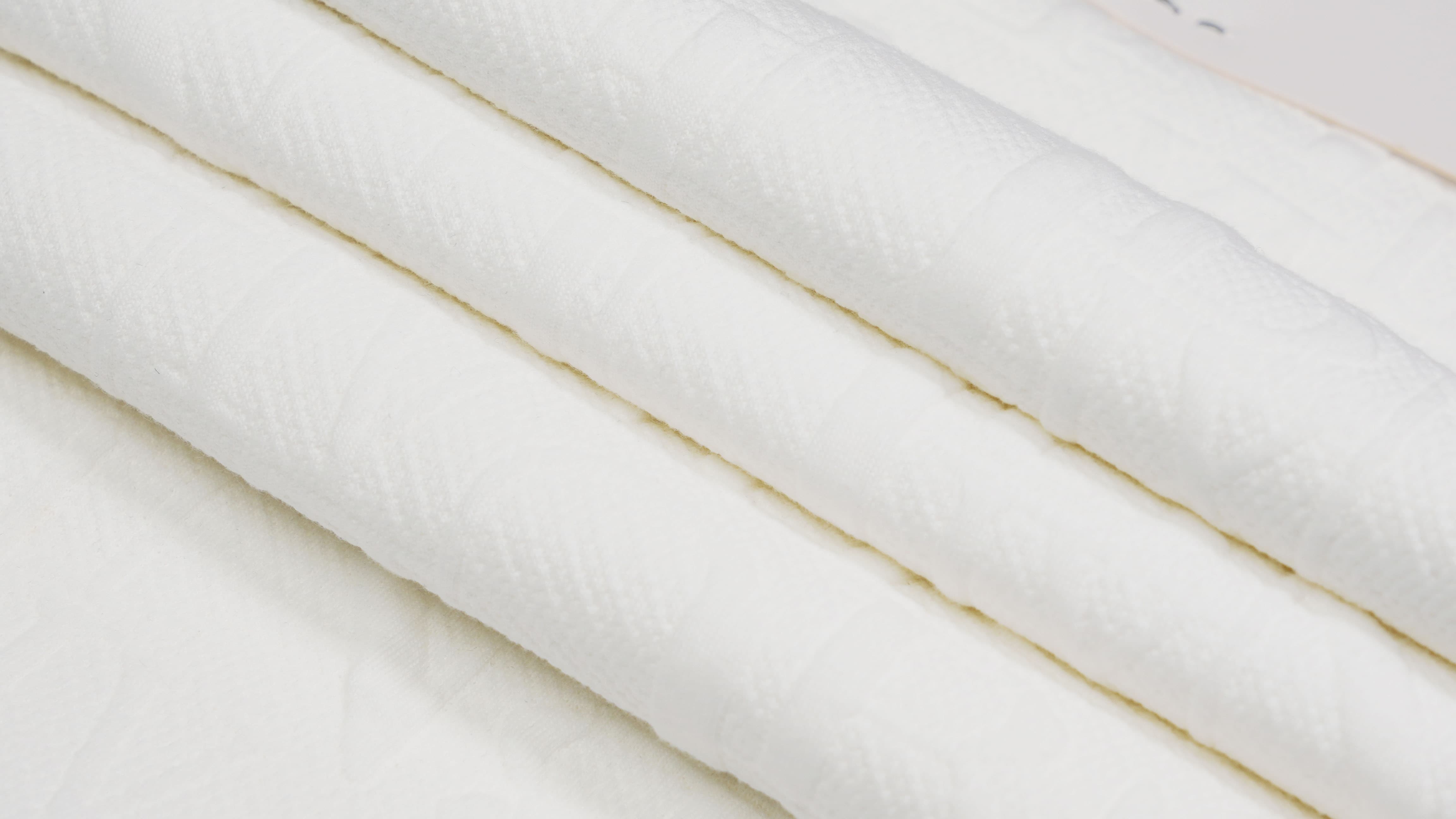
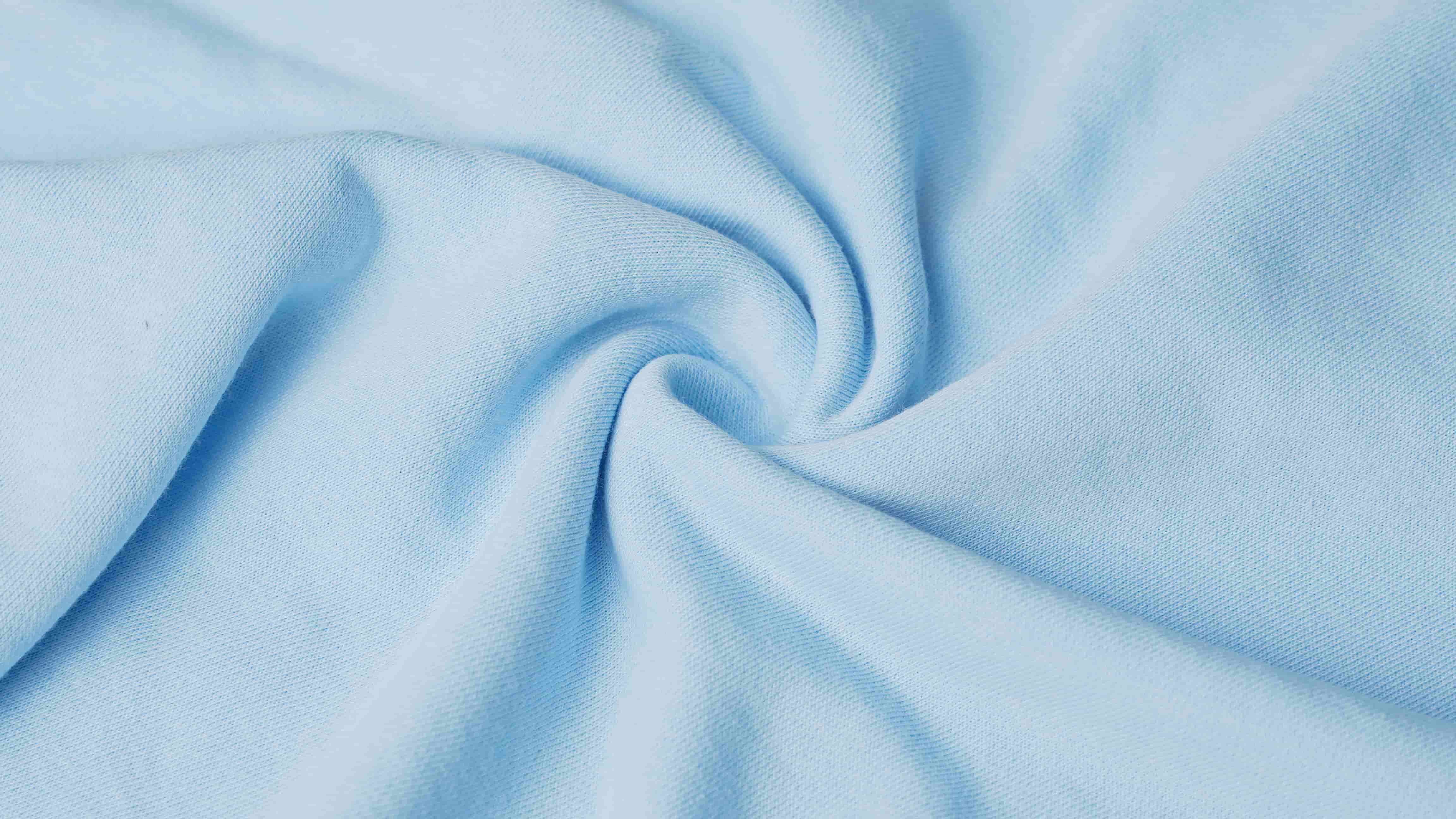
Blended knit fabric is commonly utilized in the apparel and textile industry as it possesses a combination of comfort, durability, elasticity, and cost efficiency.
According to Textile Fibers and Fabrics by Dr. Vincent Daniels, Handbook of Textile Fibers by J. Gordon Cook, and technical publications from The Textile Institute and Woodhead Publishing, blended fabric materials have multiple types of fibers that allow for a combination of properties that cannot be achieved by single-fiber materials alone.
Instead of being naturally seasonal, blended fabric that is knitted can be specifically designed for use in summer, winter, or all seasons based on the composition of fibers, the structure of the yarn, the design of the knits, and the finish of the fabric.
This article attempts to assess whether or not blended fabric is appropriate for the summer or the winter by studying the principles of material science, thermal behavior, moisture management, and real-world applications that are associated with the garments themselves. This provides an industry-oriented perspective that is in line with the current best practices and the leading content in the market.
Introduction: Why the Seasonality of Blended Knit Fabric Is Often Misunderstood?
The query ” Is blended knit fabric for the summer or the winter?” is simple, but it reflects a more complex understanding that is shared by both apparel consumers and design students. Many individuals believe that the seasonality of fabric is predetermined, similar to the way wool is associated with the winter season and linen with the summer season. In truth, blended fabric that is knitted together doesn’t belong to a single season by default.
From a fabric’s perspective, blended knit fabric is not considered a singular material type based on temperature or breathability alone. Instead, it’s a platform for design. By combining fibers like cotton, polyester, viscose, nylon, wool, acrylic, or elastane, manufacturers can precisely alter the thermal insulation, moisture transport, stretch, recovery, and surface feel.
This is why combined fabric types appear in lightweight summer T-shirts, mid-layer autumn pullovers, and heavy winter sweaters. To comprehend the seasonal viability, we must transcend the marketing categories and investigate the fiber behavior, structure, and functional performance.
What Is Blended Knit Fabric?
Blended knit fabric is composed of fabric that is produced from multiple types of yarn. These fibers can be mixed in various stages of production, including the fiber combination, the yarn combination, or the fabric combination.
Common combinations of knitted fabric include:
- Cotton/polyester
- Cotton/Elastane
- Polyester / Viscose
- Wool / Acrylic
- Nylon / Spandex
The knitted fabric itself, such as jersey, rib, interlacing, or fleece, possesses elasticity and softness, while the combination of fibers increases the consistency of performance and controls the cost.
Why Blending Matters in Knit Fabrics?
Single-fiber fabric that is knitted often has limitations on performance. Cotton’s breathability is great, but it will also stretch and lose its shape. Polyester fibers are resistant, but they can also trap heat and smells. The wool’s insulation is effective, but it may be heavy or itchy.
Blending enables manufacturers to produce products with a specific composition, including:
- Increased dimensional consistency
- Improved moisture management
- Controlled insulation with a temperature
- Increased resistance to abrading
- Less frequent pilling
From a seasonal perspective, this versatility is the exact reason why blended fabric that is composed of wool and polyester cannot be considered strictly summer or winter.
Key Factors That Determine Seasonal Suitability
- Fiber Composition
The percentage of fiber in a fabric that is blended is the sole factor that affects the seasonal performance. A fabricated blend that is rich in cotton differs significantly from a fabricated blend that is primarily composed of wool or polyester.
Natural fibers typically can regulate moisture and temperature, while synthetic fibers have the capacity to increase strength and longevity. The final behavior is contingent on the way these fibers interrelate within the knitted structure.
- Knit structure and density
The knit design determines the amount of air that is confined to the fabric. Lightweight single jersey knits facilitate the escape of heat, making them appropriate for warm climates. Dense interlock or flannel knits the air into a solid mass, which improves the insulation of cold conditions.
The same type of fiber has a different feel when combined in different structures.
- The type of yarn and method of rotation
Ring-spun, spherical, or air-jet spun fibers have an influence on softness, hairiness, and thermal behavior. Finer fibers result in lighter, more airy fabrics, while coarser fibers have the opposite effect.
- Fabric End
Ultimates like brushing, washing, enzymes, or moisture-wicking have a significant impact on seasonal enjoyment. Brushed fabric that is blended together is most commonly used for winter clothing, while finished fabric that is smooth is most commonly used for summer apparel.
Is Blended Knit Fabric Suitable for Summer?
Yes—fabric that is blended is commonly utilized in apparel that is intended for the summer; however, this is done incorrectly.
Summer-oriented mixed fabric typically has:
- High cotton or silk content
- Lightweight textile constructions
- Moisture-wicking or quick-dry properties
- The minimum thickness of fabric
Cotton/polyester blended fabric is particularly popular for use on summer T-shirts and polo shirts because it provides both breathability and shape retention.
Summer Performance Benefits:
Blended fabric that is knitted together performs well in the summer because it balances the flow of air and the evaporation of moisture. Synthetic fibers facilitate the removal of moisture from the skin, while natural fibers provide softness and relaxation.
In temperate and tropical climates that have high humidity, this combination typically has a superior performance compared to 100% cotton blends.
Is Blended Knit Fabric Suitable for Winter?
Blended knit fabric that is knitted is also common in winter and cold-weather clothing; this is especially prevalent in situations where insulation and longevity are needed.
Winter-oriented mixed fabric often includes the following:
- Wool, acrylic, or polyester combinations
- More complex patterns and more extensive unions
- Brushed or flocked surfaces
- Multiwall structures that are composed of multiple layers of fabric.
These fabrics are commonly utilized in sweaters, hoodies, thermal base layers, and middle layers of garments.
Winter Performance Benefits:
Blended fabric types for the winter season that effectively trap air while also maintaining stretchiness and resistance to wear. Synthetic fibers diminish the weight and take up less time to dry, while wool or acrylic provides insulation.
This causes fabric blended with a knit pattern to be ideal for layered systems.
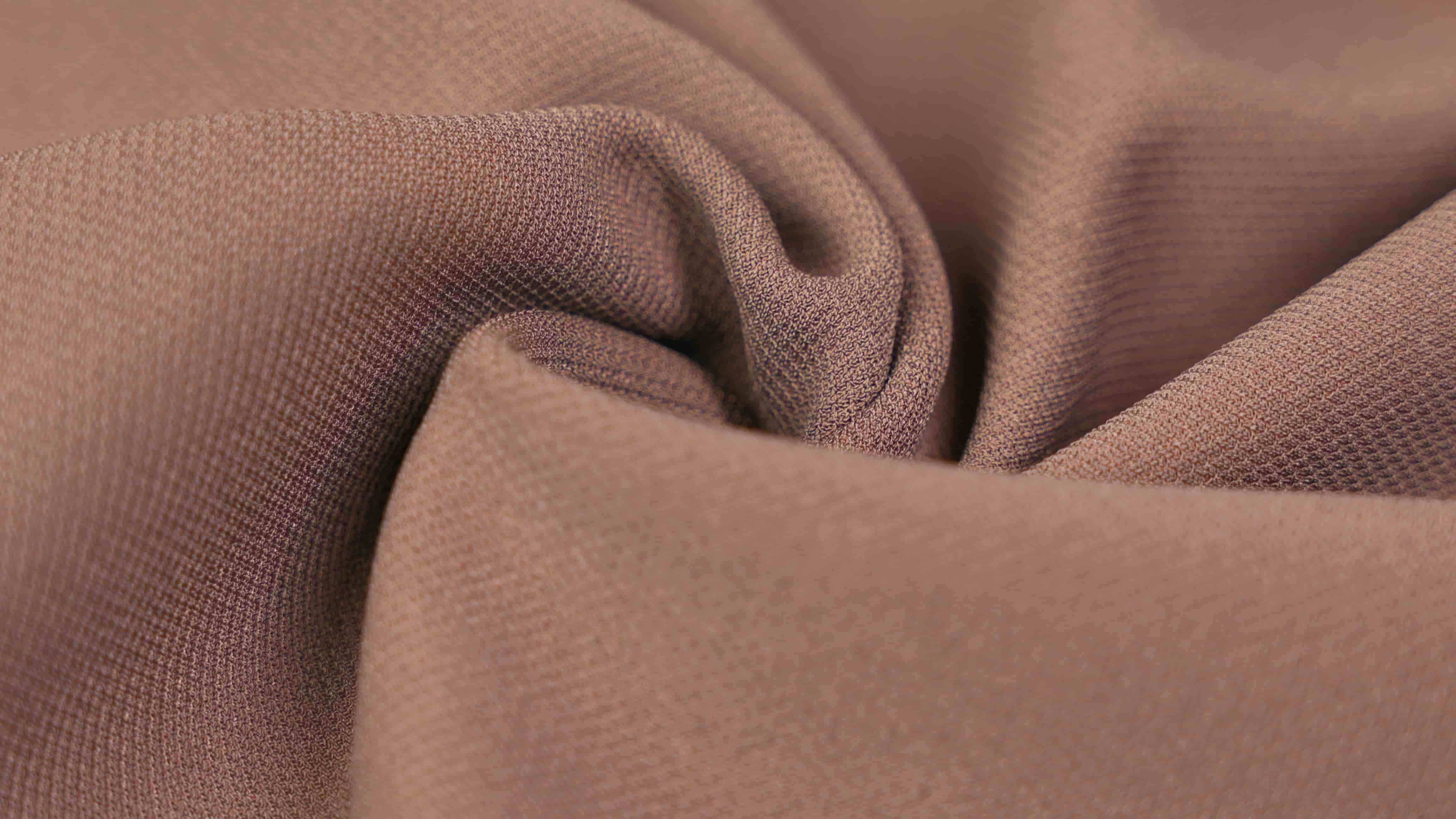
Comparison Table: Summer vs Winter Blended Knit Fabrics
| Feature | Summer Blended Knit Fabric | Winter Blended Knit Fabric |
| Fiber Ratio | Cotton / Viscose dominant | Wool / Acrylic / Polyester dominant |
| Knit Structure | Single jersey, lightweight rib | Interlock, fleece, heavy rib |
| Fabric Weight | Low GSM | Medium to high GSM |
| Breathability | High | Moderate |
| Thermal Insulation | Low to moderate | High |
| Typical Garments | T-shirts, polos, dresses | Sweaters, hoodies, thermal tops |
Blended Knit Fabric in All-Season Applications
Blended knit fabric that combines two or more fibers is said to have a balanced performance across different climates. Their versatility makes them an ideal candidate for all-season clothing and functional textiles.
- Temperature Regulation During Different Seasons
Fused-wound fabrics take advantage of the complementary properties of multiple fibers.
Natural fibers (cotton, wool) have the properties of breathability and moisture absorption.
Synthetic fibers (polyester, nylon) enhance thermal retention and quick drying.
This alliance promotes the continued comfort of garments in both hot and cold climates.
- Moisture Control and Airability
All-season performance is dependent on the efficient control of moisture:
Cotton and rayon increase the efficiency of sweat in warmer months.
Polyester and nylon facilitate the evaporation of moisture.
The outcome is a decrease in clamminess in the summer and an increase in comfort during winter layers.
- Stretch and Shape Preservation
Many blended fabrications include elastane or spandex, which offer:
Increased mobility for active behavior
Increased retention of the shape after multiple uses and washes.
This causes blended knits to be appropriate for everyday use, sportswear, and travel clothing that is available all calendar months.
- Robustness and Easy Maintenance
Synthetic fibers enhance the resistance of fabrics to:
Abrasion and pilling
Stretching and wrinkling
Blended fabric that is comprised of wool and other materials typically maintains its appearance and properties over time, even when it’s frequently washed.
- Weighing and fabric structure versatility
Combination knits are customizable in multiple ways:
Yarn’s quantity
Densities of stitches
Hand-drawn weights
Lightweight combinations are successful during the spring and summer, while heavier-weight combinations are successful during the fall and winter.
- Fashion and Aesthetic Variety
Blended fabric that combines both wool and plastic is well-suited to coloring.
Constant colorfastness
Smooth or textured surface feel, respectively.
This facilitates the design of seasonless clothing that easily transitions into other seasons.
- Common All-Season Utilizes
Blended fabric types are commonly employed in:
T-shirts and common tops
Cardigans and sweaters
Sports and activewear
Loungewear and essentials
Their versatility diminishes the necessity of seasonal wardrobe changes.
Common Misconceptions About Blended Knit Fabric
Today, blended fabric is commonly utilized in modern clothing and textiles; however, several misconceptions still have an effect on the purchasing of apparel and the selection of fabric. Understanding the details helps both buyers and designers in their decision-making.
Misconception 1: Composite Knit fabric is of lower quality.
Many people believe that blends are less superior than 100% natural fibers. In practice, blends are designed to enhance performance while also providing comfort, combining the natural fibers of cotton with the synthetic fibers of polyester and nylon. High-quality combinations of fibers often have a superior performance in daily wear.
Misconception 2: It’s Not Breathable To Combine Two Different Kits.
Breathability is influenced by the composition of fibers, the structure of yarns, and the construction of knits, not just the type of fiber. Blends that contain cotton, rayon, or wool can be highly ventilated; this is especially true of those intended for moisture control.
Misconception 3: Combined fabrics have a synthetic feel.
Modern textile technology allows combinations of materials to have a soft, natural feel. Effective yarn spinning and finishing processes can closely replicate the feel of pure cotton or wool while adding extra benefits to performance.
Misconception 04: It’s D Difficult to Take Care of a Blended Knit.
Many blended fabric types are actually more maintenance-free. They have a harder time resisting shrinking, wrinkling, and deformation than many natural fabrics are typically unable to do, which makes them ideal for regular cleaning and everyday use.
Misconception 5: It’s Not Good to Wear a Blended Fashion.
Blended fabric types are employed in a variety of different applications.
Running and activewear apparel
Business casual clothes
Sweaters, dresses, and formal wear.
Their versatility is far greater than simply casual clothing.
Misconception 6: It’s Not Good to Purchase Blends.
While some combinations are difficult to recycle, many modern combinations utilize:
Reused synthetic fibers
Responsible fiber sources
Lower-quality production methods
Sustainability is reliant on the procurement of resources, the manufacturing of products, and the longevity of fibers, not only their purity.
Misconception 7: All mixed knits are equal.
The performance is highly variable based on the following criteria:
Fiber composition
Crumpled structure
The method of completing the task
Not all combinations offer the same level of comfort, consistency, or stretch; material selection is critical.
FAQ: Blended Knit Fabric
Q1: Is a combined knitted fabric beneficial in the summer?
Yes, when combined with breathable fibers and lightweight fabric, blended fabric has a great performance in the summer.
Q2: Is the fabric blended with a patterned design warm enough for the winter?
Blended fabric that is composed of insulating fibers and dense fibers can be very hot.
Q3: What mixture is most beneficial for hot weather?
Cotton/polyester or viscose/polyester combinations with lightweight jersey fabric are commonly employed in hot climates.
Q4: Does fabric that is blended have breathing capabilities?
Breathability is influenced by the fiber composition and the number of times it is knitted, not alone by blending.
Q5: Is fabric that is blended more effective than pure cotton?
In many instances, blended fabric that is composed of cotton and polyester has a higher durability, better shape retention, and superior moisture management than pure cotton.
Conclusion
So, is it a winter or summer type of fabric that is blended? The response is both of these things, neither of them alone. Blended fabric is a versatile textile solution that is seasonable based on the composition of fibers, the structure of knits, the properties of yarns, and the method of finishing. For consumers, manufacturers, and designers, understanding these factors is far more important than simply relying on simple seasonal labels. When engineered with care, blended fabric that is knitted together delivers a consistent performance across all seasons. This material is one of the most versatile in modern apparel production.
